

Operation Process and Working Principle of Silica Sand Material Pneumatic Conveying Line
HeadPowder, a leading engineering company based in Shandong, China, specializes in the design, manufacturing, and installation of advanced pneumatic conveying systems for various industrial applications. This article provides a detailed overview of the operation process and working principle of a silica sand material pneumatic conveying line, highlighting the key components, operational workflow, and technical aspects that ensure efficient material handling.
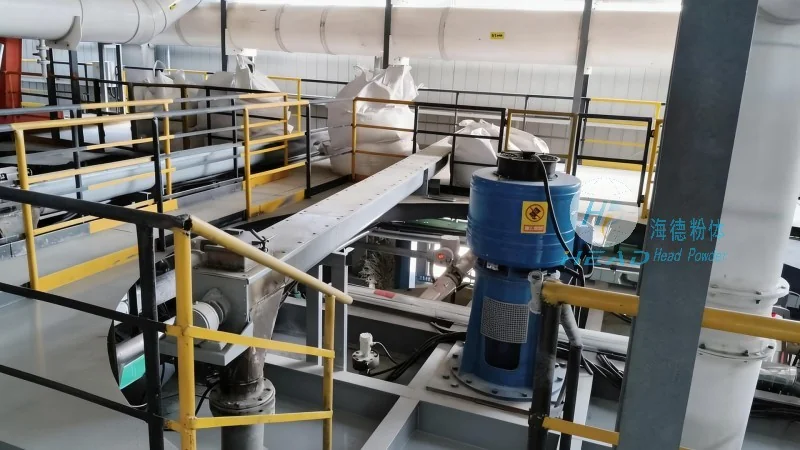
Key Components of a Silica Sand Pneumatic Conveying System
The silica sand pneumatic conveying line typically consists of several critical components that work in tandem to transport the material from the source to the destination. These components include the material hopper, feeder, air compressor, conveying pipeline, control system, and discharge equipment. Each component plays a vital role in the overall system performance and reliability.
The material hopper is designed to store the silica sand, providing a consistent feed to the feeder. The feeder, often a rotary valve or a screw feeder, regulates the flow rate of the sand into the conveying line, ensuring a steady and controlled supply. The air compressor generates the necessary air pressure to create the airflow that propels the sand particles through the pipeline. The conveying pipeline, usually made of stainless steel or other corrosion-resistant materials, is designed to withstand the pressure and abrasive nature of the silica sand. The control system monitors and adjusts the air pressure, flow rate, and other parameters to maintain optimal operation. Finally, the discharge equipment, such as a rotary valve or a dust collector, collects the sand at the end of the pipeline, preventing dust emissions and ensuring a clean discharge.
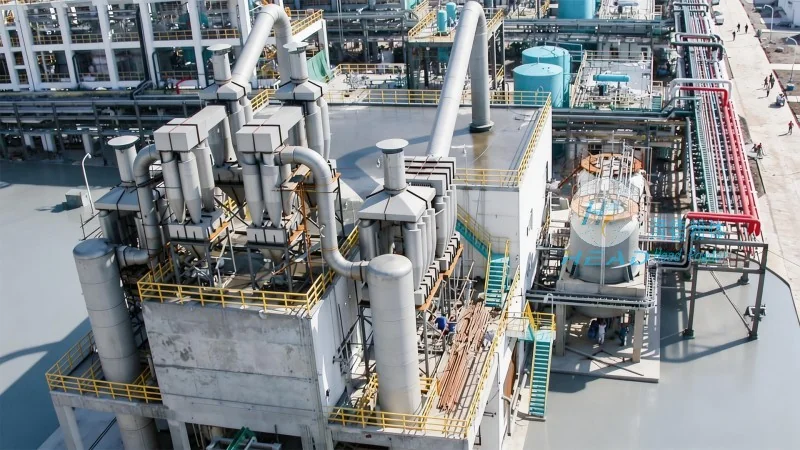
Working Principle of the Pneumatic Conveying Process
The working principle of the silica sand pneumatic conveying line is based on the use of compressed air to transport the material. When the feeder releases the silica sand into the pipeline, the air compressor supplies high-pressure air that mixes with the sand particles, creating a slurry-like mixture. This mixture is then propelled through the pipeline by the airflow, moving the sand from the source to the destination. The velocity of the air and the size of the sand particles determine the conveying efficiency and the system's capacity. The system operates under either positive pressure (where the air pressure is higher than the ambient pressure) or negative pressure (where the air pressure is lower than the ambient pressure), depending on the specific application and layout.
In positive pressure systems, the air compressor pushes the air and sand mixture through the pipeline, ensuring that the material is transported efficiently without any backflow. In negative pressure systems, the air is drawn through the pipeline by a vacuum fan, creating a suction effect that pulls the sand particles into the pipeline. Both systems have their advantages and are chosen based on factors such as the distance to be covered, the material characteristics, and the environmental requirements.
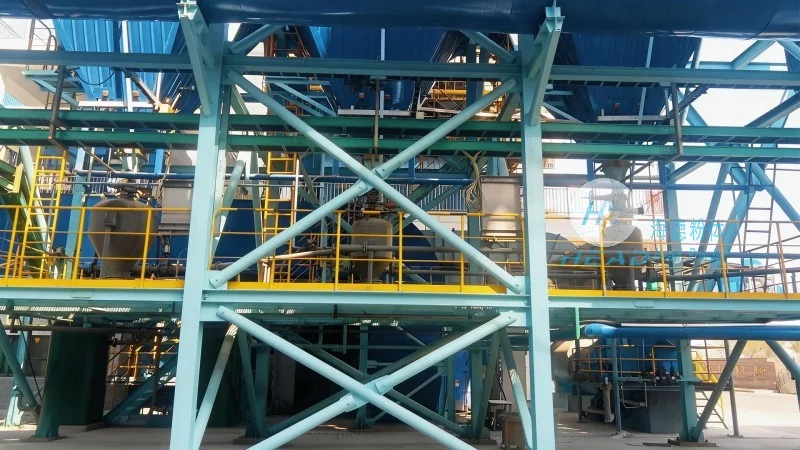
Operation Process of the Silica Sand Pneumatic Conveying Line
The operation process of the silica sand pneumatic conveying line involves several sequential steps that ensure smooth and continuous material handling. The process begins with the loading of silica sand into the material hopper. The feeder then regulates the flow rate of the sand, releasing it into the pipeline at a controlled rate. The air compressor starts, generating the required air pressure to create the airflow. The sand particles are then mixed with the air and propelled through the pipeline to the discharge point. At the discharge end, the sand is collected by the discharge equipment, and the air is filtered and recycled back to the compressor. The control system continuously monitors the pressure, flow rate, and other parameters, making adjustments as needed to maintain optimal performance. The entire process is automated, with minimal human intervention required, ensuring high efficiency and reliability.
Advantages and Applications of Silica Sand Pneumatic Conveying Lines
Silica sand pneumatic conveying lines offer several advantages over traditional material handling methods, such as belt conveyors or bucket elevators. These advantages include high efficiency, low maintenance costs, and the ability to transport materials over long distances without the need for multiple transfer points. The system is also flexible, allowing for easy integration with existing production lines and the ability to handle varying material loads. Additionally, the system is enclosed, preventing dust emissions and ensuring a clean working environment.
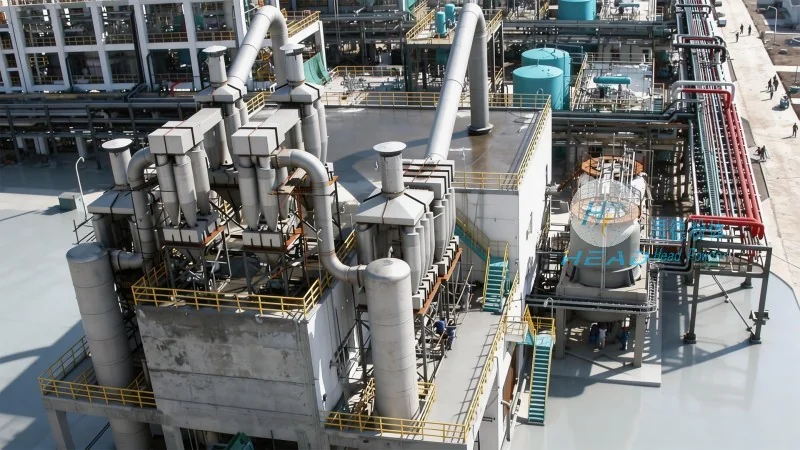
HeadPowder's silica sand pneumatic conveying lines are widely used in various industries, including foundries, glass manufacturing, and construction materials production. In foundries, the system is used to transport silica sand for mold making, while in glass manufacturing, it is used to transport raw materials to the melting furnaces. The construction materials industry also utilizes these systems to transport silica sand for concrete production and other applications.
Conclusion
HeadPowder Engineering Co., Ltd., based in Shandong, China, provides high-quality silica sand material pneumatic conveying lines that are designed to meet the specific needs of various industrial applications. The operation process and working principle of these systems ensure efficient and reliable material handling, with key components working in tandem to achieve optimal performance. By understanding the components, working principles, and operation process, industries can benefit from the advantages of pneumatic conveying systems, improving their production efficiency and reducing operational costs.