

Operation Process and Working Principle of a Calcium Powder Material Pneumatic Conveying Line
Shandong HeadPowder Engineering Co., Ltd., located in Shandong, China, specializes in the design, manufacturing, and implementation of advanced pneumatic conveying systems tailored for calcium powder handling. These systems are engineered to efficiently transport calcium powder from storage silos or processing units to various destinations, such as packaging lines or blending facilities, while maintaining product integrity and operational efficiency.
Working Principle of the Pneumatic Conveying Line
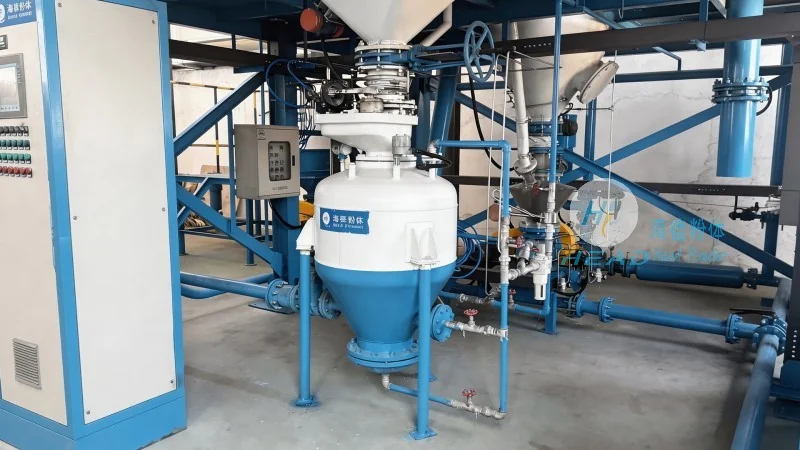
The core of the calcium powder pneumatic conveying line operates on the principle of air movement to transport bulk material. The system typically consists of a blower or air compressor that generates a high-pressure airflow. This airflow is directed through a pipeline network that includes the material feed point, where calcium powder is introduced into the system. As the powder enters the pipeline, it is entrained by the air stream, forming a slurry-like mixture known as a "pneumatic stream." The combination of air velocity and powder characteristics ensures that the material is carried through the entire conveying path without clogging or degradation.
Operation Process of the Pneumatic Conveying Line
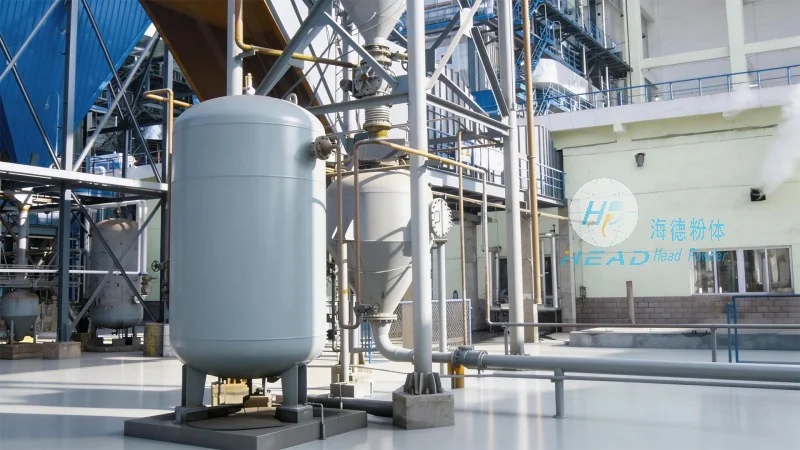
The operation of the calcium powder pneumatic conveying line involves several key steps that ensure smooth and continuous material transport. First, the system is initiated by starting the air compressor, which builds up the necessary pressure to create the conveying airflow. Simultaneously, the material feed mechanism, such as a rotary valve or screw feeder, begins to introduce calcium powder into the pipeline at a controlled rate. The powder is then drawn into the air stream, where it is carried through the main conveying line to the discharge point. At the destination, the powder is separated from the air using a cyclone separator or other filtration equipment, allowing the calcium powder to be collected in a hopper or storage bin. The air, now free of powder particles, is either vented to the atmosphere or recirculated back to the compressor, depending on the system design. This cycle repeats continuously, providing a reliable and efficient method for handling calcium powder in industrial settings.
Key Components and Their Roles
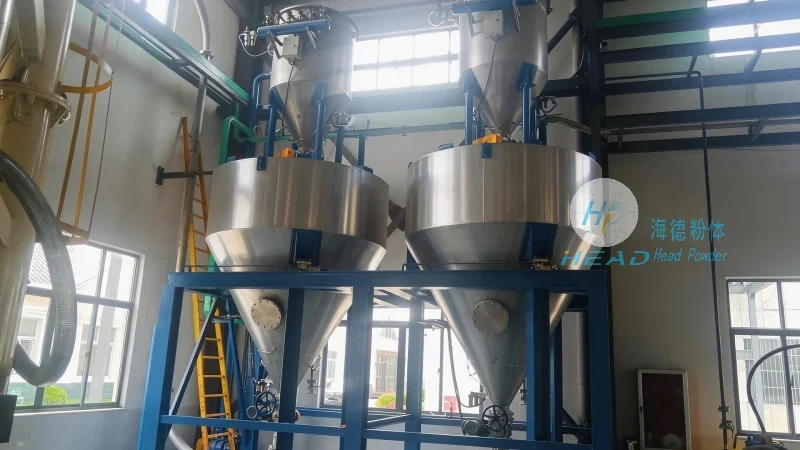
The pneumatic conveying line for calcium powder consists of several critical components that work in tandem to ensure optimal performance. The primary components include the air compressor or blower, which provides the necessary pressure and airflow to transport the material. The material feed system, such as a rotary valve or screw feeder, controls the rate at which calcium powder is introduced into the pipeline, preventing overloading and maintaining consistent flow. The conveying pipeline, typically made of stainless steel or other corrosion-resistant materials, is designed to withstand the abrasive nature of calcium powder and the high-pressure air. At the discharge end, a cyclone separator or baghouse filter is used to separate the powder from the air, ensuring that the powder is collected efficiently and the air is cleaned before release. Additionally, the system may include pressure relief valves and flow meters to monitor and regulate the pressure and flow rates, enhancing safety and operational control.
Benefits of Using a Pneumatic Conveying Line for Calcium Powder
Implementing a pneumatic conveying line for calcium powder offers several advantages over traditional methods like bucket elevators or belt conveyors. First, the system eliminates the need for mechanical contact with the material, reducing the risk of contamination and product degradation. The enclosed pipeline design also minimizes dust emissions, improving workplace safety and compliance with environmental regulations. Furthermore, pneumatic conveying systems can handle a wide range of powder characteristics, including fine or cohesive calcium powders, without clogging or blockages. The ability to control the airflow and feed rate allows for precise material handling, which is crucial in applications where consistency and quality are paramount. Finally, the automated operation of the system reduces labor costs and increases overall productivity, making it a cost-effective solution for industrial calcium powder processing.
Conclusion
Shandong HeadPowder Engineering Co., Ltd. provides comprehensive solutions for calcium powder pneumatic conveying lines, combining advanced engineering with reliable components to deliver efficient and reliable material transport. By understanding the working principle and operation process of these systems, industries can optimize their calcium powder handling processes, enhance product quality, and improve operational efficiency. The company's expertise in designing and implementing such systems ensures that clients receive tailored solutions that meet their specific requirements, supporting their long-term success in the calcium powder industry.