

Operation Process and Working Principle of Alumina Ash Material Pneumatic Conveying Line
Alumina ash material pneumatic conveying lines are critical components in industrial processes, particularly in the aluminum industry where efficient material handling is essential for maintaining production efficiency and safety. This article provides a detailed overview of the operation process and working principle of such systems, highlighting the key components, operational steps, and the role of advanced engineering solutions from Shandong HeadPowder Engineering Co., Ltd., a leading provider in the field.
Overview of Pneumatic Conveying Systems for Alumina Ash
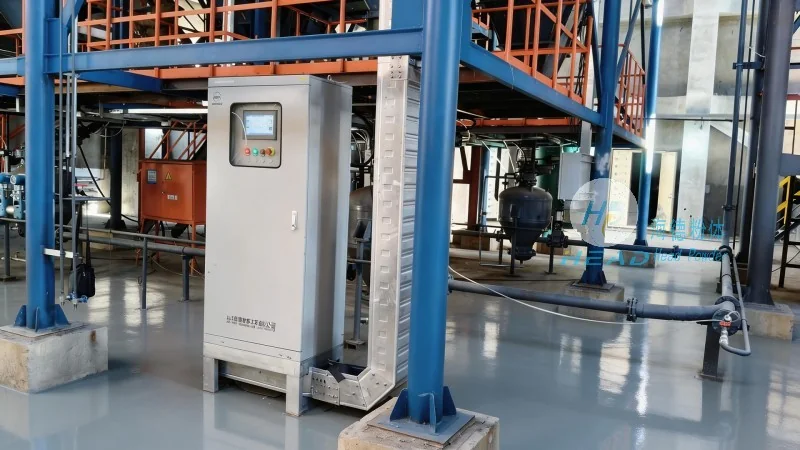
Pneumatic conveying systems utilize air or other gases to transport bulk materials like alumina ash from one location to another. These systems are widely preferred over traditional mechanical conveying methods due to their ability to handle dusty or abrasive materials without the need for moving parts that could wear out or cause contamination. The core of a pneumatic conveying line consists of several key components, including a material feeder, a conveying pipeline, a pressure vessel or receiver, and a control system. Each component plays a vital role in ensuring the smooth and efficient transport of alumina ash, which is characterized by its fine particle size and potential for dust generation.
Key Components of the Alumina Ash Pneumatic Conveying Line
The operation of an alumina ash pneumatic conveying line begins with the material feeder, which is responsible for feeding the alumina ash into the conveying system at a controlled rate. This component is crucial for maintaining a consistent flow rate, preventing blockages, and ensuring that the material is introduced into the pipeline without causing excessive pressure drops. The feeder may be a rotary valve, a screw feeder, or a vibrating feeder, depending on the specific requirements of the application. For alumina ash, which is often fine and powdery, a rotary valve or a screw feeder is commonly used to provide a steady and controlled feed.
Next, the conveying pipeline is the main channel through which the alumina ash is transported. These pipelines are typically made of materials such as stainless steel or plastic, chosen for their resistance to corrosion and abrasion from the alumina ash particles. The pipeline design includes bends, elbows, and straight sections, which are carefully engineered to minimize pressure losses and prevent material deposition or blockages. The diameter of the pipeline is selected based on the material's flow characteristics and the required conveying capacity, ensuring that the system operates at optimal efficiency.
The pressure vessel or receiver is another critical component, designed to store the conveyed alumina ash and maintain the system's pressure. This vessel is equipped with a discharge valve or outlet, which allows the material to be released into the next processing stage or storage area. The receiver also includes a dust collection system, such as a cyclone or a bag filter, to capture any fine particles that may escape during the conveying process, ensuring compliance with environmental regulations and maintaining a clean working environment.
Working Principle of the Pneumatic Conveying Process
The working principle of an alumina ash pneumatic conveying line is based on the use of compressed air to create a flow of material through the pipeline. The process typically involves the following steps: first, the compressed air is introduced into the pipeline at a high velocity, creating a pressure differential that pulls the alumina ash particles along with it. The material is then carried through the pipeline by the air stream, with the air acting as a carrier medium. The velocity of the air is carefully controlled to ensure that the particles are fully suspended and transported without settling or causing blockages.
During the conveying process, the air and material mixture passes through various components, including the feeder, pipeline, and receiver. The pressure in the system is maintained by a blower or compressor, which supplies the necessary air volume and pressure. The control system monitors the pressure, flow rate, and material level in the receiver, adjusting the air supply as needed to maintain optimal operation. This closed-loop control ensures that the system operates efficiently and safely, preventing overpressure or underflow conditions that could lead to system failures or material loss.
Operation Process of the Alumina Ash Pneumatic Conveying Line
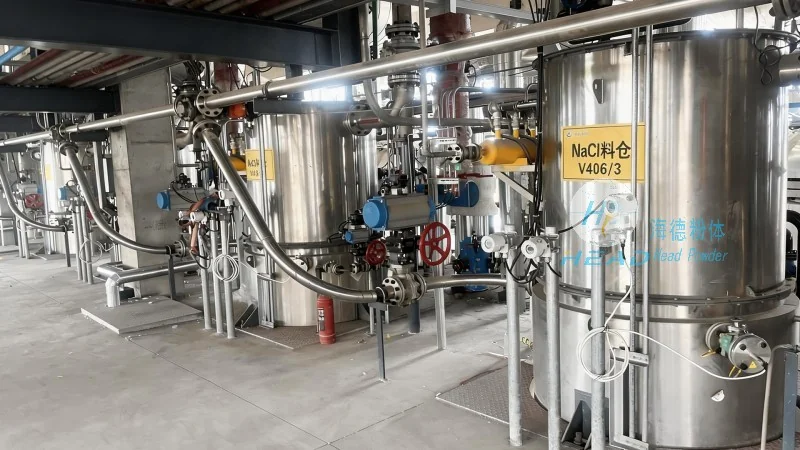
The operation process of an alumina ash pneumatic conveying line involves several sequential steps, each of which is critical to the overall efficiency and reliability of the system. The process begins with the preparation of the alumina ash material, which may include drying or screening to remove moisture or oversized particles that could affect the conveying performance. Once the material is prepared, it is fed into the system at a controlled rate using the material feeder.
Next, the compressed air is activated, and the conveying process starts as the air and material mixture moves through the pipeline. The system's control panel monitors the pressure and flow rate, ensuring that the material is transported to the receiver without any issues. The receiver fills with the conveyed alumina ash, and the pressure inside the vessel increases as the material accumulates. Once the receiver reaches a predetermined level, the discharge valve is activated, and the material is released into the next processing stage or storage area.
After the material is discharged, the system may undergo a cleaning cycle to remove any residual particles from the pipeline and receiver. This is typically done by reversing the air flow or using a purge air system to clear the lines and prevent material buildup. The cleaning process is an important part of maintaining the system's performance and ensuring that it operates efficiently over the long term.
Advantages of Using Pneumatic Conveying for Alumina Ash
There are several advantages to using pneumatic conveying systems for alumina ash material handling. One of the primary benefits is the ability to transport the material over long distances without the need for intermediate transfer points or elevators. This reduces the overall footprint of the system and minimizes the risk of material spillage or contamination. Additionally, pneumatic conveying systems are highly flexible, allowing for changes in the conveying route or capacity without major modifications to the equipment.
Another advantage is the reduced risk of material degradation or contamination compared to mechanical conveying methods. Since the material is not in contact with moving parts, there is less chance of abrasion or contamination from lubricants or other substances. This is particularly important for alumina ash, which is often used in high-purity applications and requires strict quality control. The closed system design also helps to maintain the material's integrity and prevent dust emissions, contributing to a safer working environment.
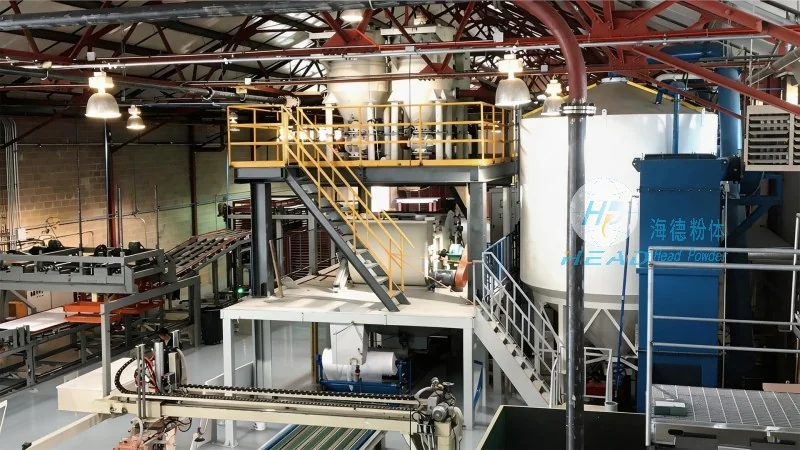
Furthermore, pneumatic conveying systems are energy-efficient and can be optimized for different material characteristics. The air velocity and pressure can be adjusted to match the specific properties of the alumina ash, ensuring that the system operates at the lowest possible energy consumption. This makes the system cost-effective and environmentally friendly, aligning with the sustainability goals of modern industrial operations.
Role of Shandong HeadPowder Engineering Co., Ltd. in Pneumatic Conveying Solutions
Shandong HeadPowder Engineering Co., Ltd., commonly known as HeadPowder, is a leading provider of advanced pneumatic conveying solutions for various industrial applications, including the aluminum industry. The company specializes in designing, manufacturing, and installing custom pneumatic conveying systems tailored to the specific needs of its clients. With years of experience in the field, HeadPowder has developed a deep understanding of the challenges associated with handling alumina ash and other fine materials, and has developed innovative solutions to address these challenges.
HeadPowder's team of engineers and technicians work closely with clients to understand their operational requirements and material characteristics, ensuring that the designed system meets all performance and safety standards. The company uses advanced simulation and modeling tools to optimize the system design, reducing the risk of operational issues and ensuring long-term reliability. HeadPowder also provides comprehensive after-sales support, including maintenance, repair, and technical assistance, to ensure that the systems operate at peak performance throughout their service life.
By leveraging its expertise and advanced technology, HeadPowder has become a trusted partner for many aluminum manufacturers, helping them to improve their material handling efficiency, reduce operational costs, and enhance overall productivity. The company's commitment to quality and customer satisfaction has earned it a reputation as a leading provider of pneumatic conveying solutions in the industry.
Conclusion
In conclusion, alumina ash material pneumatic conveying lines are sophisticated systems that play a vital role in the efficient and safe handling of alumina ash in industrial processes. The operation process involves several key components and steps, each of which is designed to ensure the smooth transport of the material. The working principle is based on the use of compressed air to create a flow of material through the pipeline, with careful control of pressure and flow rate to maintain optimal performance. The advantages of using pneumatic conveying systems include long-distance transport, reduced contamination risk, and energy efficiency, making them an ideal choice for handling alumina ash.
Shandong HeadPowder Engineering Co., Ltd. plays a crucial role in providing advanced pneumatic conveying solutions tailored to the specific needs of the aluminum industry. With its expertise and commitment to quality, HeadPowder helps clients to improve their material handling efficiency and enhance overall productivity. As the industry continues to evolve, the importance of efficient material handling systems like pneumatic conveying lines will only increase, and companies like HeadPowder will remain at the forefront of providing innovative solutions to meet these challenges.