

Operation Process and Working Principle of Small Bean Material Pneumatic Conveying Line
For industries dealing with small bean materials, efficient and reliable material handling is crucial. The pneumatic conveying line designed by Shandong HeadPowder Engineering Co., Ltd. offers a sophisticated solution that ensures seamless operation and optimal performance. This article delves into the operation process and working principle of this specialized equipment, highlighting its key features and benefits.
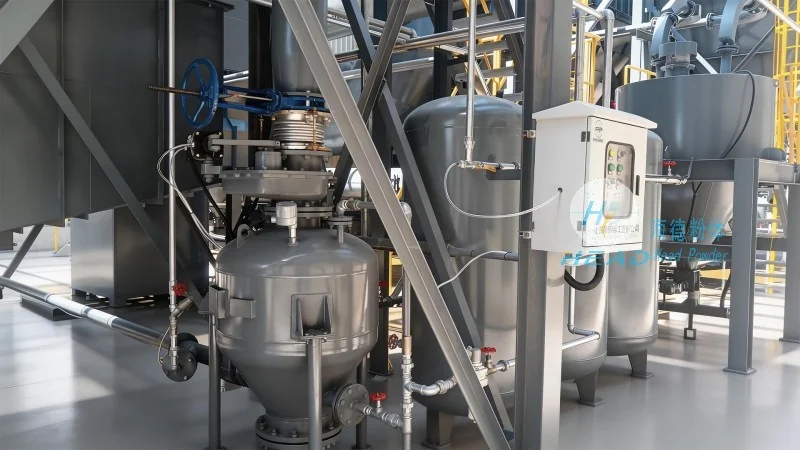
Company Overview: HeadPowder
HeadPowder, or Shandong HeadPowder Engineering Co., Ltd., is a leading manufacturer in the field of material handling systems. With a strong presence in China, particularly in Shandong province, the company specializes in developing advanced pneumatic conveying solutions tailored to various industrial needs. Their expertise in engineering and manufacturing ensures that each product meets high standards of quality and durability.
Components of the Pneumatic Conveying System
The small bean material pneumatic conveying line consists of several essential components that work in tandem to achieve efficient material transport. These include the hopper for material storage, the air compressor to generate the necessary air pressure, the conveying pipeline that transports the material, and the control system that regulates the operation. Each component plays a vital role in maintaining the system's efficiency and safety.
Working Principle of the Pneumatic Conveying Line
The core of the system operates on the principle of pneumatic transport, where material is carried by a stream of air. The process begins with the material being fed into the hopper. As the air compressor generates high-pressure air, it is introduced into the conveying pipeline. The air flow then lifts and transports the small bean material through the pipeline to the discharge point. The control system monitors the pressure and flow rates, ensuring that the material is conveyed smoothly without blockages or excessive pressure drops.
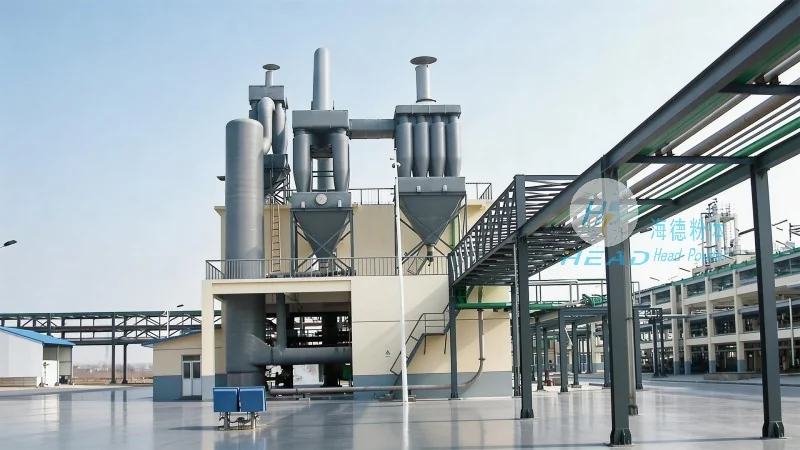
Operation Process: Step-by-Step Guide
The operation of the small bean material pneumatic conveying line follows a systematic process that ensures consistent performance. First, the hopper is filled with the small bean material. The air compressor is then activated to start the air flow. The material is gradually introduced into the pipeline as the air pressure builds up. The conveying system then transports the material to the desired location, such as a storage silo or processing unit. The control system continuously adjusts the air pressure and flow rate to maintain optimal conditions. Finally, the material is discharged at the end of the pipeline, completing the cycle.
Advantages of Using Pneumatic Conveying for Small Bean Materials
Implementing a pneumatic conveying line for small bean materials offers numerous advantages over traditional methods like belt conveyors or manual handling. These include reduced labor costs, improved safety by minimizing human contact with the material, and enhanced hygiene standards. The system also allows for better control over material flow, preventing contamination and ensuring consistent quality. Additionally, the compact design of the pneumatic conveying line saves space in industrial facilities, making it ideal for applications with limited floor area.
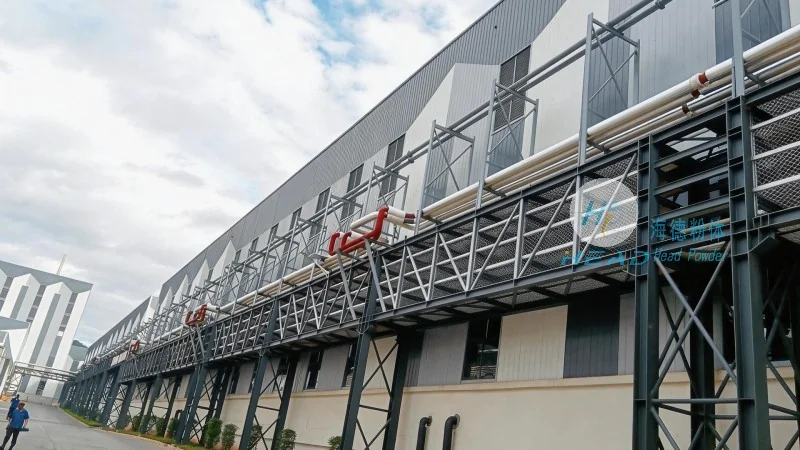
Applications and Industries
The small bean material pneumatic conveying line is widely used in various industries that handle small, dry materials. These include food processing, pharmaceuticals, chemical manufacturing, and agricultural processing. In the food industry, for example, the system is used to transport beans for processing into various food products, ensuring that the material remains clean and free from contamination. In pharmaceutical applications, the system helps maintain the purity of the material, which is critical for product quality and safety.
Maintenance and Troubleshooting
To ensure the long-term reliability of the pneumatic conveying line, regular maintenance is essential. This includes checking the air compressor for proper operation, inspecting the conveying pipeline for blockages or leaks, and cleaning the hopper and other components regularly. Common issues that may arise include air leaks, material buildup in the pipeline, or pressure fluctuations. By addressing these issues promptly, the system can continue to operate efficiently and avoid downtime.
Conclusion
Shandong HeadPowder Engineering Co., Ltd.'s small bean material pneumatic conveying line is a highly effective solution for industries seeking efficient material handling. By understanding the operation process and working principle of this equipment, users can maximize its benefits and ensure optimal performance. With its advanced design and reliable components, the system provides a cost-effective and sustainable approach to material transport, contributing to improved productivity and operational efficiency in various industrial applications.