

Sawdust Pellet Technical Parameters and Conveying System Process
HeadPowder, a leading enterprise in the field of sawdust pellet technology, specializes in providing comprehensive solutions for sawdust pellet production and conveying systems. With a strong presence in Shandong, China, the company has established itself as a key player in the industry, delivering high-quality equipment and technical expertise tailored to the specific needs of its clients.
Technical Parameters of Sawdust Pellets
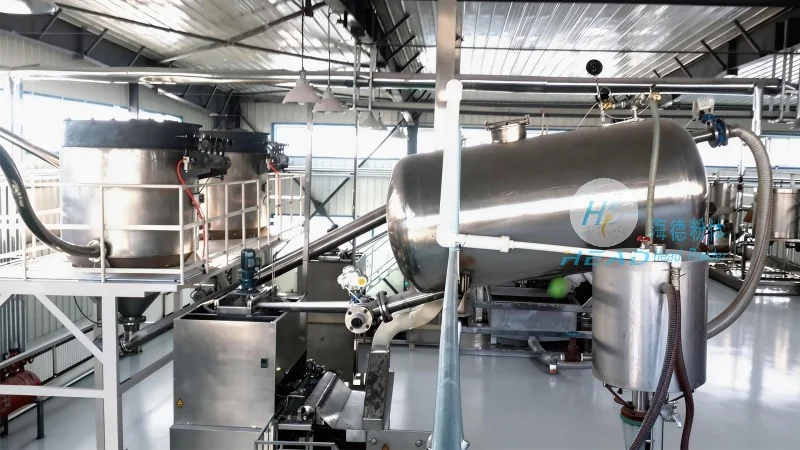
The technical parameters of sawdust pellets are crucial for ensuring optimal performance and efficiency in downstream processing applications. Key parameters include pellet size, moisture content, bulk density, and compressive strength. At HeadPowder, our production processes are meticulously designed to meet stringent industry standards, resulting in pellets that exhibit consistent size distribution and stable physical properties. For instance, our standard product line offers pellets with a diameter ranging from 3 to 8 mm, with a moisture content typically maintained below 10% to prevent caking and ensure easy handling. The bulk density of the pellets, which is critical for storage and transportation, is optimized to around 400-600 kg/m³, depending on the raw material composition and processing conditions. Additionally, the compressive strength of the pellets, measured under standard testing conditions, is designed to exceed 10 N/mm², ensuring durability during handling and conveying operations. These parameters are continuously monitored and adjusted through advanced quality control systems, guaranteeing that every batch of pellets meets the required specifications.
Conveying System Process Overview
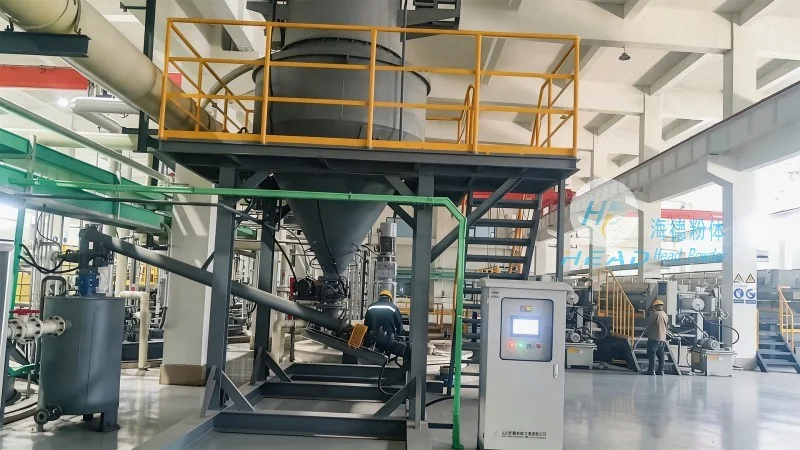
The conveying system for sawdust pellets is a critical component of the overall production line, responsible for transporting the pellets from the pelletizing unit to storage silos or packaging facilities. At HeadPowder, we employ a combination of pneumatic and mechanical conveying technologies to achieve efficient and reliable material transport. The process typically begins with the discharge of pellets from the pelletizer, where they are collected in a hopper. From there, the pellets are transferred to a rotary airlock valve, which regulates the flow rate and prevents backflow. The primary conveying method used is a positive pressure pneumatic system, where compressed air is used to move the pellets through a network of pipelines. The system includes a series of airlocks, cyclones, and filters to ensure that the pellets are conveyed without degradation and that the air is cleaned of dust particles. The conveying velocity is carefully controlled to maintain the integrity of the pellets, with typical velocities ranging from 10 to 20 m/s. The system also incorporates a level control mechanism in the storage silo to prevent overfilling and ensure consistent pressure. This integrated approach to conveying not only enhances operational efficiency but also minimizes material loss and energy consumption, making it an ideal solution for large-scale sawdust pellet production.
Key Components and Their Functions
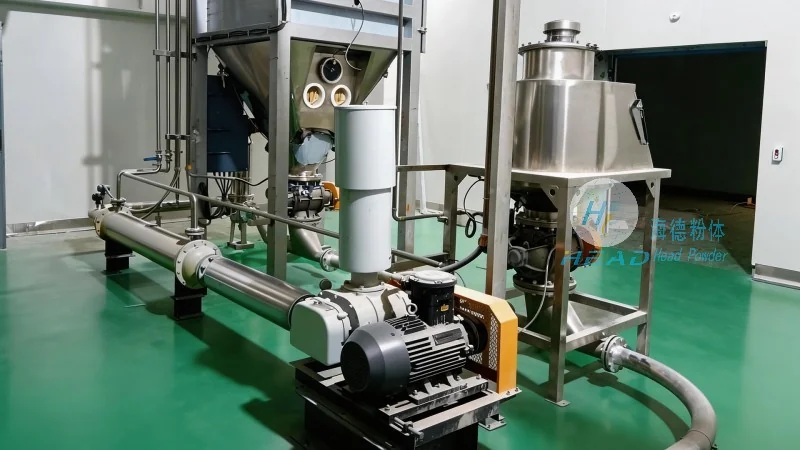
The conveying system consists of several key components, each playing a vital role in the overall operation. The first component is the rotary airlock valve, which acts as a gate between the pelletizer and the conveying pipeline, preventing the backflow of air and ensuring a smooth transition of material. The airlock is typically made of stainless steel to withstand the abrasive nature of the pellets and to maintain hygiene standards. The second component is the cyclone separator, which is used to separate the pellets from the air stream. The cyclone works on the principle of centrifugal force, where the heavier pellets are forced to the wall of the cyclone and fall into a collection bin, while the air is discharged from the top. The third component is the filter, which removes any fine dust particles from the air before it is released into the environment. The filter is usually a bag filter or a cartridge filter, depending on the dust load and the required filtration efficiency. The fourth component is the storage silo, which is used to store the conveyed pellets before they are packaged or shipped. The silo is typically made of steel and equipped with a level indicator and a pressure relief valve to ensure safe operation. Each component is designed and manufactured to meet the specific requirements of the sawdust pellet industry, ensuring durability, reliability, and ease of maintenance.
Quality Assurance and Maintenance
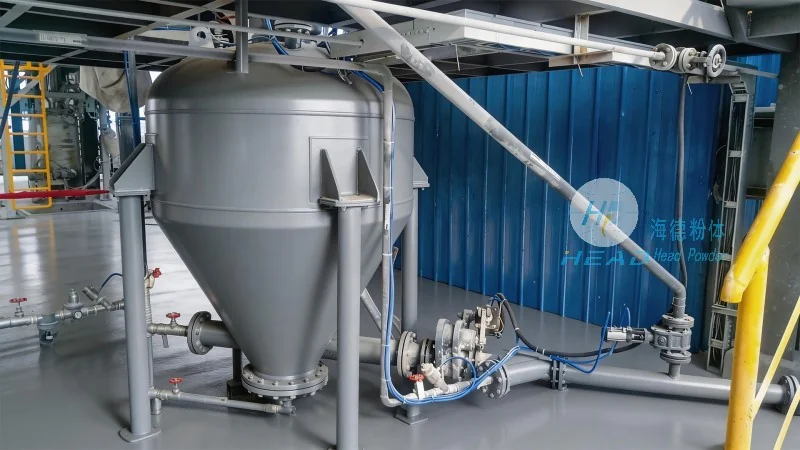
At HeadPowder, we place a strong emphasis on quality assurance and regular maintenance of our conveying systems. Quality control measures include regular testing of pellet properties, such as size distribution, moisture content, and bulk density, to ensure that they meet the specified technical parameters. Additionally, the conveying system is equipped with sensors and monitoring devices that provide real-time data on flow rate, pressure, and temperature. This data is used to detect any abnormalities and to adjust the system parameters as needed. Regular maintenance is performed by trained technicians who follow a detailed maintenance schedule, which includes cleaning, lubrication, and replacement of worn parts. The maintenance schedule is tailored to the operating conditions of the system, with more frequent maintenance during peak production periods. By implementing these quality assurance and maintenance practices, we ensure that our conveying systems operate at peak efficiency and that the quality of the sawdust pellets is consistently maintained.