

Operation Process and Working Principle of Copper Oxide Powder Conveying System
Shandong HeadPowder Engineering Co., Ltd., commonly known as headpowder, specializes in the design, manufacturing, and implementation of advanced powder handling systems. Based in Shandong, China, the company has established itself as a leading provider of efficient and reliable solutions for the transportation of copper oxide powders. This article delves into the operational process and underlying principles of such systems, highlighting key components, operational steps, and the technical aspects that ensure optimal performance.
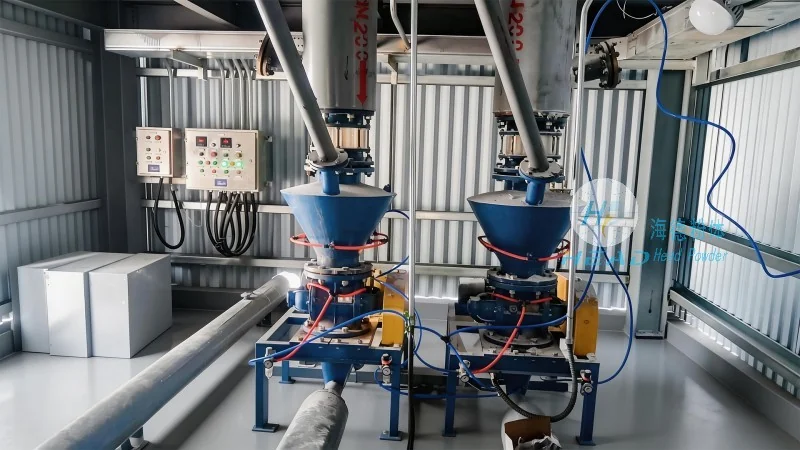
Key Components of the Copper Oxide Powder Conveying System
The copper oxide powder conveying system typically comprises several critical components that work in tandem to ensure smooth and efficient material transport. These include feed hoppers, conveyor belts or screw conveyors, pneumatic conveying lines, dust collection systems, and control panels. Each component plays a vital role in the overall functionality of the system. The feed hopper is responsible for storing and feeding the copper oxide powder into the system, ensuring a consistent supply of material. The conveyor mechanism, whether a belt or screw, transports the powder from the hopper to the next stage of processing. Pneumatic conveying systems use air pressure to move the powder through pipes, offering flexibility in layout and the ability to handle fine powders without the need for mechanical contact. Dust collection systems are essential for maintaining air quality and preventing dust emissions, adhering to environmental regulations. The control panel allows operators to monitor and adjust the system parameters, ensuring safe and efficient operation.
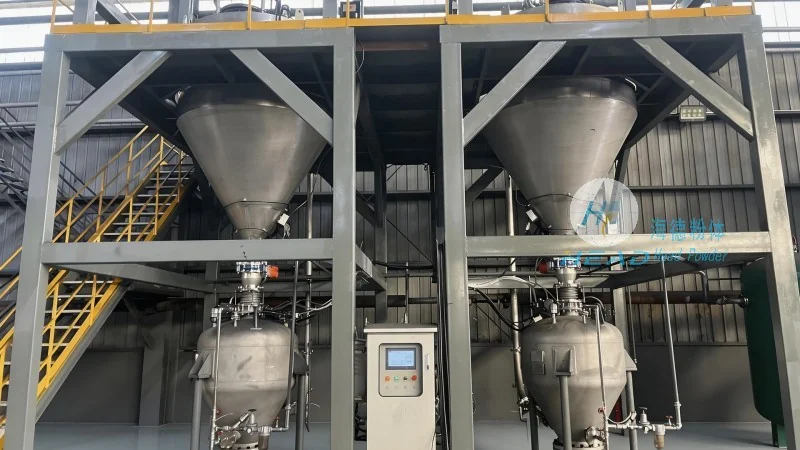
Operation Process of the Copper Oxide Powder Conveying System
The operation of the copper oxide powder conveying system follows a systematic sequence of steps that ensure the efficient movement of material from the storage point to the processing or discharge point. The process begins with the loading of copper oxide powder into the feed hopper. The hopper is designed to maintain a consistent material level, preventing overfilling or underfilling that could affect the conveying efficiency. Once the hopper is filled, the powder is released into the conveyor system. In a belt conveyor setup, the powder is spread evenly across the belt and moved by the rotation of the drive pulley. In a screw conveyor, the rotating screw pushes the powder forward along the trough. For pneumatic conveying, the powder is introduced into the conveying line, where it is suspended in a stream of air and transported to the destination. The system is equipped with sensors and controls that monitor the flow rate, pressure, and other parameters, allowing for real-time adjustments to maintain optimal performance. The powder is then discharged from the system into the processing equipment or storage container, completing the cycle. The entire process is designed to be continuous, minimizing downtime and maximizing throughput.
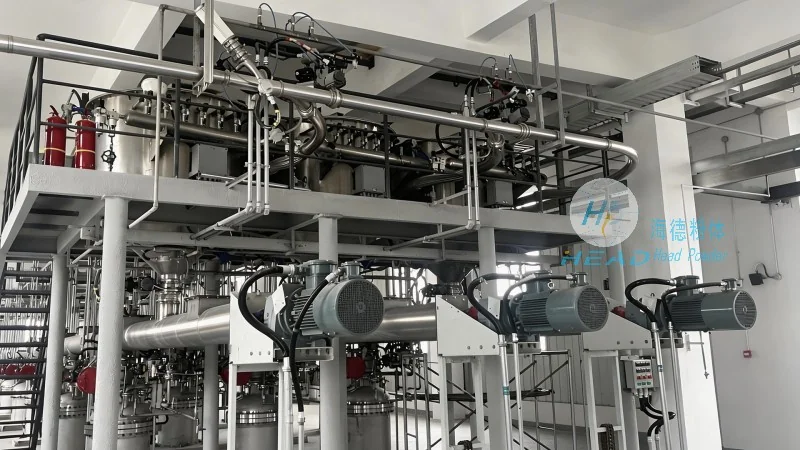
Working Principle of the Copper Oxide Powder Conveying System
The working principle of the copper oxide powder conveying system is based on the application of mechanical or pneumatic forces to move the powder from one location to another. In mechanical conveying systems, such as belt or screw conveyors, the movement is achieved through the rotation of mechanical components. The belt conveyor uses friction between the belt and the material to transport the powder, while the screw conveyor uses the helical screw to push the material forward. These systems are suitable for handling bulk quantities of copper oxide powder and are commonly used in industrial settings. Pneumatic conveying systems operate on the principle of air pressure. The powder is introduced into the conveying line, where it is carried by the air stream. The pressure difference between the inlet and outlet of the line creates the force needed to move the powder. The system can be either positive or negative pressure, depending on the application. Positive pressure systems use compressed air to push the powder, while negative pressure systems use vacuum to pull the powder. The choice of system depends on factors such as the powder characteristics, distance to be conveyed, and environmental considerations. The dust collection system works by capturing the fine particles of copper oxide that are carried along with the air stream. The air is passed through filters or cyclones, which separate the powder from the air, allowing the clean air to be released back into the environment. This not only improves air quality but also prevents the loss of valuable material.
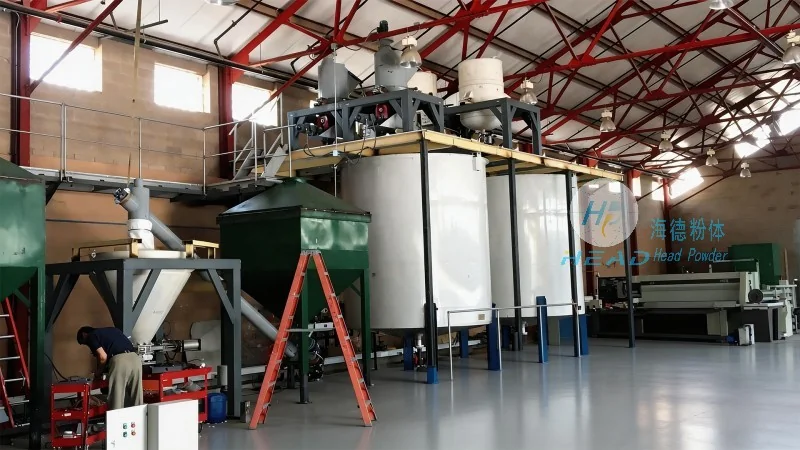
Benefits and Applications of the Copper Oxide Powder Conveying System
The copper oxide powder conveying system offers several benefits that make it an ideal solution for industrial applications. One of the primary advantages is its ability to handle fine powders without the risk of clogging or blockages, which is common in traditional systems. The system is also designed to minimize dust emissions, ensuring compliance with environmental regulations and improving workplace safety. The continuous operation of the system maximizes production efficiency, reducing downtime and increasing throughput. The modular design of the system allows for easy integration with existing processing equipment, making it a flexible solution for various industrial needs. The copper oxide powder conveying system is widely used in industries such as mining, metallurgy, and chemical processing, where the efficient handling of copper oxide is crucial. In mining operations, the system is used to transport copper oxide from the ore processing plant to storage or further processing. In metallurgy, it is used to convey copper oxide for smelting and refining processes. In chemical processing, the system is used to transport copper oxide for the production of various copper-based products. The system's reliability and efficiency make it a preferred choice for companies looking to improve their material handling processes.