

Operation Process and Working Principle of Capsule Powder Conveying System
Industrial powder handling systems are critical for efficient material transport in various manufacturing processes. Among these, capsule powder conveying systems have emerged as a sophisticated solution for transporting fine powders, granules, and other particulate materials with precision and reliability. HeadPowder, a leading manufacturer based in Shandong, China, specializes in developing advanced powder handling technologies that enhance operational efficiency and product quality. This article delves into the operation process and working principle of capsule powder conveying systems, highlighting how such systems function and the key components that contribute to their performance.
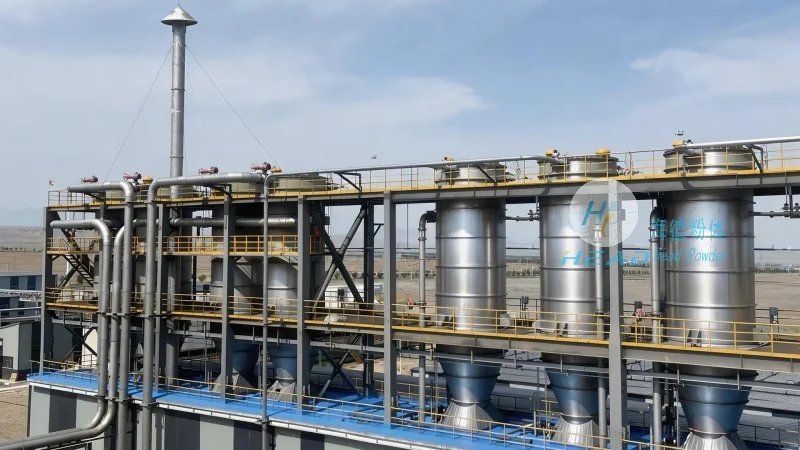
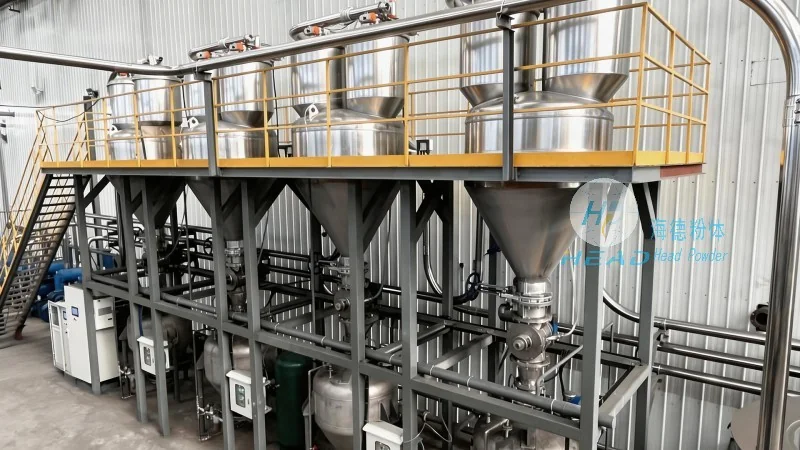
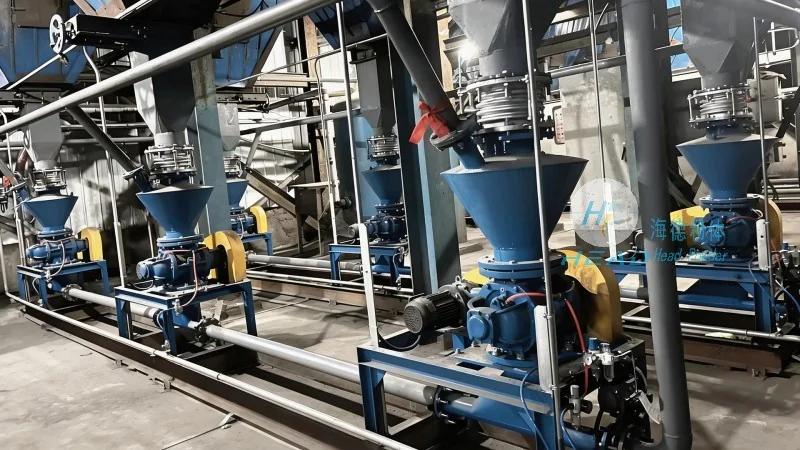
Working Principle of Capsule Powder Conveying Systems
The core of a capsule powder conveying system lies in its unique design, which typically involves a series of interconnected capsules or containers that move material through a sealed pipeline. The system operates on the principle of pneumatic or mechanical movement, depending on the specific configuration. In pneumatic systems, compressed air is used to create a pressure differential that propels the powder forward. Each capsule is equipped with a valve mechanism that controls the flow of air and material, ensuring smooth and controlled transport. The capsules are usually made of durable materials like stainless steel or high-grade plastic, designed to withstand the rigors of industrial environments. The working principle can be broken down into several key stages: material intake, capsule filling, transport, and discharge. The intake process involves feeding the powder into the system, often through a hopper or feeder, which then transfers the material to the first capsule. As the capsule fills, the valve closes to prevent backflow, and the system initiates the transport sequence by activating the air or mechanical drive. The capsules move sequentially through the pipeline, each carrying a portion of the powder until the material reaches the discharge point. At the discharge end, the valve opens to release the powder into a collection container or processing unit. This cyclic process ensures continuous and uninterrupted material flow, minimizing downtime and maximizing productivity.
Step-by-Step Operation Process
The operation of a capsule powder conveying system follows a structured sequence of steps, each designed to optimize performance and ensure safety. The process begins with system preparation, where all components are checked for proper functionality and the system is purged of any air or residual material. Once the system is ready, the start-up sequence is initiated. This involves activating the main air compressor or motor, which powers the capsule movement mechanism. The first capsule is then positioned at the intake point, and the feeder starts delivering the powder into the capsule. As the capsule fills, the filling valve closes to maintain pressure and prevent material loss. After the capsule is fully loaded, the system signals the next capsule to move into position, and the filling process repeats. The capsules then move along the pipeline, each carrying a portion of the powder. The transport speed is controlled by the system's control panel, which adjusts the air pressure or motor speed to achieve the desired flow rate. At the discharge end, the capsules are positioned over the collection hopper, and the discharge valve opens to release the powder. The system then returns to the intake position, and the cycle repeats. The entire process is monitored by sensors and control systems that track parameters such as pressure, flow rate, and capsule position. Any deviations from the set parameters trigger alarms or automatic adjustments, ensuring the system operates within safe and efficient limits. The operation process is designed to be automated, reducing the need for manual intervention and minimizing human error. This automation not only improves efficiency but also enhances safety by eliminating the risk of exposure to powders or mechanical hazards.