

Principles and Application Scenarios of Wheat Flour Pneumatic Conveying Systems
Wheat flour pneumatic conveying systems represent a critical advancement in the food processing sector, providing efficient, hygienic, and reliable methods for transporting bulk materials. This article delves into the fundamental principles governing these systems and outlines key application scenarios where they deliver superior performance and operational benefits.
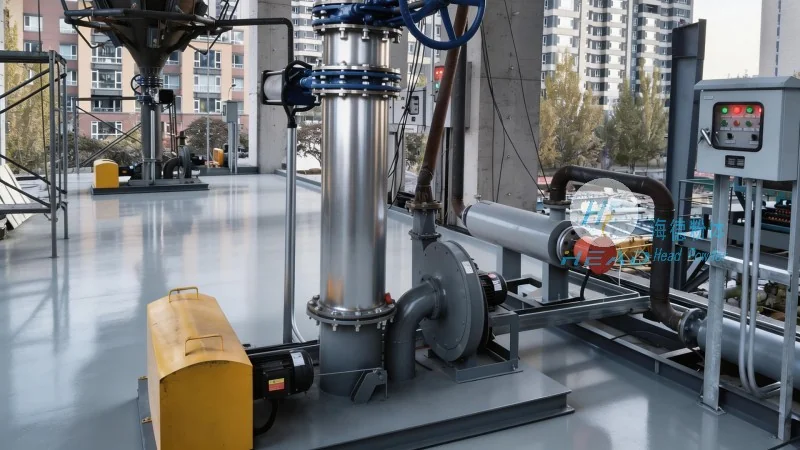
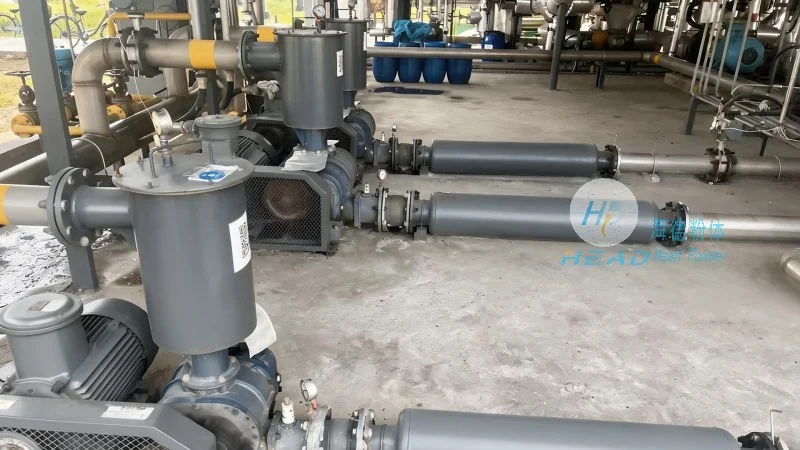
Core Principles of Pneumatic Conveying for Wheat Flour
The operation of a wheat flour pneumatic conveying system is rooted in the principle of utilizing air to transport bulk materials through a pipeline. Unlike traditional mechanical conveyors, which rely on physical contact and moving parts, pneumatic systems employ air pressure or vacuum to move the product. This approach ensures a clean, dust-free environment, which is paramount for maintaining the quality, safety, and regulatory compliance of wheat flour. The system typically comprises several key components: a hopper for material storage, a conveyor line (often made of stainless steel or other food-grade materials), a control unit to manage air pressure and flow, and a discharge point for the material. The hopper holds the wheat flour, and as air is introduced, it creates a flow that propels the flour through the pipeline. The control unit regulates the air pressure and flow rate, ensuring optimal performance and preventing issues such as blockages or material degradation. The design of the system is tailored to handle the fine particle size and hygroscopic nature of wheat flour, minimizing the risk of clogging and ensuring consistent flow rates.
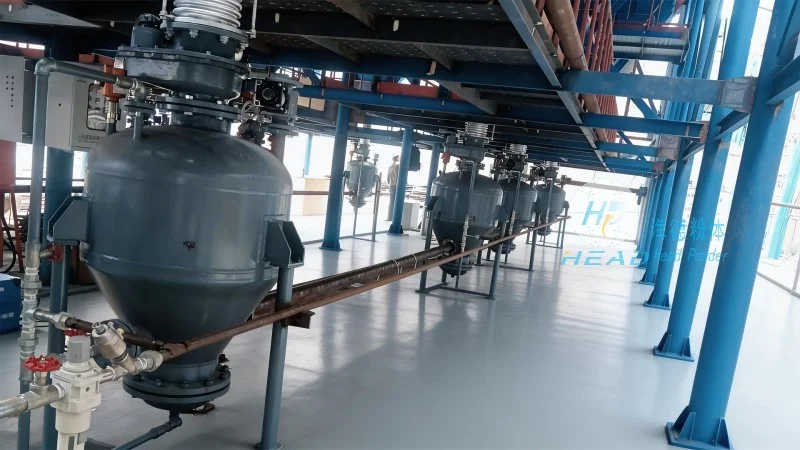
Common Application Scenarios and Benefits
Wheat flour pneumatic conveying systems are widely adopted across various industrial settings, each leveraging the technology's advantages to enhance operational efficiency. A primary application is in large-scale flour mills, where the system efficiently transfers raw wheat flour from storage silos to processing equipment. The ability to handle high volumes with minimal human intervention makes it ideal for continuous production lines, reducing labor costs and increasing throughput. Another common scenario is in bakery and food processing facilities, where the system transports flour to mixing and baking equipment. Here, the hygienic design of the system, with smooth surfaces and easy-to-clean components, ensures compliance with stringent food safety regulations, minimizing the risk of contamination and cross-contamination. Additionally, in distribution centers and bulk handling operations, pneumatic conveying systems are used to move wheat flour from receiving areas to storage silos or loading docks. This application is particularly beneficial for companies operating in regions with strict environmental and safety standards, as the system reduces dust emissions and improves overall operational efficiency. The benefits of pneumatic conveying extend beyond efficiency; it also enhances product quality by maintaining the flour's moisture content and preventing exposure to contaminants, which is crucial for maintaining the flavor and texture of baked goods.
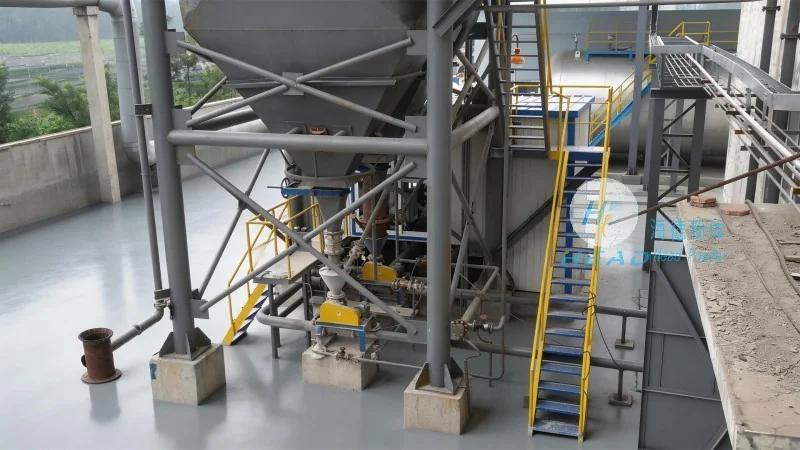
HeadPowder Engineering: Specializing in Wheat Flour Pneumatic Conveying Solutions
Shandong HeadPowder Engineering Co., Ltd. stands as a leading provider of advanced pneumatic conveying systems specifically designed for wheat flour processing. With a strong commitment to innovation and customer satisfaction, HeadPowder has established itself as a trusted partner for businesses seeking reliable and efficient material handling solutions. The company’s expertise is built on years of experience in the industry, enabling it to understand the unique challenges of wheat flour, such as its fine particle size and tendency to clump or clog. HeadPowder’s engineers and technicians work closely with clients to develop customized systems that address these challenges effectively. The company’s systems are engineered with food-grade materials, ensuring compliance with international standards like FDA and EU regulations. This focus on quality and compliance is reflected in the robust design of the conveyor lines, which are constructed from stainless steel and equipped with features like air filters and moisture control mechanisms to maintain the flour's quality throughout the conveying process. HeadPowder also offers comprehensive support, including installation, maintenance, and technical assistance, ensuring that clients can maximize the performance and lifespan of their systems. By leveraging cutting-edge technology and rigorous quality control measures, HeadPowder delivers solutions that not only enhance productivity but also reduce downtime and operational costs for its clients.