Calcium chloride is a widely used chemical compound in various industrial applications, and the efficient handling of its powder form is crucial for many processes. A calcium chloride powder conveying line is a specialized system designed to transport calcium chloride powder from one location to another with precision and reliability. This article explores the concept of such a line and delves into its underlying design principles, providing insights into how these systems operate and their significance in industrial operations.
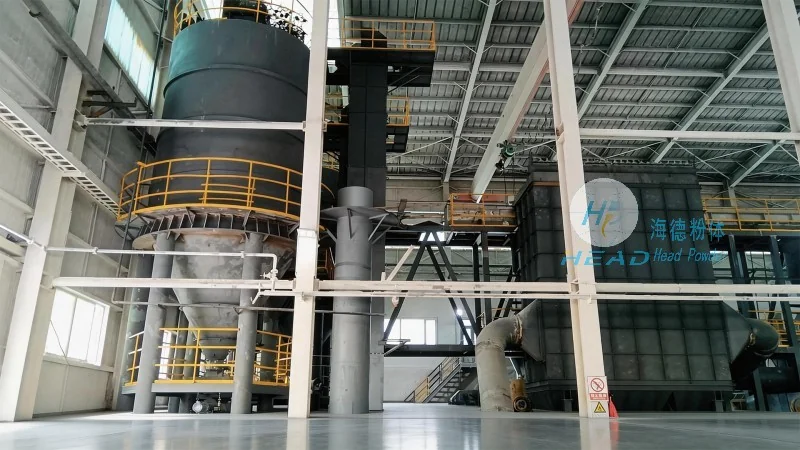
Introduction to Calcium Chloride Powder Conveying Lines
Calcium chloride (CaCl₂) is a hygroscopic salt that is commonly used as a de-icing agent, in water treatment, and in various chemical manufacturing processes. When in powder form, it requires specialized equipment to handle due to its fine particle size and tendency to clump or stick to surfaces. A calcium chloride powder conveying line addresses these challenges by integrating multiple components that work together to ensure safe, efficient, and consistent transport of the material. These systems are essential for industries that rely on calcium chloride as a key raw material or intermediate product.
About HeadPowder: The Expert in Powder Handling Solutions
HeadPowder, a leading provider of powder handling and conveying systems, specializes in designing and manufacturing equipment tailored to the unique needs of industrial applications. With a strong presence in the industry, HeadPowder has established itself as a trusted partner for companies seeking reliable solutions for handling calcium chloride and other powders. The company is headquartered in Shandong, China, and its expertise lies in understanding the complexities of powder flow, material properties, and system integration. By leveraging advanced engineering and manufacturing capabilities, HeadPowder delivers high-quality conveying lines that meet the stringent requirements of modern industrial operations.
Design Principles of Calcium Chloride Powder Conveying Lines
The design of a calcium chloride powder conveying line is based on several key principles aimed at optimizing performance, safety, and efficiency. The system typically consists of a combination of components, including feeders, conveyors, dust collectors, and control systems. Each component is carefully selected and integrated to ensure smooth and continuous operation. The following are the core design principles that guide the development of these lines:
1. Material Compatibility: The materials used in the construction of the conveying line must be compatible with calcium chloride. Calcium chloride is highly corrosive and can cause wear on certain metals. Therefore, components such as hoppers, chutes, and conveyors are often made from materials like stainless steel, polyethylene, or other corrosion-resistant alloys. This ensures that the system can withstand the chemical properties of calcium chloride without degradation.
2. Airflow Management: Proper airflow is critical for the efficient transport of calcium chloride powder. The conveying line utilizes a combination of positive and negative pressure systems to move the material. Positive pressure systems, such as pneumatic conveyors, use compressed air to push the powder through the system, while negative pressure systems, like vacuum conveyors, use suction to draw the material. The design must consider the particle size distribution of the calcium chloride, as finer particles require higher airflow rates to prevent clogging and ensure consistent flow.
3. Prevention of Caking and Agglomeration: Calcium chloride powder has a tendency to cake or agglomerate, which can lead to blockages and reduced efficiency. The design incorporates features such as vibration mechanisms, agitators, and anti-caking additives to prevent these issues. Vibration feeders, for example, help to break up clumps and ensure a uniform feed rate. Additionally, the system may include temperature control features to maintain the powder in a dry and free-flowing state.
4. Control and Monitoring: Modern calcium chloride powder conveying lines are equipped with advanced control systems that allow for real-time monitoring and adjustment of the process. Sensors are used to measure flow rates, pressure, and temperature, providing operators with data to optimize performance. The control system may also include safety features, such as emergency shut-off valves, to prevent accidents and ensure the safety of personnel and equipment.
Key Components of a Calcium Chloride Powder Conveying Line
A calcium chloride powder conveying line consists of several key components that work in tandem to achieve efficient material transport. The main components include:
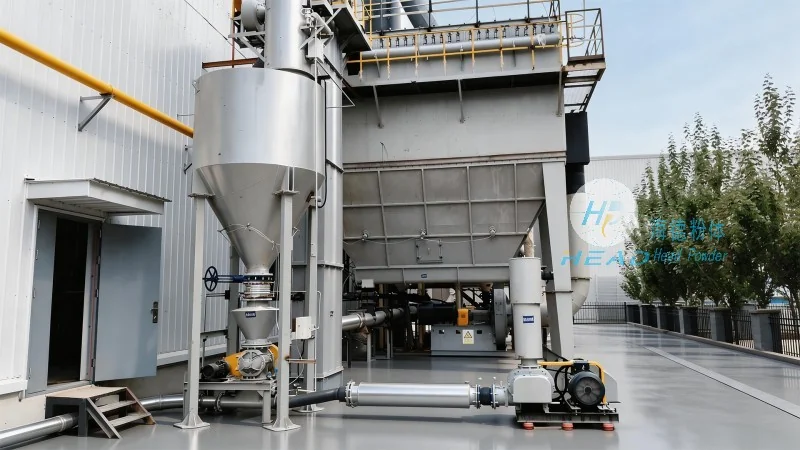
1. Feeder: The feeder is the first component in the system and is responsible for feeding the calcium chloride powder into the conveying line. It ensures a consistent and controlled flow of material, preventing overloading or underloading of the conveyor. Common types of feeders include screw feeders, vibratory feeders, and rotary valves. The choice of feeder depends on the characteristics of the calcium chloride powder, such as its bulk density and flowability.
2. Conveyor: The conveyor is the primary component responsible for moving the calcium chloride powder from the feeder to the discharge point. There are several types of conveyors used in powder handling, including pneumatic conveyors, belt conveyors, and screw conveyors. Pneumatic conveyors are commonly used for calcium chloride due to their ability to handle fine powders and prevent clogging. The conveyor system is designed to maintain a consistent airflow and pressure to ensure smooth transport.
3. Dust Collector: A dust collector is an essential component of the conveying line, as calcium chloride is a fine powder that can generate significant dust during handling. The dust collector captures the airborne particles and filters them to prevent contamination of the environment and ensure operator safety. It typically consists of a hopper, filter media, and a fan to create the necessary airflow for dust removal.
4. Control System: The control system manages the operation of the entire conveying line, including the feeder, conveyor, and dust collector. It monitors various parameters such as flow rate, pressure, and temperature, and adjusts the system as needed to maintain optimal performance. The control system may also include safety features to prevent overpressure or underpressure conditions that could lead to equipment damage or accidents.
Advantages of Using a Calcium Chloride Powder Conveying Line
Implementing a calcium chloride powder conveying line offers several advantages for industrial operations. These systems enhance efficiency, reduce labor costs, and improve safety compared to traditional manual handling methods. Some of the key advantages include:
1. Increased Efficiency: Automated conveying lines can operate continuously, reducing downtime and increasing production capacity. The consistent flow of material ensures that processes are not interrupted, leading to higher throughput and productivity.
2. Improved Safety: By eliminating manual handling of calcium chloride powder, the risk of exposure to dust and chemicals is significantly reduced. The enclosed system also prevents dust from spreading into the environment, protecting both personnel and the surrounding area.
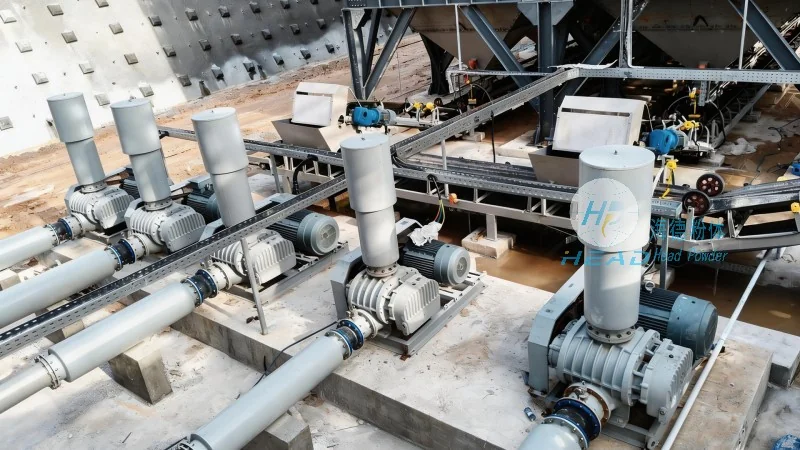
3. Reduced Labor Costs: Automated systems require less manual labor, reducing the need for operators to handle the material. This not only lowers labor costs but also minimizes the risk of accidents caused by manual handling.
4. Consistent Quality: The controlled environment of the conveying line ensures that the calcium chloride powder is handled consistently, maintaining its quality and preventing contamination. This is particularly important in applications where the purity of the material is critical, such as in water treatment or chemical manufacturing.
Applications of Calcium Chloride Powder Conveying Lines
Calcium chloride powder conveying lines are used in a variety of industrial applications where the efficient handling of calcium chloride is essential. Some common applications include:
1. De-icing and Snow Removal: Calcium chloride is widely used as a de-icing agent on roads and sidewalks. Conveying lines are used to transport the powder from storage facilities to application sites, ensuring that it is distributed evenly and effectively.
2. Water Treatment: In water treatment plants, calcium chloride is used to adjust the pH levels and to remove impurities from water. The conveying line ensures that the powder is added to the water treatment process in the correct amount and at the right time.
3. Chemical Manufacturing: Calcium chloride is used as an intermediate in the production of various chemicals, including plastics, fertilizers, and pharmaceuticals. The conveying line facilitates the transport of the powder between different stages of the manufacturing process.
4. Food Industry: In some food applications, calcium chloride is used as a food additive to improve texture and shelf life. The conveying line ensures that the powder is handled safely and in compliance with food safety regulations.
Conclusion
A calcium chloride powder conveying line is a critical component in many industrial operations, providing an efficient and safe method for handling this important chemical. The design principles and components of these systems are carefully engineered to address the unique challenges of calcium chloride powder, ensuring consistent performance and reliability. Companies like HeadPowder, with their expertise in powder handling, play a vital role in providing these solutions to industries that rely on calcium chloride. By investing in a well-designed conveying line, businesses can enhance their operational efficiency, improve safety, and maintain the quality of their products.




