Sorghum, a versatile cereal grain widely used in food, animal feed, and biofuel production, requires efficient handling and transportation systems to ensure optimal processing and value preservation. Pneumatic conveying systems have emerged as a critical technology for moving sorghum and its byproducts, offering advantages such as dust control, reduced contamination, and flexible layout capabilities. This article explores the fundamental principles of sorghum pneumatic conveying systems and highlights key working scene characteristics that define their effectiveness in real-world applications.
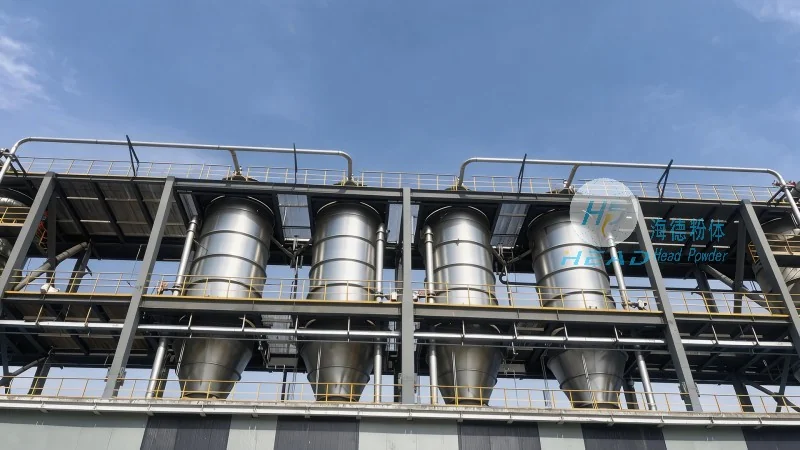
HeadPowder, a leading engineering company based in Shandong, China, specializes in the design, manufacturing, and integration of advanced pneumatic conveying solutions tailored to the unique demands of sorghum processing industries. With a focus on innovation and reliability, HeadPowder's systems leverage cutting-edge air dynamics and material handling technologies to deliver high-performance, cost-effective solutions for clients across the globe.
Principle of Pneumatic Conveying for Sorghum
Pneumatic conveying operates on the principle of using air flow to transport solid materials like sorghum through a pipeline system. There are two primary modes: dilute-phase and dense-phase. Dilute-phase systems use high-velocity air to suspend particles, enabling long-distance transport with minimal pressure drop. Dense-phase systems, on the other hand, use lower air velocities and higher pressure to move material in a more compact form, reducing particle degradation and wear on equipment. The choice between these modes depends on factors such as material properties, distance, and required flow rates. HeadPowder's systems are engineered to optimize these parameters, ensuring efficient and reliable sorghum transport while minimizing energy consumption and operational costs.
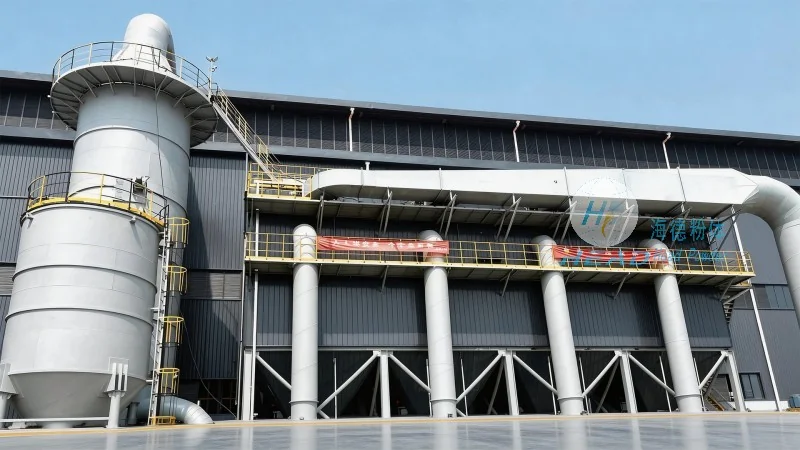
Key Working Scene Characteristics of Sorghum Pneumatic Conveying Systems
1. **Flexibility in Layout**: Pneumatic conveying systems can be configured to accommodate complex plant layouts, allowing sorghum to be moved from storage silos to processing units, or between different production lines without the need for extensive reconfiguration. This flexibility is particularly valuable in modern sorghum processing facilities where space optimization and adaptability are critical.
2. **Dust and Contamination Control**: Unlike mechanical conveyors, pneumatic systems effectively contain dust and prevent cross-contamination between different batches of sorghum. This is essential for maintaining product quality and meeting stringent food safety and regulatory standards. HeadPowder's systems incorporate advanced filtration and sealing technologies to ensure a clean and hygienic conveying environment.
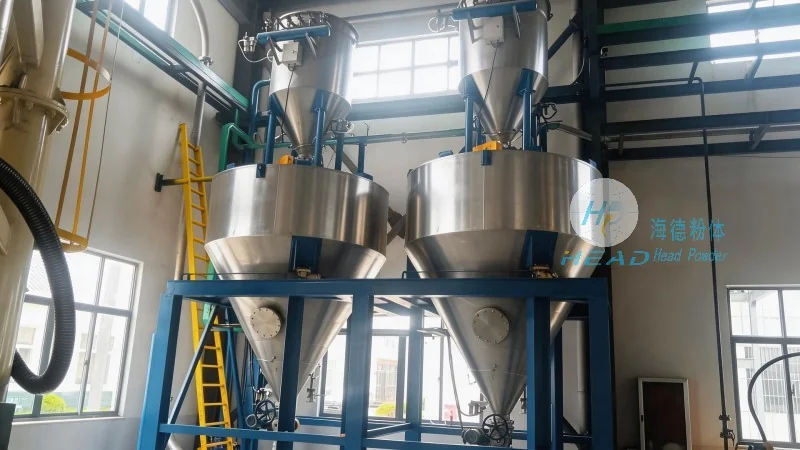
3. **Energy Efficiency and Cost-Effectiveness**: By utilizing air as the primary transport medium, pneumatic conveying reduces the need for heavy machinery and reduces labor costs associated with manual handling. The systems are designed to operate with minimal pressure drop, leading to lower energy consumption compared to traditional belt or bucket elevators. This makes them a cost-effective solution for large-scale sorghum processing operations.
4. **Scalability and Customization**: HeadPowder's pneumatic conveying solutions are scalable to meet the needs of small-scale farms and large industrial facilities alike. The company offers customized designs that can be tailored to specific sorghum varieties, processing requirements, and environmental conditions. This adaptability ensures that clients receive a system that is optimized for their unique operational needs.
Operational Advantages in Real-World Applications
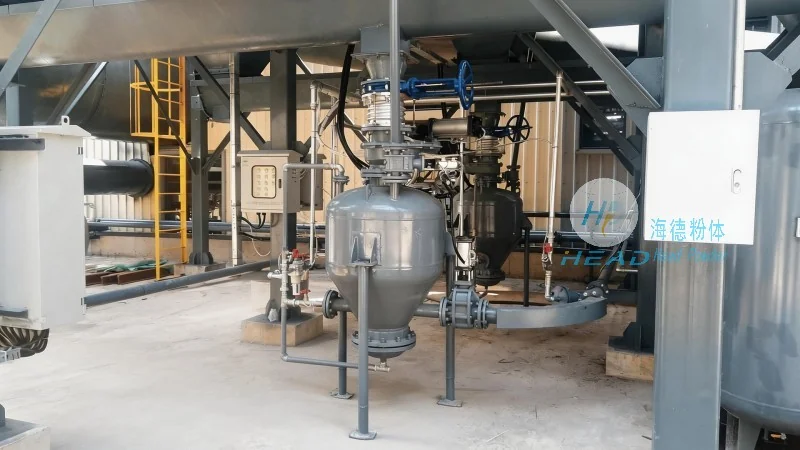
In practical applications, sorghum pneumatic conveying systems from HeadPowder have demonstrated superior performance in various working scenarios. For instance, in grain elevators and processing plants, these systems efficiently handle high volumes of sorghum, ensuring smooth material flow from storage to milling or packaging stages. The systems' ability to maintain consistent air pressure and flow rates minimizes downtime and maximizes production throughput. Additionally, the hygienic design of HeadPowder's equipment complies with industry standards, making them suitable for food-grade sorghum processing where product purity is paramount.
Conclusion and Future Outlook
As the demand for efficient and sustainable grain handling solutions continues to grow, pneumatic conveying systems remain a cornerstone technology for sorghum processing. HeadPowder's commitment to innovation and customer-centric design ensures that their systems not only meet current industry needs but also adapt to future technological advancements. By leveraging the principles of air dynamics and material science, HeadPowder's sorghum pneumatic conveying systems provide reliable, efficient, and cost-effective solutions that enhance operational productivity and product quality in diverse working environments.




