For detailed information on nanopowder material pneumatic conveying systems, visit Shandong HeadPowder Engineering Co., Ltd. website.
About Shandong HeadPowder Engineering Co., Ltd.
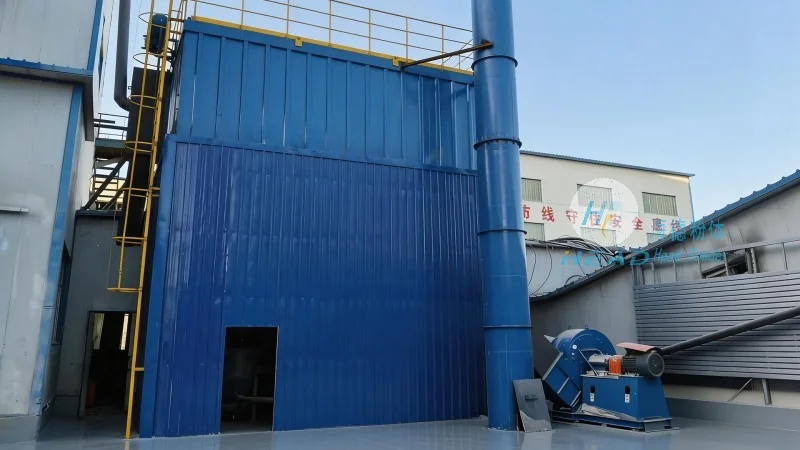
Shandong HeadPowder Engineering Co., Ltd., commonly known as HeadPowder, is a professional manufacturer and supplier of advanced pneumatic conveying solutions. HeadPowder is headquartered in Shandong, China, and specializes in designing, manufacturing, and installing systems for transporting nanopowder materials. The company's expertise lies in developing customized solutions that meet the unique requirements of various industries, including chemical, pharmaceutical, food, and electronics.
Overview of Pneumatic Conveying Systems for Nanopowder Materials
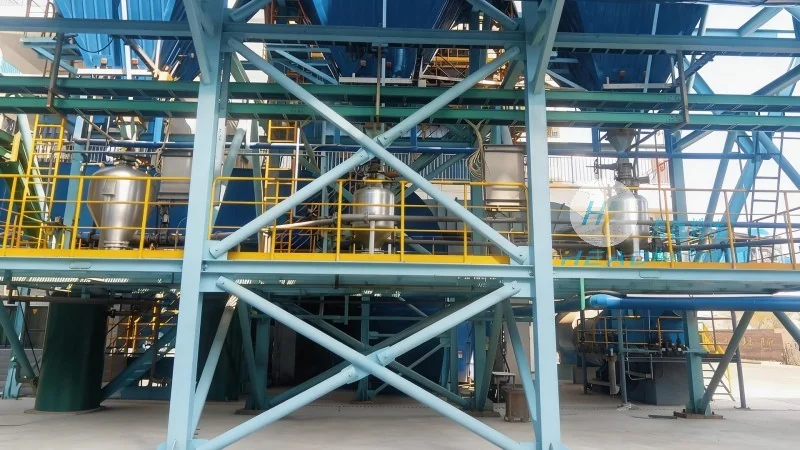
A pneumatic conveying system is a method of transporting bulk materials, such as nanopowders, through a pipeline using air or other gases. This technology is widely used in industries where traditional mechanical conveying methods are unsuitable due to the delicate nature of nanopowders. The system typically consists of a blower, a hopper for material storage, a feeder to control the flow rate, a pipeline network, and a receiver to collect the conveyed material. The primary advantage of pneumatic conveying is its ability to handle fine powders without the need for mechanical components that could cause contamination or degradation.
Detailed Working Principle of the System
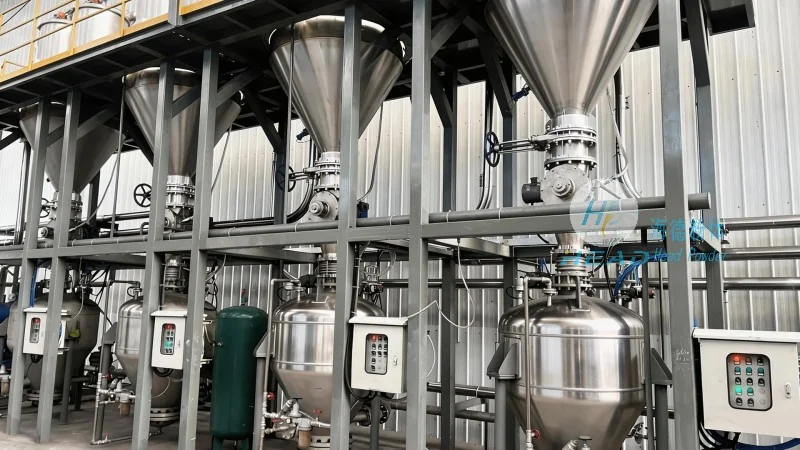
The working principle of a nanopowder material pneumatic conveying system involves several key steps. First, the nanopowder is stored in a hopper equipped with a discharge valve. The system then uses a blower to generate a high-pressure air stream. The feeder, often a rotary valve or a screw feeder, controls the rate at which the nanopowder is introduced into the pipeline. As the material enters the pipeline, it is entrained by the high-velocity air stream and carried through the system. The pipeline network may include bends, expansions, and contractions to guide the material to the desired destination. At the end of the pipeline, a separator or cyclone separates the nanopowder from the air stream, allowing the material to be collected in a receiver. The air is then filtered and discharged back into the environment or recirculated if necessary. The entire process is controlled by a programmable logic controller (PLC) that monitors pressure, flow rate, and other parameters to ensure optimal operation.
Key Features and Advantages
The nanopowder material pneumatic conveying system developed by HeadPowder offers several distinct features and advantages. One of the most significant is its high efficiency in transporting fine powders over long distances. The system can achieve high conveying velocities, reducing the time required for material transfer and increasing overall production throughput. Additionally, the system minimizes material loss and degradation, as the material is not in direct contact with mechanical components like belts or buckets. This is crucial for nanopowders, which are often sensitive to friction and impact. The system also provides excellent dust control, as the material is contained within the pipeline and separated from the air stream at the receiver. This reduces the risk of dust contamination in the workplace and improves environmental compliance. Furthermore, the system is highly adaptable, with options for different pipeline materials (such as stainless steel or plastic) and air flow rates to suit various nanopowder characteristics. The control system allows for precise regulation of the conveying process, enabling operators to adjust parameters in real-time to optimize performance.
Practical Benefits in Industrial Applications
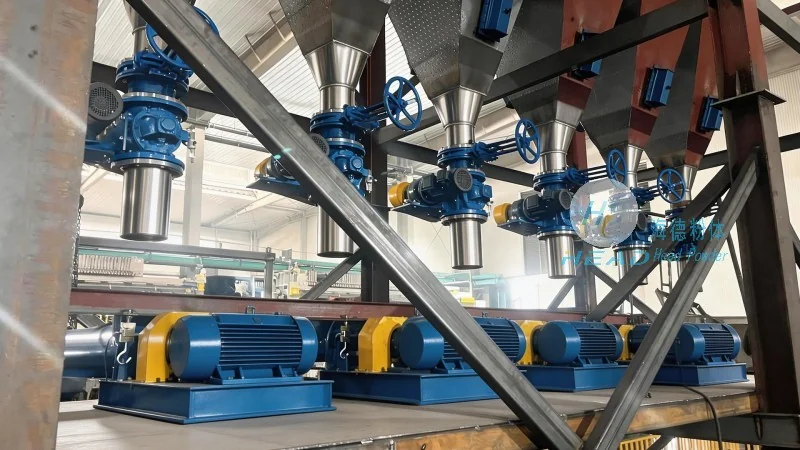
In industrial settings, the use of a nanopowder material pneumatic conveying system brings several practical benefits. For example, in the pharmaceutical industry, where nanopowders are used in drug formulations, the system ensures that the material is transported without contamination, maintaining product purity and quality. In the chemical industry, the system allows for the safe handling of hazardous nanopowders, reducing the risk of exposure to workers. The system also improves operational efficiency by eliminating the need for manual handling of powders, which can be time-consuming and labor-intensive. Additionally, the low maintenance requirements of the system contribute to cost savings over time, as there are fewer mechanical parts that require replacement or repair. The ability to integrate the system with existing production lines also enhances flexibility, allowing manufacturers to scale operations as needed without significant modifications.




