

Working Principle and Features of Ceramic Powder Material Pneumatic Conveying Systems
For industrial applications involving the handling of ceramic powders, efficient and reliable material transport is crucial. The pneumatic conveying system for ceramic powders, developed by Shandong HeadPowder Engineering Co., Ltd., offers a sophisticated solution that ensures smooth and safe material transfer. This article will delve into the working principle and key features of this system, providing a comprehensive understanding of its functionality and benefits.
Working Principle of Ceramic Powder Pneumatic Conveying Systems
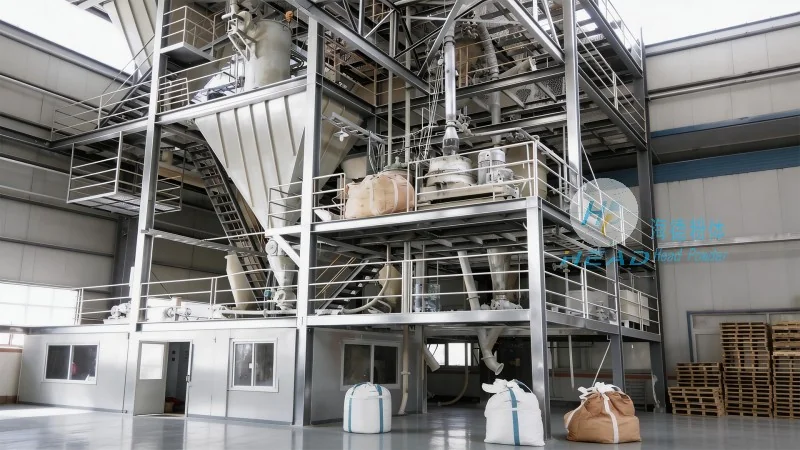
The core of the ceramic powder pneumatic conveying system lies in its ability to transport dry powders through a pressurized or vacuum environment using air or other gases. The system typically operates on one of two main principles: pressure or vacuum. In a pressure system, a blower or compressor generates positive pressure within the conveying line, pushing the powder from the source to the destination. Conversely, a vacuum system uses a vacuum pump to create a negative pressure, drawing the powder into the line. The ceramic powder is fed into the system via a hopper or feeder, and the air flow is controlled to maintain consistent particle velocity, preventing blockages and ensuring uniform transport. The system includes components such as a feeder, a conveying line, a separator, and a receiver, each playing a critical role in the overall process. The feeder regulates the flow rate of the ceramic powder, ensuring a steady supply. The conveying line, often made of materials resistant to abrasion and corrosion, transports the powder and air mixture. The separator then separates the powder from the air, typically using cyclones or filters, and the receiver collects the processed powder. This integrated approach ensures that the ceramic powder is moved efficiently without degradation or loss.
Key Features of the Ceramic Powder Pneumatic Conveying System
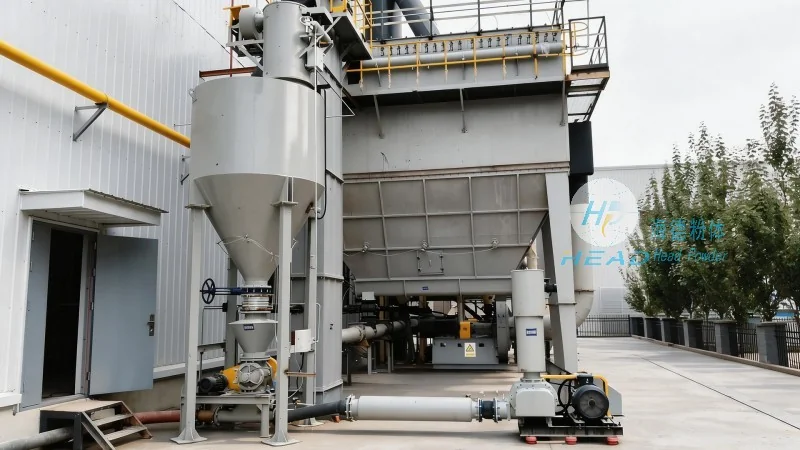
Shandong HeadPowder Engineering Co., Ltd.'s ceramic powder pneumatic conveying system is designed with several distinct features that enhance its performance and adaptability. One of the primary features is its ability to handle fine and abrasive ceramic powders, which are often challenging to transport using traditional methods. The system's design minimizes particle degradation and maintains the integrity of the powder, which is essential for applications where the powder's properties are critical. Another key feature is the system's flexibility in terms of conveying distance and capacity. It can be configured to transport ceramic powders over varying distances, from short distances within a facility to longer distances between production and storage areas. The system also offers adjustable flow rates, allowing operators to control the amount of powder being conveyed based on production needs. Additionally, the system incorporates advanced control mechanisms that monitor pressure, flow, and other parameters in real-time, ensuring optimal operation and preventing system failures. The materials used in the construction of the system components, such as the conveying line and separators, are selected for their durability and resistance to the abrasive nature of ceramic powders, reducing maintenance requirements and extending the system's lifespan. The system's energy efficiency is another notable feature, as it minimizes energy consumption while maintaining high transport efficiency. This makes it a cost-effective solution for industrial ceramic powder handling.
Application and Benefits in Industrial Settings
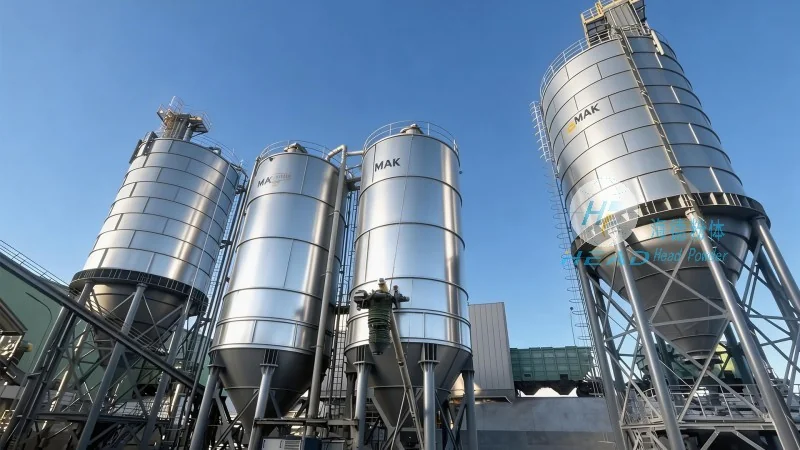
The ceramic powder pneumatic conveying system from Shandong HeadPowder Engineering Co., Ltd. is widely used in various industrial applications, including the ceramics manufacturing industry, where it plays a vital role in transporting raw materials and finished products. The system's ability to handle fine powders without segregation or agglomeration is particularly valuable in these applications. In addition to the ceramics industry, the system is also applicable in other sectors such as pharmaceuticals, food processing, and chemical manufacturing, where the transport of dry powders is required. The benefits of using this system extend beyond just efficient material transport. It improves workplace safety by eliminating the need for manual handling of heavy or hazardous powders, reducing the risk of dust exposure and accidents. The system also enhances productivity by automating the material transport process, allowing for continuous operation and reduced downtime. Furthermore, the system's compact design and modular components make it easy to install and integrate into existing production lines, providing a flexible solution for different industrial needs. The reliability of the system, with its low maintenance requirements and long operational life, ensures consistent performance over time, contributing to overall operational efficiency.
Conclusion and Company Overview
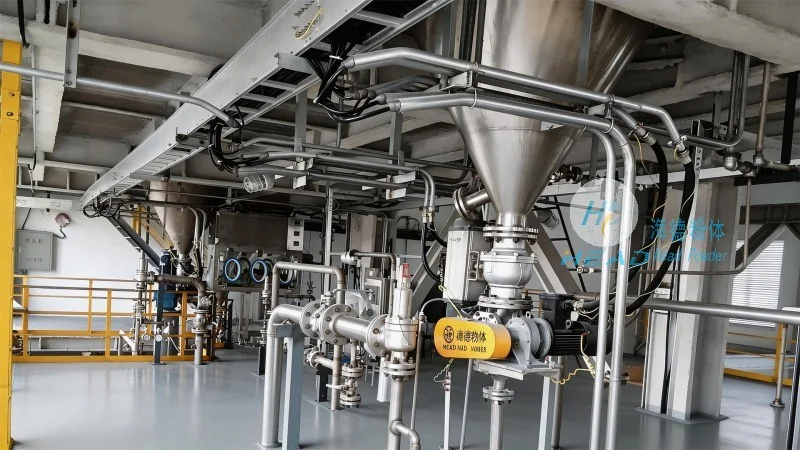
In conclusion, the pneumatic conveying system for ceramic powders developed by Shandong HeadPowder Engineering Co., Ltd. is a highly effective solution for industrial material handling. Its working principle, based on pressure or vacuum, ensures efficient and safe transport of ceramic powders, while its key features, such as flexibility, durability, and energy efficiency, make it a preferred choice for various applications. The system's ability to handle fine and abrasive powders without degradation, combined with its advanced control mechanisms and robust construction, positions it as a reliable and cost-effective option for industries relying on ceramic powder transport. As a leading provider in the field, Shandong HeadPowder Engineering Co., Ltd. continues to innovate and improve its systems to meet the evolving needs of industrial clients, ensuring that their material handling processes remain efficient, safe, and sustainable.