

[WTTLE]Working Principle and Features of the Gypsum Powder Material Pneumatic Conveying System
For industrial applications involving the transport of gypsum powder, pneumatic conveying systems offer a highly efficient and reliable solution. These systems utilize air as the primary medium to move solid materials through pipelines, eliminating the need for traditional mechanical conveyors and reducing operational complexities. The following article delves into the working principle and key features of such systems, with a focus on their application in the handling of gypsum powder, a common industrial material.
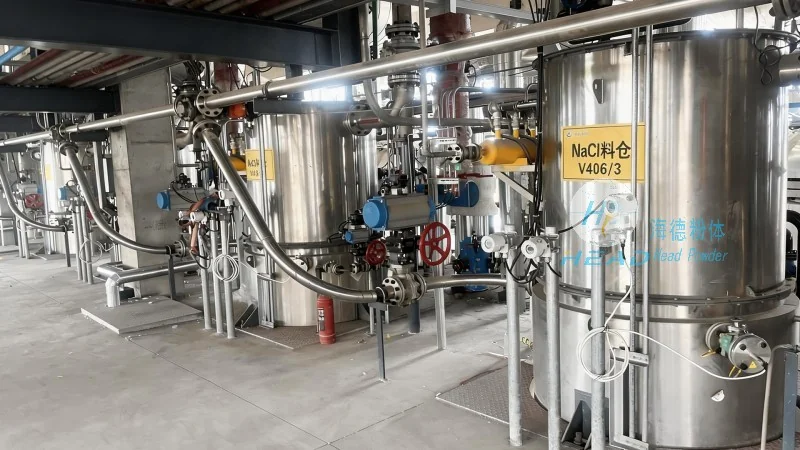
Introduction to Pneumatic Conveying Systems for Gypsum Powder
Pneumatic conveying systems are designed to transport bulk solid materials like gypsum powder by entraining them in a stream of air. This method is particularly advantageous for materials that are prone to dust generation, as it minimizes exposure and improves workplace safety. The system typically consists of a feeding mechanism, a conveying line, a separation unit, and a control system, all working in tandem to ensure smooth and continuous material transport.
Working Principle of the Gypsum Powder Pneumatic Conveying System
The operation of a gypsum powder pneumatic conveying system can be categorized into two main types: suction (or negative pressure) and pressure (or positive pressure) systems. In a suction system, a fan or blower creates a negative pressure within the conveying line, drawing the gypsum powder from the source into the pipeline. The powder is then mixed with the air stream and transported to the destination. Conversely, a pressure system uses a fan to generate positive pressure, forcing the air and powder mixture through the pipeline from the source to the destination. For gypsum powder, which is light and easily airborne, suction systems are often preferred as they can effectively capture and transport the material without excessive pressure buildup.
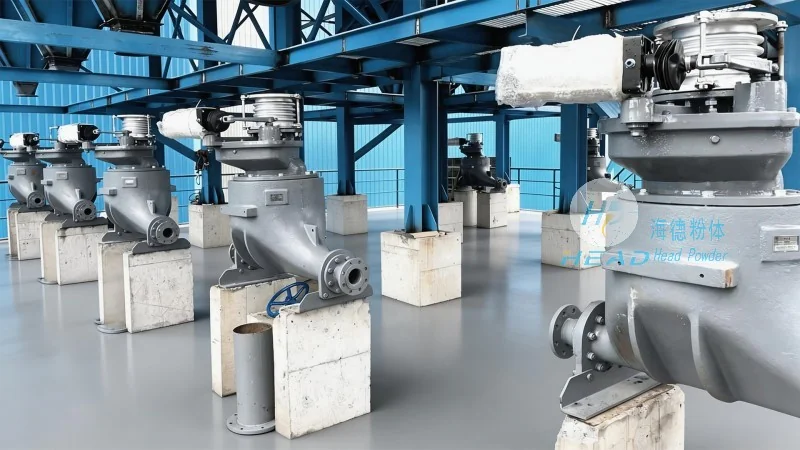
During the conveying process, the gypsum powder particles are suspended in the air stream due to the drag force exerted by the moving air. The velocity of the air must be sufficient to overcome the gravitational force acting on the particles, ensuring that they remain in suspension throughout the entire pipeline. The design of the system, including the size of the pipeline, the air velocity, and the length of the conveying line, is critical to achieving optimal performance and preventing particle deposition or blockages.
Key Features of the Gypsum Powder Pneumatic Conveying System
Several distinct features make pneumatic conveying systems ideal for handling gypsum powder. Firstly, they provide a dust-free environment, as the material is contained within the pipeline and does not escape into the workplace. This significantly reduces the risk of respiratory issues and improves overall safety. Secondly, these systems offer high efficiency in terms of material transport, with the ability to move large quantities of gypsum powder over considerable distances with minimal energy consumption. The flexibility of the system allows for easy integration into existing industrial layouts, with the ability to add or modify conveying lines as needed.
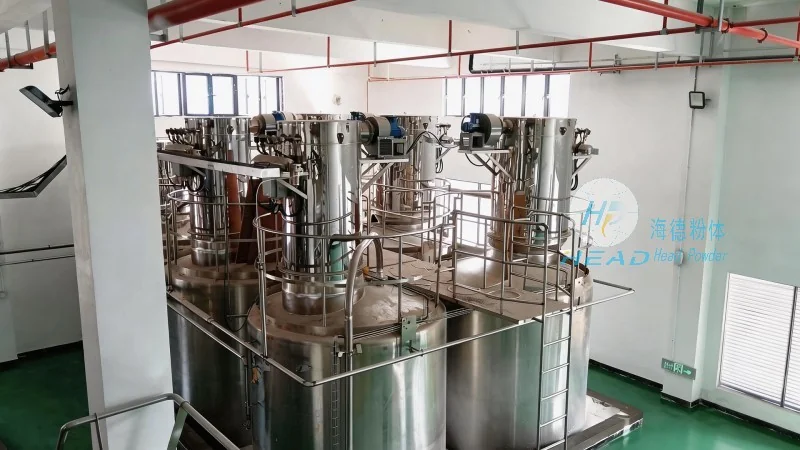
Another notable feature is the adaptability of pneumatic conveying systems to various operating conditions. They can handle a wide range of particle sizes and moisture contents, making them suitable for different types of gypsum powder. Additionally, the systems are relatively low in maintenance compared to mechanical conveyors, as they have fewer moving parts and are less prone to wear and tear. This results in lower operational costs and longer service life.
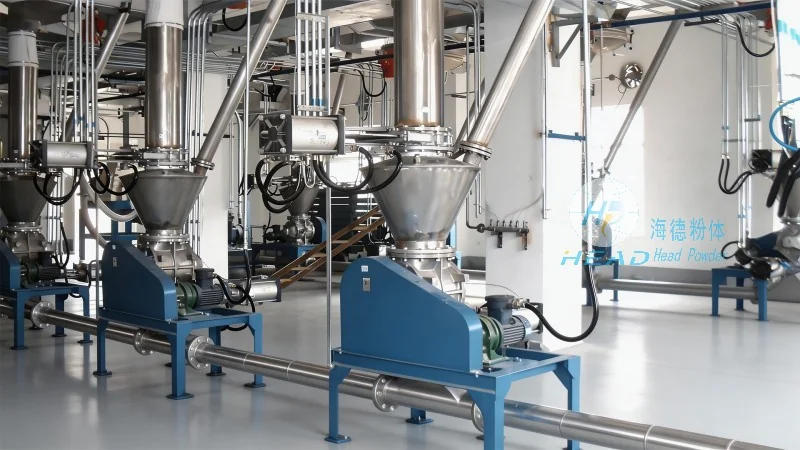
Application Scenarios and Advantages in Industrial Settings
In industrial settings, the gypsum powder pneumatic conveying system is widely used in applications such as cement production, chemical processing, and construction material manufacturing. For example, in a cement plant, the system can efficiently transport gypsum powder from storage silos to the mixing and grinding units, ensuring a consistent supply of raw material. The advantages of this system in such applications include improved production throughput, reduced labor costs, and enhanced safety standards. The ability to maintain a clean and controlled environment also contributes to better product quality and compliance with environmental regulations.
Shandong HeadPowder Engineering Co., Ltd., a leading manufacturer specializing in material handling solutions, offers customized pneumatic conveying systems tailored to the specific needs of gypsum powder handling. With years of experience in the industry, the company provides comprehensive solutions that integrate advanced technology and robust design, ensuring reliable and efficient operation. The systems are engineered to meet the highest standards of performance and safety, making them a trusted choice for industrial clients in China and beyond.