

Working Principle and Features of a Pneumatic Conveying System for Winery Waste Materials
Winery waste materials, such as grape pomace and other byproducts from the winemaking process, require efficient and reliable handling systems to ensure smooth operation in the production line. The pneumatic conveying system is a key technology in this regard, offering a solution that combines functionality with operational advantages. This article explores the working principle and key features of a pneumatic conveying system designed specifically for winery waste materials, highlighting how it addresses the unique challenges of handling such materials.
Working Principle of the Pneumatic Conveying System
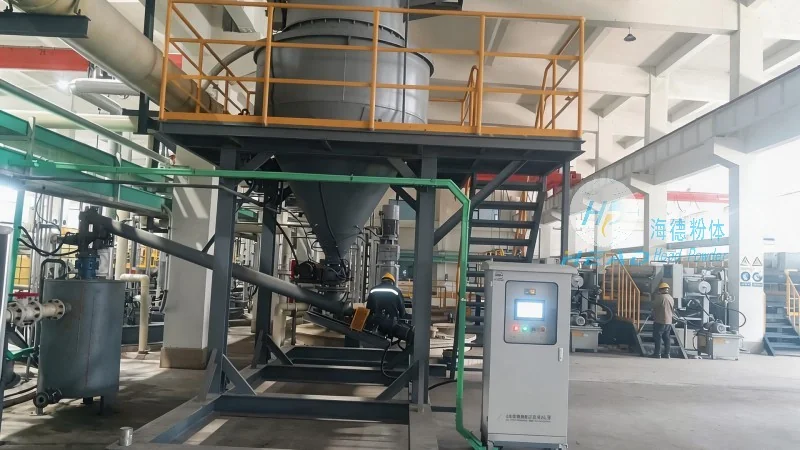
The pneumatic conveying system for winery waste materials operates on the principle of transporting bulk materials through a pipeline using air or gas as the conveying medium. The system typically consists of a hopper, a feeder, a conveying line, and a receiver. The process begins when the winery waste material is fed into the hopper. The feeder then controls the flow of material into the conveying line, where it is mixed with air or gas under pressure. This mixture is then propelled through the pipeline to the receiver, where the material is separated from the air and collected. The air is then filtered and returned to the system or released, depending on the design. The entire process is automated, ensuring consistent and continuous material transport without the need for manual handling.
Key Features of the Pneumatic Conveying System
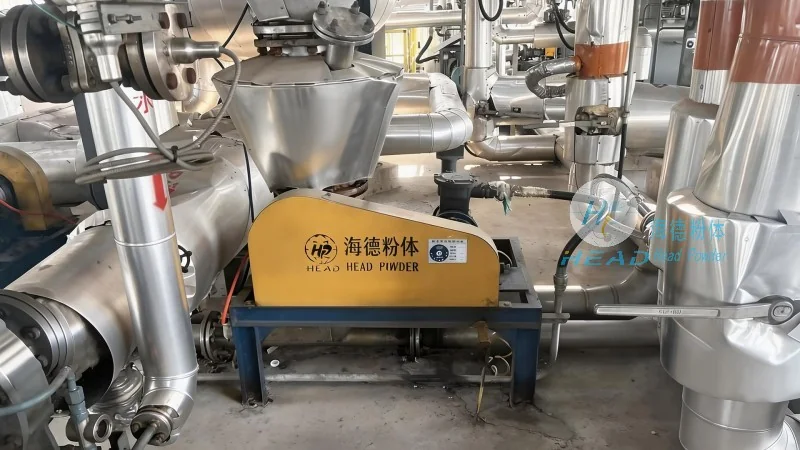
The pneumatic conveying system for winery waste materials is designed with several key features that enhance its performance and usability. Firstly, it offers a dust-free and hygienic environment, which is crucial for maintaining the quality of the winery products and complying with food safety regulations. The enclosed system prevents dust and particles from contaminating the workspace or the material itself. Secondly, it provides high efficiency in material transport, with the ability to handle large volumes of waste material quickly and reliably. The system's design allows for minimal material degradation, preserving the quality of the pomace and other byproducts. Thirdly, it is flexible and adaptable, with the ability to be integrated into existing winery facilities or customized to meet specific operational requirements. The system can be adjusted to handle different types of winery waste materials, such as grape skins, seeds, and stems, with varying particle sizes and moisture content. Fourthly, it is energy-efficient, with the use of air or gas as the conveying medium reducing the need for mechanical components like belts or buckets, which can be prone to wear and tear. The system's low maintenance requirements also contribute to its cost-effectiveness over the long term.
Company Information and Application
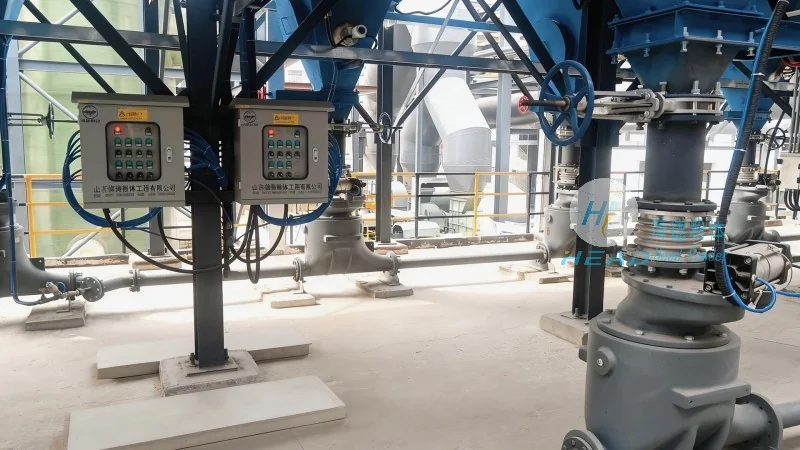
Shandong HeadPowder Engineering Co., Ltd., a leading provider of industrial conveying solutions, specializes in designing and manufacturing pneumatic conveying systems tailored to the needs of the winery industry. With years of experience in the field, the company has developed a deep understanding of the challenges faced by wineries in handling their waste materials. The pneumatic conveying system for winery waste materials is a testament to the company's expertise, combining advanced technology with practical design to deliver a reliable and efficient solution. The system is manufactured using high-quality materials and components, ensuring durability and long service life. The company's commitment to quality and customer satisfaction is reflected in its products, which are designed to meet the specific requirements of each winery. HeadPowder's pneumatic conveying system for winery waste materials is an ideal choice for wineries looking to improve their material handling processes, enhance operational efficiency, and reduce costs. The system's features and performance make it a valuable asset for any winery, contributing to the overall success of the production process.