Understanding the working principle and features of a dry manure powder conveying system is crucial for those involved in agricultural waste management and processing. This system is designed to efficiently transport dry manure, which is a common byproduct in livestock farming, from collection sites to processing or storage facilities. The technology behind such systems has evolved to offer reliable, cost-effective solutions that meet the demands of modern agricultural operations.
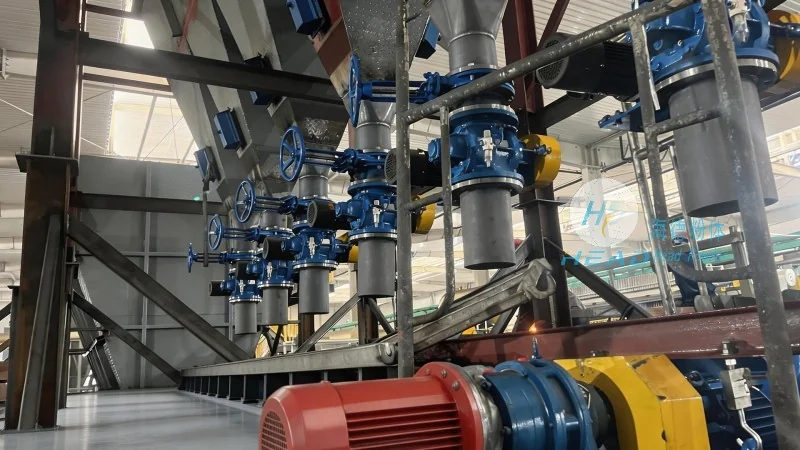
Overview of Dry Manure Powder Conveying Systems
A dry manure powder conveying system typically consists of several key components, including a collection hopper, a conveyor mechanism (such as a screw conveyor or pneumatic system), and a control unit. The system is engineered to handle dry, granular manure that has been processed to remove excess moisture, resulting in a powder-like consistency. This processing step is essential as it reduces the bulk density of the material, making it easier to transport without clogging or excessive energy consumption.
The Working Principle of the System
The core working principle of a dry manure powder conveying system revolves around the movement of the manure powder through a controlled environment. The process begins with the loading of the dry manure into the collection hopper. From there, the material is fed into the conveyor system, which may utilize either mechanical or pneumatic forces to transport it to the desired location. In a mechanical system, a screw or belt conveyor rotates to push the powder along a defined path. In a pneumatic system, compressed air is used to create a flow that carries the powder through pipes or ducts. The control unit plays a vital role by regulating the speed of the conveyor and the flow rate of the material, ensuring consistent and efficient operation.
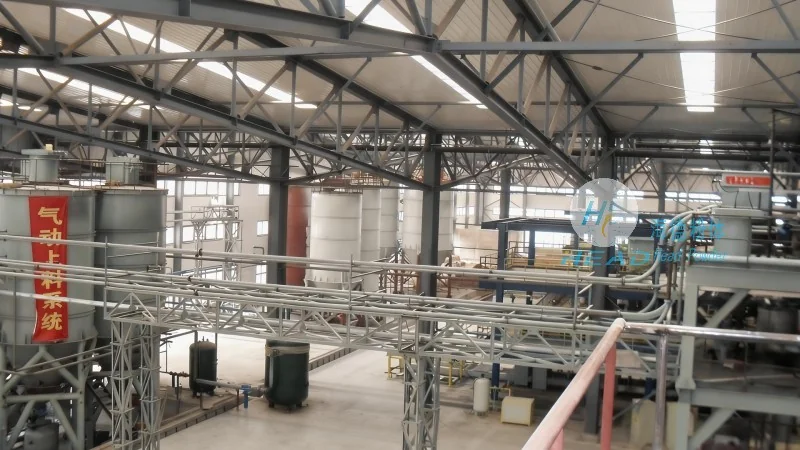
Key Features and Advantages
Several distinct features make dry manure powder conveying systems highly effective for agricultural applications. One of the primary advantages is their ability to handle dry, low-moisture manure without the need for additional drying equipment. This reduces operational costs and energy consumption compared to systems that require moisture removal before transport. Another key feature is the system's efficiency in terms of space utilization and energy usage. By minimizing the bulk volume of the manure through processing, the conveying system can transport larger quantities with less power input.
The system also offers flexibility in terms of layout and integration with other processing equipment. It can be customized to fit the specific needs of a farm or processing facility, allowing for easy integration with composting, pelletizing, or storage systems. Additionally, the design of the conveying components, such as the screw or pneumatic lines, is optimized to prevent clogging and ensure smooth operation, even with varying particle sizes and compositions.
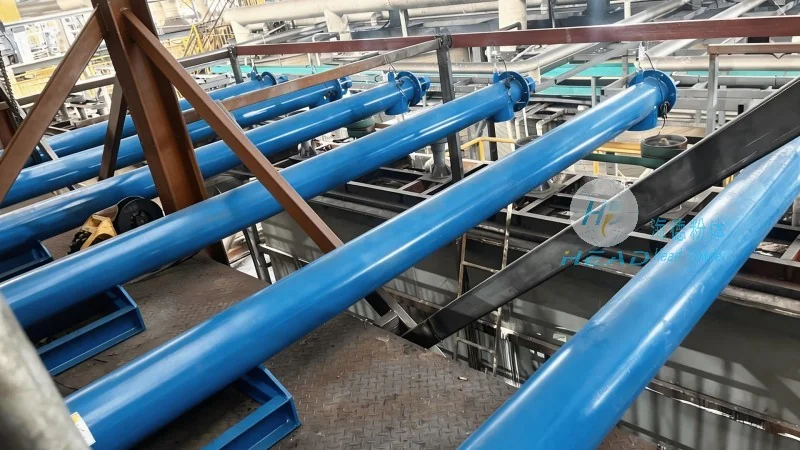
Company Information: Shandong HeadPowder Engineering Co., Ltd.
HeadPowder, a leading manufacturer in the field of agricultural processing equipment, specializes in developing and supplying high-quality dry manure powder conveying systems. With a focus on innovation and customer satisfaction, the company has established itself as a trusted partner for farms and processing facilities worldwide. HeadPowder's systems are engineered to meet the unique requirements of different agricultural operations, ensuring reliable performance and long-term durability.
HeadPowder Engineering Co., Ltd. is located in Shandong, China, a region known for its advanced manufacturing capabilities and strong presence in the agricultural machinery industry. The company's headquarters and production facilities are equipped with state-of-the-art technology and skilled personnel, enabling the development of cutting-edge solutions for agricultural waste management. By adhering to strict quality control standards, HeadPowder ensures that its products meet international specifications and deliver optimal performance in real-world applications.




