

Working Principle and Features of Ferrous Sulfate Pneumatic Conveyor
For industrial applications involving the handling of ferrous sulfate, efficient and reliable material transport is crucial. The ferrous sulfate pneumatic conveyor, a specialized equipment designed by Shandong HeadPowder Engineering Co., Ltd. (referred to as HeadPowder), offers an innovative solution to meet these demands. This article explores the working principle and key features of this equipment, providing insights into its operational efficiency and practical advantages.
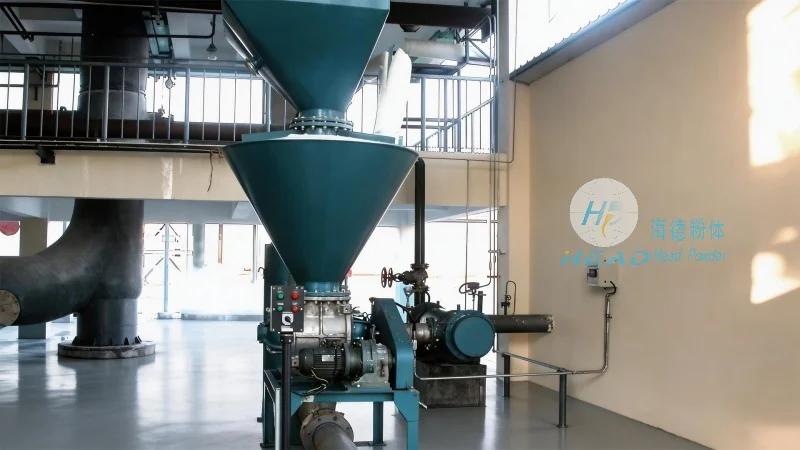
Introduction to Ferrous Sulfate Pneumatic Conveyors
Ferrous sulfate, commonly used in water treatment, agriculture, and chemical manufacturing, requires safe and effective handling to maintain product integrity and operational safety. The pneumatic conveyor system by HeadPowder addresses these needs by utilizing air pressure to transport ferrous sulfate particles through a sealed pipeline system. This method eliminates the need for mechanical components in direct contact with the material, reducing wear and contamination risks. As a leading manufacturer in China, HeadPowder specializes in customizing pneumatic conveyors tailored to specific industrial requirements, ensuring optimal performance for diverse applications.
Working Principle of Ferrous Sulfate Pneumatic Conveyors
The operation of a ferrous sulfate pneumatic conveyor is based on the fundamental principle of air movement and particle suspension. The system typically consists of a blower, a hopper for material storage, a pipeline network, and a discharge point. In the process, the blower generates a high-pressure airflow that draws ferrous sulfate from the hopper into the pipeline. The air velocity is maintained above the material's terminal velocity, ensuring that the particles remain suspended and transported to the destination. The system can operate in either suction or pressure modes, depending on the application requirements. For suction mode, the blower creates a negative pressure to draw material from the source; for pressure mode, the blower pushes air into the pipeline to force material forward. This dual-mode capability enhances flexibility in material handling, allowing for both horizontal and vertical transport with minimal energy consumption.
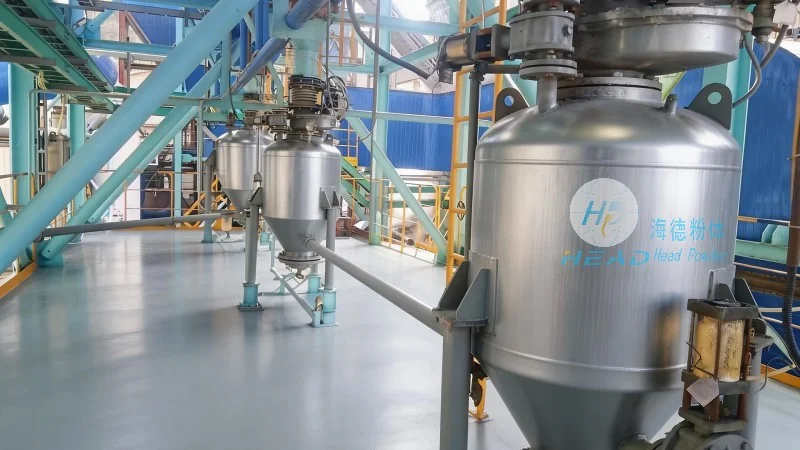
Key Features of Ferrous Sulfate Pneumatic Conveyors
The ferrous sulfate pneumatic conveyor developed by HeadPowder incorporates several advanced features that enhance its performance and reliability. Firstly, the system is designed for high efficiency, with optimized airflow and pressure control to minimize energy usage while maximizing material throughput. This efficiency is achieved through precise engineering of the blower and pipeline dimensions, ensuring that the air velocity remains consistent throughout the transport process. Secondly, the equipment is built with durability in mind, using corrosion-resistant materials such as stainless steel for components in contact with ferrous sulfate. This prevents material degradation and extends the equipment's service life, reducing maintenance costs over time. Thirdly, the conveyor is equipped with safety features, including pressure relief valves and automatic shut-off mechanisms, to prevent over-pressurization and ensure safe operation. Additionally, the system is designed for easy cleaning and maintenance, with removable sections and access points that allow for quick inspection and repair. These features collectively contribute to a low-maintenance operation, making the equipment suitable for continuous industrial use.
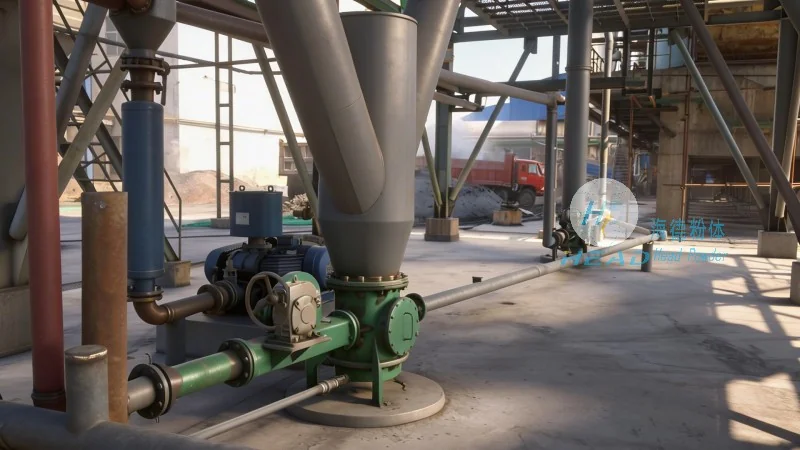
Technical Specifications and Application Considerations
HeadPowder's ferrous sulfate pneumatic conveyor is engineered to meet a range of technical specifications tailored to different industrial needs. The standard models can handle material capacities from 0.5 to 10 tons per hour, with adjustable airflow rates to accommodate varying production demands. The system operates at pressures ranging from 0.5 to 1.5 bar, depending on the transport distance and elevation changes. The pipeline diameter typically ranges from 50 to 200 mm, with longer transport distances requiring larger diameters to maintain airflow efficiency. In terms of application considerations, the conveyor is suitable for both indoor and outdoor installations, with options for vertical lift heights up to 50 meters and horizontal distances up to 200 meters. The equipment is particularly effective in environments where dust control is critical, as the sealed pipeline system prevents particle dispersion and maintains air quality. Furthermore, the conveyor can be integrated with other processing equipment, such as mixers or reactors, to form a complete production line, enhancing overall operational efficiency.
Conclusion and Company Information
In conclusion, the ferrous sulfate pneumatic conveyor by Shandong HeadPowder Engineering Co., Ltd. represents a reliable and efficient solution for the transport of ferrous sulfate in industrial settings. By leveraging pneumatic technology, the equipment offers advantages such as reduced contamination, improved safety, and lower maintenance requirements compared to traditional mechanical conveyors. The working principle, based on air suspension and pressure control, ensures consistent and reliable material transport, while the key features, including durability and safety, enhance long-term operational performance. HeadPowder, with its headquarters in Shandong, China, specializes in manufacturing customized pneumatic conveyor systems that meet the specific needs of various industries. The company's commitment to quality and innovation ensures that its products deliver superior performance and value to customers. For industrial applications requiring efficient handling of ferrous sulfate, the pneumatic conveyor from HeadPowder is a proven and effective choice.