

Working Principle and Features of Plug Flow Pneumatic Conveying System Equipment
For industries seeking efficient and reliable material handling solutions, the plug flow pneumatic conveying system stands out as a sophisticated technology designed to transport bulk materials with precision and control. This article delves into the working principle and key features of such systems, highlighting their applications and benefits in various industrial sectors.
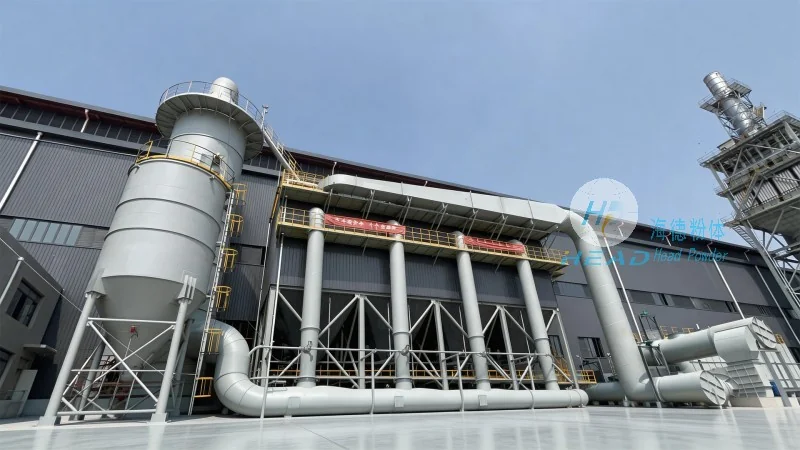
Introduction to Plug Flow Pneumatic Conveying Systems
HeadPowder, a leading manufacturer based in Shandong, China, specializes in the design, development, and implementation of advanced pneumatic conveying systems. The plug flow system is a critical component in material handling, offering a seamless method to move powders and granules from one location to another without the need for mechanical components like belts or buckets. This system is particularly valuable in industries where material purity, low contamination, and gentle handling are paramount.
Working Principle of Plug Flow Pneumatic Conveying Systems
The core mechanism of a plug flow pneumatic conveying system revolves around the creation of a "plug"—a compact, dense column of material that moves through a pipeline under the influence of compressed air. The process begins with the material being fed into the system, typically from a hopper or feeder, where it forms a solid plug. Compressed air is then introduced at the discharge end, creating a pressure differential that propels the plug forward. As the plug travels through the pipeline, it maintains its integrity, ensuring minimal mixing with the air and preventing material degradation or segregation.
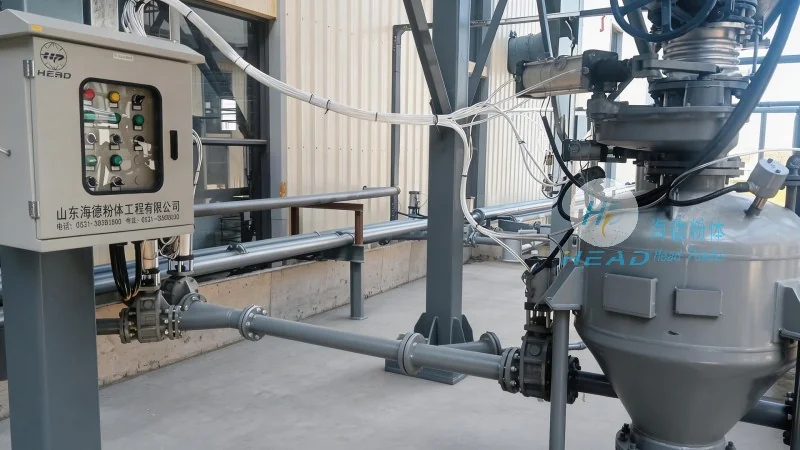
Key components of the system include the feeding unit, which controls the material flow rate, the conveying pipeline, and the air supply system. The feeding unit ensures a consistent material feed, while the pipeline's design—often with a slight upward slope—helps maintain the plug's structure by preventing material settling. The air supply system provides the necessary pressure and volume to move the plug efficiently. The entire process is controlled by a system of valves, sensors, and control panels that monitor pressure, flow rate, and material level, ensuring optimal operation.
Key Features and Advantages of Plug Flow Pneumatic Conveying Systems
Plug flow pneumatic conveying systems offer several distinct advantages that make them ideal for a wide range of applications. One of the most significant features is the ability to handle sensitive materials without causing degradation or contamination. The system's design minimizes material exposure to air, reducing the risk of oxidation or moisture absorption, which is crucial for pharmaceuticals, food products, and chemicals. Additionally, the plug flow method ensures gentle handling, preventing particle breakage or agglomeration, which is essential for maintaining product quality.
Another notable feature is the system's flexibility and adaptability. Plug flow systems can be configured to handle various material types, including powders, granules, and even fine particles, with different feeding rates and pipeline lengths. The modular design allows for easy expansion or integration with existing facilities, making it a cost-effective solution for both new and retrofit projects. Furthermore, the system's low maintenance requirements and energy efficiency contribute to long-term operational savings.
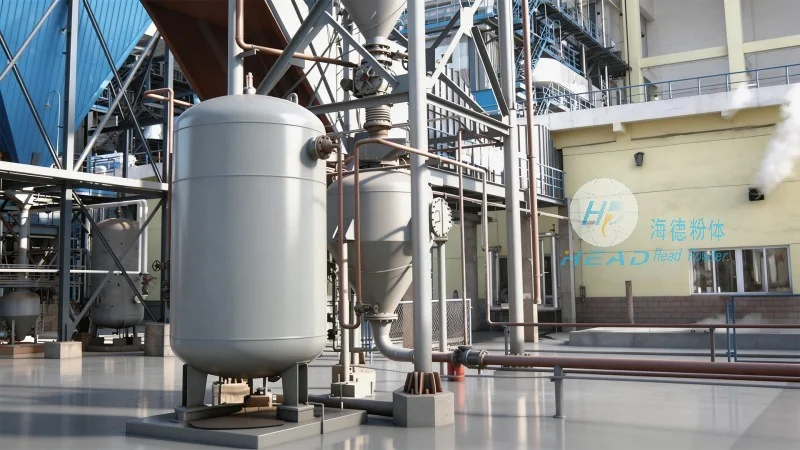
Applications and Industries Benefiting from Plug Flow Systems
The versatility of plug flow pneumatic conveying systems makes them suitable for numerous industries. In the pharmaceutical sector, these systems are used to transport active pharmaceutical ingredients (APIs) and excipients with strict purity standards. The food industry relies on plug flow systems to handle powders like flour, sugar, and spices, ensuring product safety and quality. Chemical manufacturers use these systems for transporting chemicals, solvents, and other hazardous materials, where containment and minimal exposure to air are critical. Additionally, the system is widely used in the cement, mining, and agricultural sectors for handling bulk materials like cement, ore, and grain.
Conclusion and Company Overview
Plug flow pneumatic conveying systems represent a sophisticated solution for efficient material handling, offering benefits such as gentle handling, low contamination, and high efficiency. HeadPowder, with its headquarters in Shandong, China, is committed to providing customized solutions tailored to the specific needs of each industry. By leveraging advanced technology and expertise, HeadPowder ensures that its plug flow systems meet the highest standards of performance and reliability, helping businesses optimize their material handling processes and enhance overall productivity.