

What is Flower Biomass Pneumatic Conveying Equipment? Understanding Its Design Principles
Flower biomass, a renewable energy source derived from various flower-based organic materials, plays a crucial role in sustainable energy production and environmental management. The efficient handling and transportation of these biomass materials are essential for optimizing processing workflows and ensuring consistent performance in industrial applications. Pneumatic conveying systems have emerged as a key technology for transporting flower biomass, offering advantages such as low maintenance, minimal product contamination, and the ability to handle a wide range of particle sizes and moisture contents. This article explores the concept of flower biomass pneumatic conveying equipment and delves into the underlying design principles that enable its effective operation.
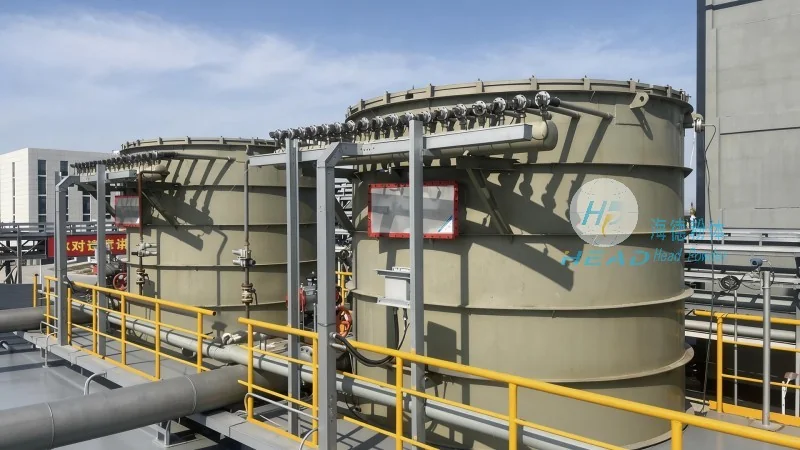
Understanding Flower Biomass Pneumatic Conveying Equipment
Flower biomass pneumatic conveying equipment is a specialized system designed to transport flower-derived organic materials through a pipeline using compressed air or other gas streams. Unlike traditional mechanical conveyors, which rely on physical contact and friction to move materials, pneumatic conveying systems utilize the force of air to lift, transport, and discharge the biomass. This method is particularly suitable for delicate or friable flower biomass, as it minimizes the risk of product degradation and maintains the integrity of the material during handling.
Key Components of Pneumatic Conveying Systems
The design of a flower biomass pneumatic conveying system typically involves several critical components that work in tandem to ensure efficient material transport. These components include a material feeder, which introduces the flower biomass into the system; a conveying line, which is the main pipeline through which the material travels; a pressure vessel or receiver, which collects the material at the end of the line; and a control system that regulates the air flow and pressure. Additionally, some systems may incorporate a dust collector or filter to manage airborne particles and maintain air quality. Each component is carefully selected and sized based on the specific characteristics of the flower biomass being handled, such as particle size distribution, moisture content, and bulk density.
Design Principles for Efficient Flower Biomass Conveying
The design principles of flower biomass pneumatic conveying equipment are centered on optimizing the interaction between the material and the air stream to achieve maximum transport efficiency while minimizing energy consumption and wear on system components. One of the primary design considerations is the selection of the appropriate conveying velocity and pressure. Higher velocities can increase the conveying capacity but may also lead to increased energy costs and higher wear on the pipeline and valves. Conversely, lower velocities may result in lower capacity but reduced energy consumption and less wear. Engineers typically use empirical formulas or computational fluid dynamics (CFD) simulations to determine the optimal velocity and pressure for a given material and system configuration.
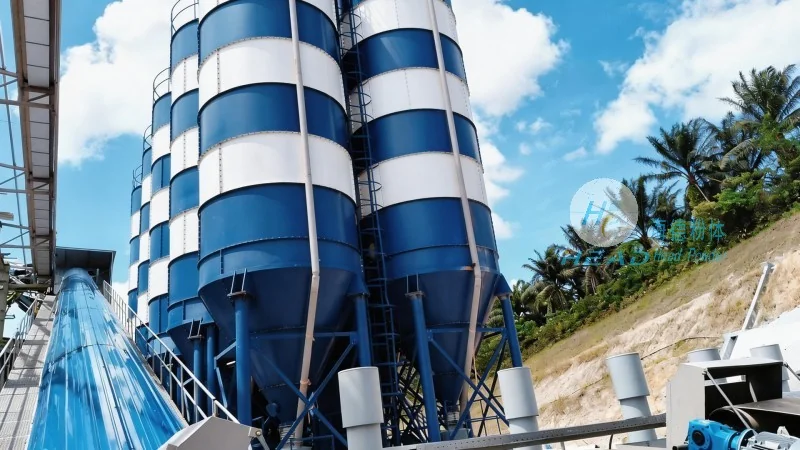
Another critical design principle is the consideration of the material's physical properties. Flower biomass often has a wide range of particle sizes, from fine powders to larger flakes or pellets. The design must account for this variability to ensure that all particles are effectively conveyed without causing blockages or excessive pressure drops. This may involve using a combination of conveying methods, such as dilute-phase or dense-phase transport, depending on the material's characteristics. Dilute-phase conveying, which uses low air-to-material ratios, is suitable for fine powders and light materials, while dense-phase conveying, which uses higher air-to-material ratios, is better for handling larger particles or materials with higher bulk densities.
Material Feeder and Inlet Design
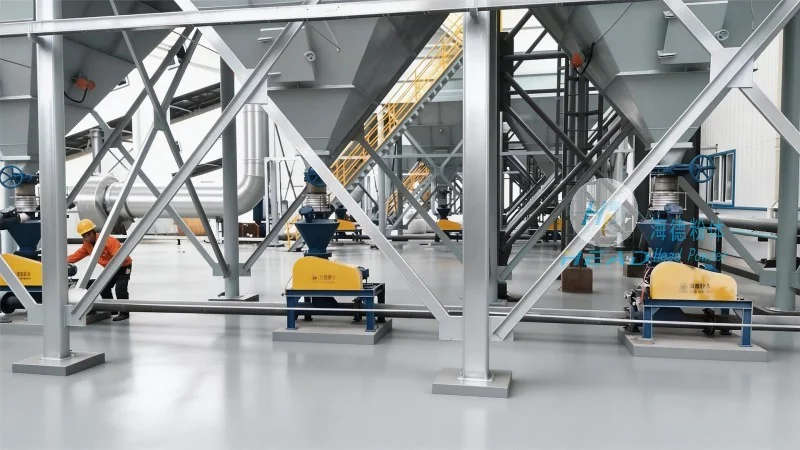
The material feeder is a critical component that determines the uniformity and consistency of the material entering the conveying line. For flower biomass, which can be prone to bridging or caking, the feeder must be designed to prevent these issues and ensure a steady flow of material. Common feeder types include rotary valves, screw feeders, and vibratory feeders. The choice of feeder depends on the material's flow characteristics and the required conveying rate. The inlet design of the conveying line is also important, as it must minimize the risk of air leakage and ensure that the material is introduced smoothly into the air stream. Proper inlet design helps to reduce pressure losses and prevent material buildup at the entry point.
Conveying Line and Pressure Management
The conveying line is typically made of materials such as stainless steel, plastic, or rubber, depending on the corrosiveness and abrasiveness of the flower biomass. Stainless steel is often preferred for its durability and resistance to corrosion, especially when handling materials with high moisture content or acidic properties. The line diameter and length are carefully selected to balance the conveying capacity with the pressure drop across the system. Pressure management is a key aspect of the design, as excessive pressure can lead to equipment failure or material degradation, while insufficient pressure may result in poor conveying performance. The system may include pressure regulators, valves, and sensors to monitor and control the air pressure throughout the conveying process.
Receiver and Discharge System
The receiver, or pressure vessel, is the final component of the pneumatic conveying system where the flower biomass is collected. It is designed to handle the pressure and volume of the conveyed material and may include features such as a hopper or silo for storage. The discharge system, which includes valves and outlets, is responsible for releasing the material from the receiver in a controlled manner. Proper design of the receiver and discharge system is essential to prevent material spillage, maintain air quality, and ensure that the material is discharged without causing blockages or pressure surges. Some systems may incorporate a dust collection system to capture any airborne particles and prevent environmental contamination.
Control and Monitoring Systems
Modern flower biomass pneumatic conveying equipment often includes advanced control and monitoring systems to optimize performance and ensure safety. These systems may include sensors to monitor pressure, flow rate, and temperature, as well as control valves and actuators to adjust the air flow and pressure in real-time. The control system can be programmed to respond to changes in material characteristics or system conditions, such as a sudden increase in pressure or a decrease in flow rate. This allows for adaptive operation, which helps to maintain optimal conveying conditions and reduce energy consumption. Additionally, the monitoring system can provide data for maintenance and troubleshooting, helping to identify potential issues before they lead to system failures.
Applications and Benefits of Flower Biomass Pneumatic Conveying
Flower biomass pneumatic conveying equipment is widely used in various industrial applications, including the production of biofuels, composting, and the processing of flower-based products. The advantages of this technology include its ability to handle delicate materials without damage, its low maintenance requirements, and its flexibility in accommodating different material types and flow rates. Compared to traditional mechanical conveyors, pneumatic systems can reduce product loss and contamination, which is particularly important for flower biomass used in food or pharmaceutical applications. The system's ability to transport materials over long distances without the need for intermediate storage or handling also improves overall process efficiency.
Conclusion
Flower biomass pneumatic conveying equipment is a sophisticated technology that plays a vital role in the efficient handling and transportation of flower-derived organic materials. The design principles behind these systems are centered on optimizing the interaction between the material and the air stream, considering the material's physical properties, and ensuring the reliability and safety of the system. By carefully selecting and integrating the key components, such as the material feeder, conveying line, receiver, and control system, engineers can develop systems that meet the specific requirements of flower biomass processing. The use of advanced control and monitoring technologies further enhances the performance and efficiency of these systems, making them a preferred choice for industries seeking sustainable and reliable material handling solutions. Shandong HeadPowder Engineering Co., Ltd., a leading manufacturer of pneumatic conveying equipment, specializes in designing and producing systems tailored to the unique needs of flower biomass processing. With years of experience in the industry, the company has developed advanced solutions that optimize material handling while minimizing energy consumption and wear on components. The company's commitment to quality and innovation ensures that its equipment meets the highest standards of performance and reliability, making it a trusted partner for businesses in the flower biomass sector.