

What is a Rice Husk Material Pneumatic Conveying Equipment? What are its Design Principles?
For industries dealing with rice husk processing, the selection of an efficient material handling system is crucial. A pneumatic conveying system specifically designed for rice husk material offers a reliable solution to transport this lightweight, abrasive, and often dusty material. This article explores the concept of a rice husk material pneumatic conveying equipment and delves into its fundamental design principles, providing insights into how such systems operate and why they are essential in modern processing facilities. The information is provided by Shandong HeadPowder Engineering Co., Ltd., a leading manufacturer of material handling equipment based in China.
Introduction to Rice Husk Material Pneumatic Conveying Equipment
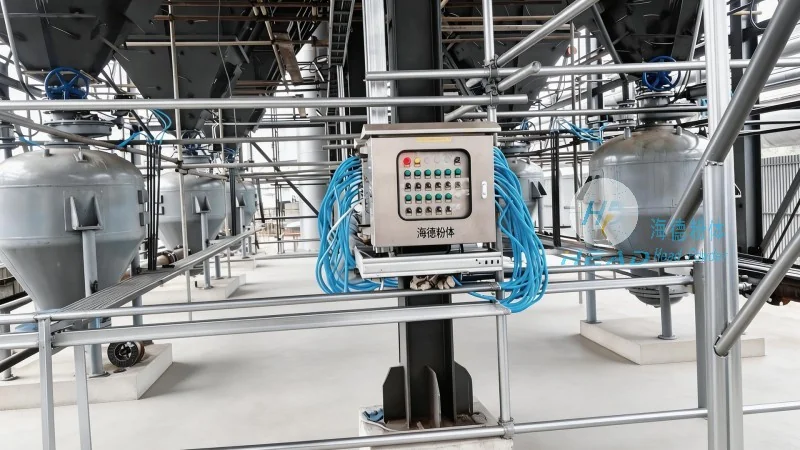
Rice husk, a byproduct of rice milling, is rich in silica and has a high bulk density, making it challenging to handle using traditional methods like belt conveyors or bucket elevators. Pneumatic conveying equipment, which uses air pressure to move materials through a pipeline, addresses these challenges effectively. The system typically consists of a hopper, a feeder, a conveying line, and a receiver, all working in tandem to transport rice husk from one location to another within a processing plant. The equipment is engineered to handle the unique properties of rice husk, such as its light weight, tendency to form dust, and abrasive nature, ensuring minimal wear and tear on components.
Key Components and Their Functions
The design of a rice husk material pneumatic conveying system involves several critical components, each playing a vital role in the overall operation. The hopper serves as the storage and feeding unit, where rice husk is collected and prepared for transport. It is usually equipped with a vibratory feeder or a rotary valve to control the flow rate of the material into the conveying line. The feeder ensures a consistent and controlled feed, preventing blockages and maintaining system efficiency. The conveying line, often made of stainless steel or other corrosion-resistant materials, is the main pathway for the material and air mixture. It is designed to withstand the abrasive nature of rice husk and the pressure differentials required for effective transport. The receiver, located at the destination point, collects the conveyed rice husk and discharges it into a storage or processing unit. It may include a dust collection system to capture any airborne particles and maintain air quality.
Design Principles for Efficient Pneumatic Conveying
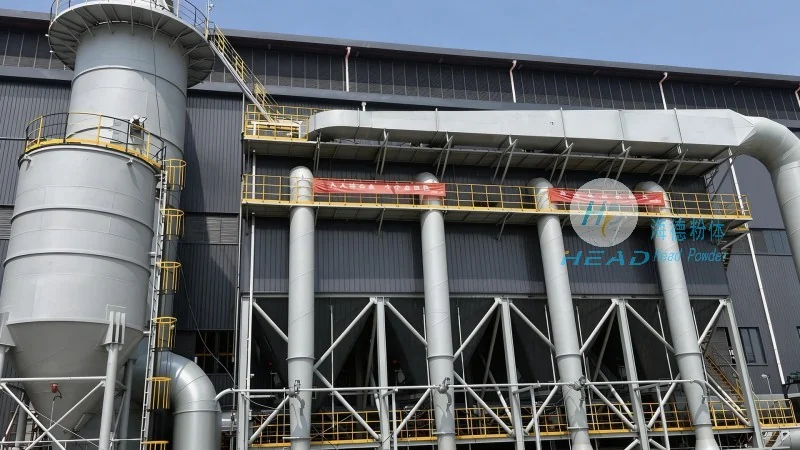
The design principles of a rice husk material pneumatic conveying equipment are centered on maximizing efficiency, minimizing energy consumption, and ensuring durability. One of the primary principles is the selection of the appropriate conveying velocity. The velocity must be high enough to prevent material settling or clogging in the pipeline but low enough to avoid excessive wear on the equipment components. The system typically operates at velocities ranging from 20 to 30 meters per second, depending on the material characteristics and pipeline length. Another key principle is the use of a positive pressure or negative pressure system. Positive pressure systems, where air is blown into the conveying line, are commonly used for short to medium distances and are effective for handling light materials like rice husk. Negative pressure systems, where air is drawn from the line, are suitable for longer distances and can handle more material volume. The design also considers the pressure drop across the system, which is influenced by the pipeline length, diameter, and the number of bends or fittings. Proper sizing of the pipeline and the use of smooth, low-friction materials are essential to minimize pressure losses and ensure consistent flow.
Advantages of Using Pneumatic Conveying for Rice Husk
Compared to traditional material handling methods, pneumatic conveying offers several advantages when dealing with rice husk. Firstly, it provides a dust-free and enclosed transport system, which is crucial for maintaining air quality and preventing contamination of the material. This is particularly important in food processing facilities where hygiene is a top priority. Secondly, the system is highly flexible, allowing for changes in the layout of the processing plant without major modifications. The conveying lines can be easily reconfigured or extended to accommodate new equipment or process changes. Thirdly, pneumatic conveying reduces the need for manual handling, improving safety and reducing labor costs. The enclosed system also minimizes the risk of material spillage and loss, which can be significant with rice husk due to its light weight and tendency to scatter. Additionally, the equipment is relatively compact, saving valuable floor space in processing facilities.
Applications and Industries
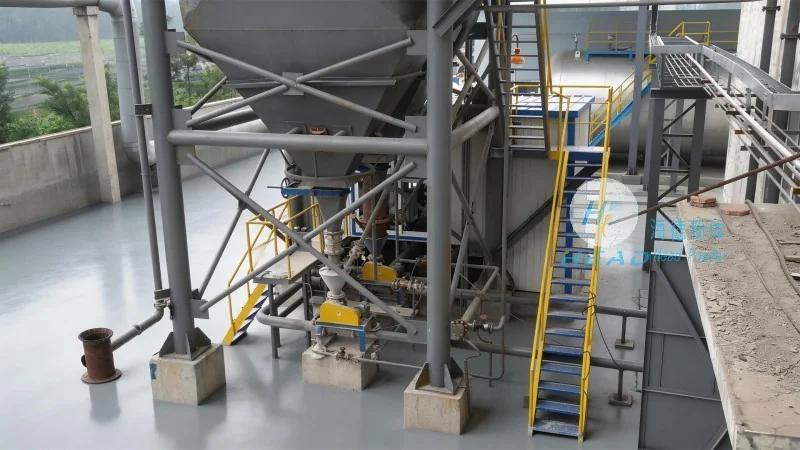
Rice husk material pneumatic conveying equipment is widely used in various industries that process rice husk. The primary application is in the production of rice husk ash, which is used as a fuel in power plants and as a raw material in the manufacturing of building materials like bricks and cement. The equipment is also used in the production of activated carbon from rice husk, where the material needs to be transported to reactors for carbonization. Other applications include the processing of rice husk for animal feed, where the material is mixed with other ingredients, and in the production of biochar, a carbon-rich material used in soil amendment. The versatility of the pneumatic conveying system makes it suitable for a range of applications, from small-scale processing plants to large industrial facilities.
Conclusion
In conclusion, a rice husk material pneumatic conveying equipment is a sophisticated system designed to handle the unique challenges of transporting rice husk. Its design principles, centered on efficiency, durability, and flexibility, make it an essential component in modern rice processing facilities. By understanding the key components and operational principles, industries can optimize their material handling processes, improve productivity, and ensure compliance with environmental and safety standards. As the demand for rice husk-based products continues to grow, the importance of reliable and efficient pneumatic conveying systems will only increase, making them a critical investment for any rice processing operation.