

What is Caustic Soda Material Pneumatic Conveying Equipment? What Are Its Design Principles?
Caustic soda, also known as sodium hydroxide, is a highly caustic and reactive chemical widely used in various industrial processes. The efficient and safe handling of caustic soda materials is crucial for industrial operations, and pneumatic conveying equipment has emerged as a reliable solution for transporting these materials. This article explores the concept of caustic soda material pneumatic conveying equipment and delves into its design principles, highlighting the technology's role in modern industrial applications.
Introduction to Caustic Soda Material Pneumatic Conveying Equipment
Caustic soda material pneumatic conveying equipment is a system designed to transport caustic soda in bulk form from one location to another using a gas stream, typically air or other inert gases. This method offers several advantages over traditional mechanical conveying systems, such as reduced risk of material contamination, improved safety due to enclosed transport, and the ability to handle materials in a dust-free environment. The equipment is particularly suitable for applications where caustic soda is used in large quantities, such as in chemical manufacturing, water treatment, and food processing industries.
Key Components of the Pneumatic Conveying System
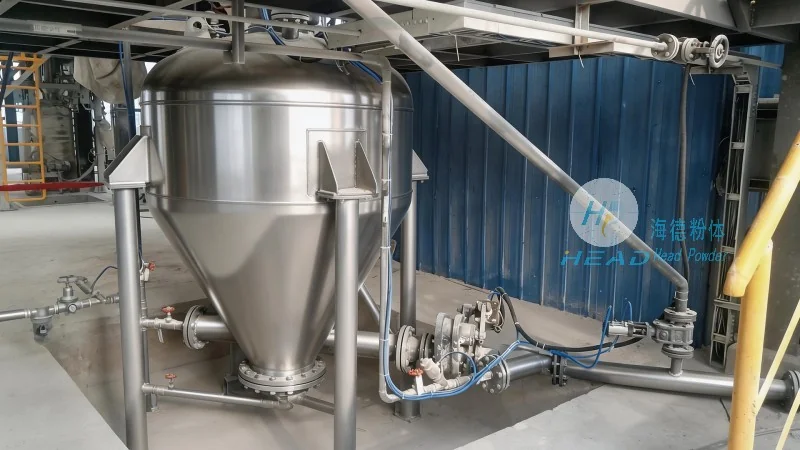
The caustic soda material pneumatic conveying system consists of several critical components that work together to ensure efficient and safe material transport. These components include a material feed hopper, a conveying line (often equipped with pressure or vacuum pumps), a receiver or discharge hopper, and control systems for regulating the flow and pressure. The material feed hopper is responsible for storing and feeding the caustic soda into the conveying line, while the pump generates the necessary pressure or vacuum to move the material through the system. The receiver hopper collects the material at the destination, and control systems monitor and adjust the system parameters to maintain optimal performance.
Design Principles for Caustic Soda Material Pneumatic Conveying
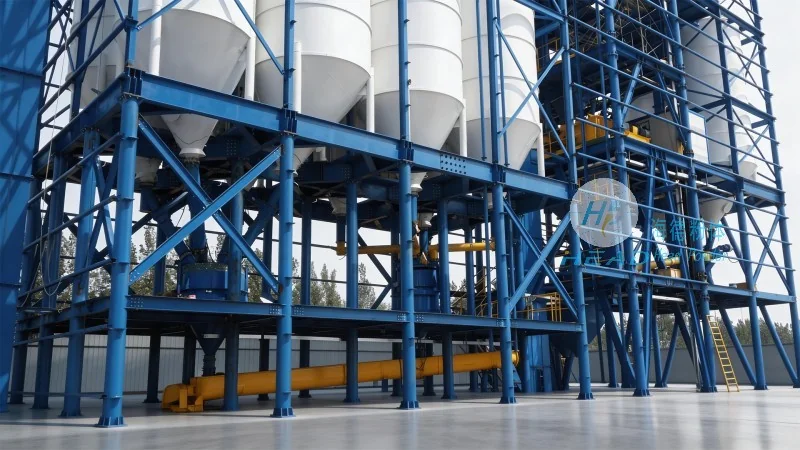
The design of caustic soda material pneumatic conveying equipment follows specific principles to ensure durability, efficiency, and safety. One of the primary design considerations is material compatibility, as caustic soda is highly corrosive and can damage certain materials. Therefore, the equipment is typically constructed from corrosion-resistant materials such as stainless steel, which can withstand the chemical's effects and prolong the system's lifespan. Another key design principle is the optimization of gas flow and pressure to achieve the desired conveying velocity without causing excessive wear or energy consumption. The system is also designed to minimize material degradation and ensure that the caustic soda remains in a stable state during transport, preventing caking or agglomeration that could lead to blockages or system failures.
Advantages of Using Pneumatic Conveying for Caustic Soda
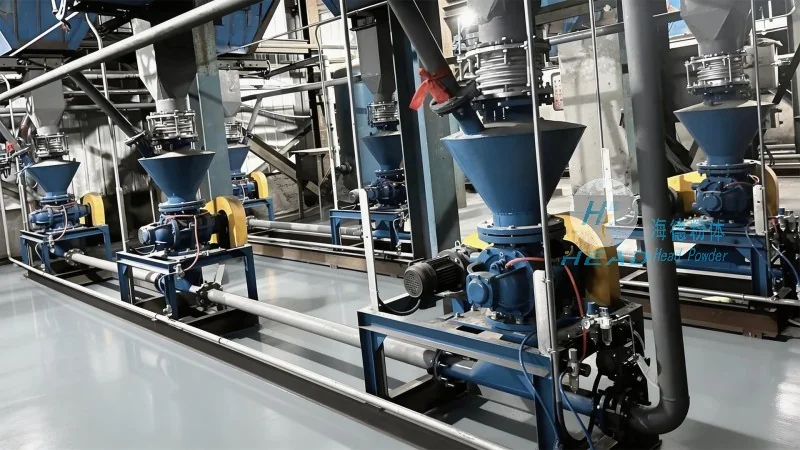
Implementing a pneumatic conveying system for caustic soda offers numerous benefits that enhance operational efficiency and safety. One of the most significant advantages is the enclosed transport, which eliminates the risk of dust exposure and environmental contamination. This is particularly important for caustic soda, as it can be hazardous if inhaled or come into contact with skin. Additionally, pneumatic conveying systems can handle materials in a continuous or batch mode, providing flexibility in production processes. The technology also reduces the need for manual handling, minimizing the risk of accidents and improving workplace safety. Furthermore, the system's ability to transport caustic soda over long distances without the need for intermediate storage points can streamline production workflows and improve overall operational efficiency.
Application Examples in Industrial Settings
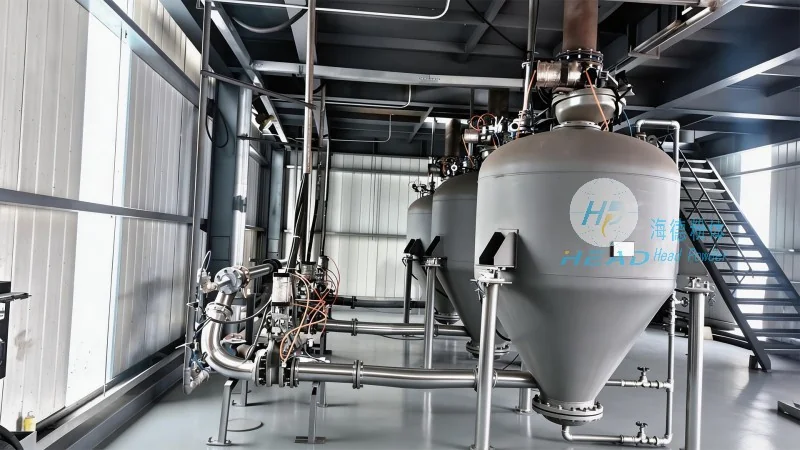
Caustic soda material pneumatic conveying equipment is widely used in various industrial applications where caustic soda is a key component. For instance, in chemical manufacturing plants, the equipment is used to transport caustic soda from storage tanks to reactors or processing units, ensuring a consistent and controlled supply of the material. In water treatment facilities, pneumatic conveying systems are employed to transport caustic soda for pH adjustment and chemical treatment processes, maintaining water quality standards. The equipment is also utilized in the food processing industry, where caustic soda is used for cleaning and processing purposes, and the enclosed system prevents cross-contamination and ensures product safety. These applications highlight the versatility and reliability of pneumatic conveying technology in handling caustic soda materials efficiently and safely.
Conclusion and Company Overview
In conclusion, caustic soda material pneumatic conveying equipment is a vital technology for the safe and efficient transport of this critical chemical. The design principles, including material compatibility, optimized gas flow, and enclosed transport, ensure that the system operates reliably and meets the demands of modern industrial processes. As industries continue to rely on caustic soda for various applications, the importance of advanced conveying systems cannot be overstated. Shandong HeadPowder Engineering Co., Ltd., a leading provider of such equipment, specializes in designing and manufacturing high-quality pneumatic conveying systems tailored to the specific needs of industrial clients. With a focus on durability, efficiency, and safety, the company's solutions help industries optimize their operations and ensure the safe handling of caustic soda materials. The address of Shandong HeadPowder Engineering Co., Ltd. is in Shandong, China, where the company is committed to delivering innovative and reliable solutions for material handling challenges.