

What is PTA Powder Material Pneumatic Conveying Equipment? And What Are Its Design Principles?
PTA (polyethylene terephthalate acid) powder is a critical raw material in the production of polyester fibers and resins, widely used in textiles, packaging, and other industries. Handling PTA powder efficiently and safely is essential for industrial operations, and pneumatic conveying equipment has emerged as a preferred solution. This equipment uses air or gas to transport PTA powder from one location to another, offering advantages such as dust-free operation, reduced material degradation, and improved process control. Understanding the design principles and functionality of PTA powder pneumatic conveying equipment is crucial for optimizing material handling in modern manufacturing.
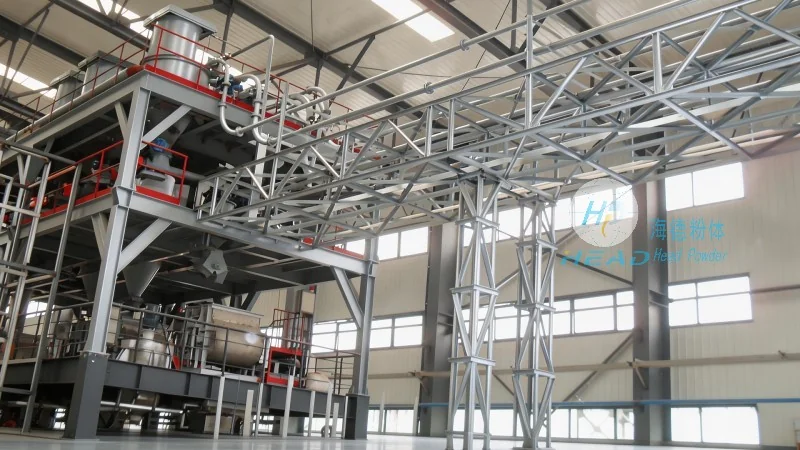
Company Overview: Shandong HeadPowder Engineering Co., Ltd.
HeadPowder, the brand name of Shandong HeadPowder Engineering Co., Ltd., is a leading manufacturer specializing in powder handling solutions. With a strong presence in China, particularly in Shandong province, the company has built a reputation for delivering high-quality, reliable pneumatic conveying systems tailored to the unique needs of PTA powder processing. HeadPowder's expertise lies in designing equipment that ensures efficient, safe, and cost-effective material transport, supporting clients in enhancing their production efficiency and maintaining product integrity.
Understanding PTA Powder Material and Its Handling Challenges
PTA powder is characterized by its fine particle size, hygroscopic nature, and potential for static electricity, which can pose challenges during handling. Traditional methods like bucket elevators or belt conveyors may lead to material degradation, dust generation, and increased maintenance costs. PTA powder pneumatic conveying systems address these challenges by utilizing air to transport the powder in a closed system, minimizing exposure to air and reducing the risk of contamination. The equipment is designed to handle the specific properties of PTA powder, ensuring that the material remains in optimal condition throughout the conveying process.
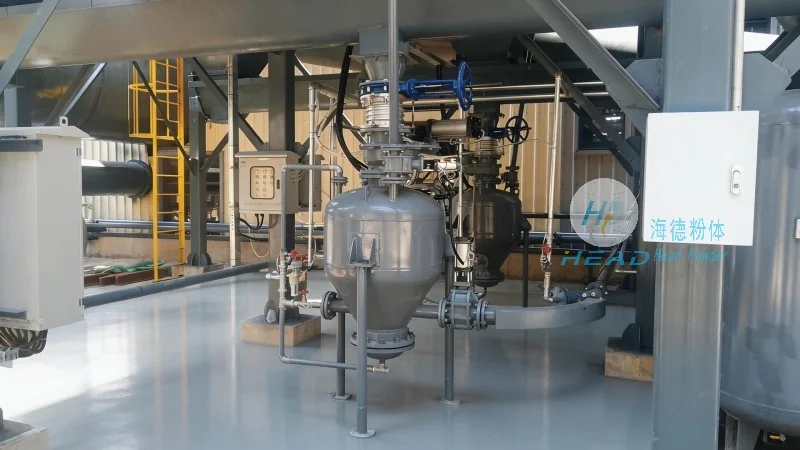
Core Components of PTA Powder Pneumatic Conveying Systems
A typical PTA powder pneumatic conveying system consists of several key components that work in tandem to achieve efficient material transport. These include a hopper or feeder to store and feed the powder, a compressor or blower to generate the necessary air pressure, a pipeline system to guide the powder-air mixture, and a receiver or discharge unit to collect the material at the destination. Each component is carefully engineered to handle the unique characteristics of PTA powder, ensuring smooth operation and minimal downtime. The hopper design, for example, may incorporate anti-static features and airtight seals to prevent powder spillage and moisture absorption. The compressor is selected based on the required air volume and pressure, ensuring sufficient force to move the PTA powder through the pipeline without excessive energy consumption.
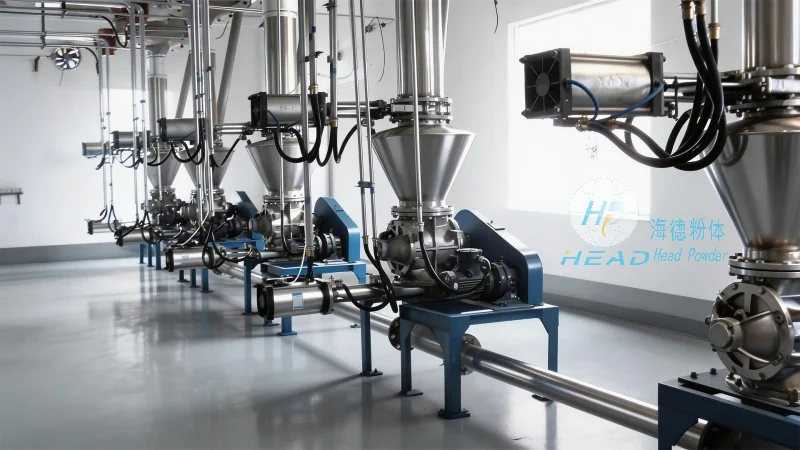
Design Principles for Efficient PTA Powder Conveyance
The design of PTA powder pneumatic conveying equipment follows several fundamental principles to ensure optimal performance. One key principle is the selection of appropriate air velocity and pressure, which must be sufficient to overcome the resistance of the powder particles and the pipeline. The air velocity is typically maintained at a level that prevents particle segregation and ensures uniform flow, while the pressure is adjusted to minimize energy consumption and avoid excessive wear on components. Another important principle is the use of a closed system, which prevents dust emissions and maintains a controlled environment. The system is also designed to handle variations in powder flow, such as changes in bulk density or moisture content, by incorporating adjustable feed mechanisms and pressure sensors. These design considerations ensure that the PTA powder is conveyed efficiently and safely, meeting the demands of modern industrial applications.
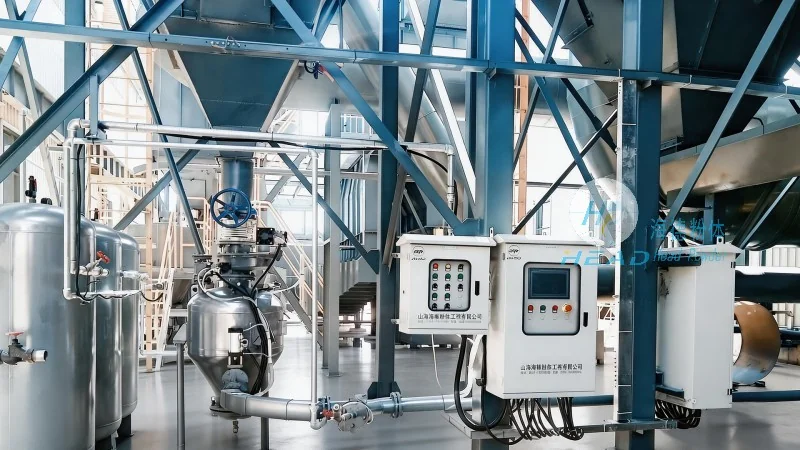
Advantages of PTA Powder Pneumatic Conveying Equipment
PTA powder pneumatic conveying equipment offers several advantages over traditional handling methods. Firstly, it provides a dust-free operation, which enhances workplace safety and reduces the risk of respiratory issues for operators. The closed system also prevents contamination of the powder with external particles, maintaining product purity. Secondly, the equipment minimizes material degradation by reducing friction and impact during transport, ensuring that the PTA powder retains its quality and performance characteristics. Thirdly, pneumatic conveying systems are more flexible and adaptable, allowing for changes in the conveying route or destination without major modifications. This flexibility is particularly beneficial in dynamic production environments where material flow requirements may change. Additionally, the equipment is energy-efficient compared to some other methods, as it uses compressed air to move the powder, which can be optimized for lower energy consumption.
Application Scenarios and Industry Relevance
PTA powder pneumatic conveying equipment is widely used in various industries that rely on PTA as a raw material. In the textile industry, for example, the equipment is used to transport PTA powder from storage to production lines, where it is converted into polyester fibers. In the packaging industry, it is used to move PTA powder to resin manufacturing facilities, where it is processed into plastic containers and films. The equipment is also used in chemical and petrochemical industries for the handling of other fine powders, demonstrating its versatility and reliability. The application of PTA powder pneumatic conveying equipment has become essential for maintaining high production standards and ensuring the quality of end products in these industries.