

[WTTLE]Working Principle and Features of PVC Resin Pneumatic Conveying Lines
When it comes to the efficient and reliable transportation of PVC resin, pneumatic conveying systems have emerged as a preferred solution in industrial applications. These systems offer a flexible and effective method for moving bulk materials like PVC resin from one location to another, ensuring smooth operations in manufacturing processes. This article delves into the working principle and key features of PVC resin pneumatic conveying lines, highlighting how they contribute to enhanced productivity and operational efficiency.
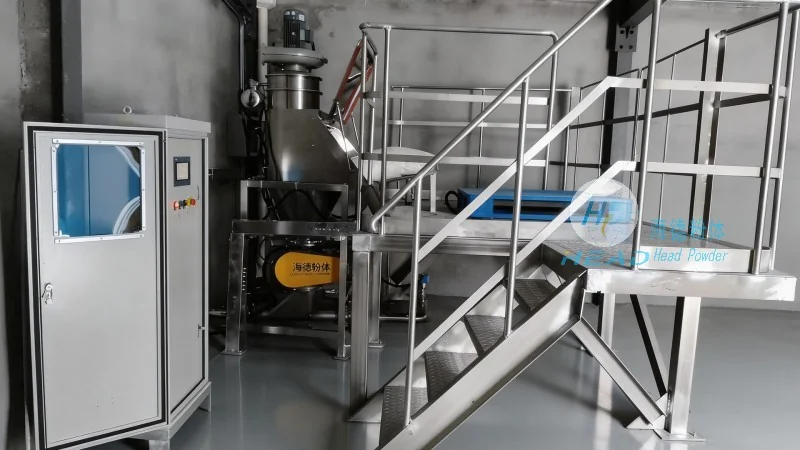
Shandong HeadPowder Engineering Co., Ltd., a leading manufacturer based in China, specializes in the design, fabrication, and installation of advanced pneumatic conveying systems tailored to meet the specific needs of various industries. With a focus on quality and innovation, the company has established itself as a trusted partner for businesses seeking reliable material handling solutions.
Working Principle of PVC Resin Pneumatic Conveying Systems
PVC resin pneumatic conveying systems operate on the fundamental principle of using compressed air or other gases to transport bulk materials through a network of pipes. The process typically involves several key components, each playing a crucial role in the overall operation. At the core of the system is an air compressor, which generates the necessary pressure to move the material. The PVC resin is then introduced into the system, either by gravity or through a hopper, and is mixed with the air stream. As the air flows through the pipes, it carries the resin particles along, ensuring consistent and continuous movement. The system may include various components such as a feeder, a filter, and a separator to manage the flow and prevent material buildup or contamination.
The working principle can be further broken down into different types of pneumatic conveying, including dilute phase and dense phase systems. Dilute phase systems use lower air velocities and are suitable for transporting materials over shorter distances or in lighter loads. Dense phase systems, on the other hand, employ higher air pressures and velocities to move materials more efficiently, especially over longer distances or with higher material loads. The choice between these systems depends on the specific requirements of the application, including the characteristics of the PVC resin, the distance to be covered, and the desired flow rate.
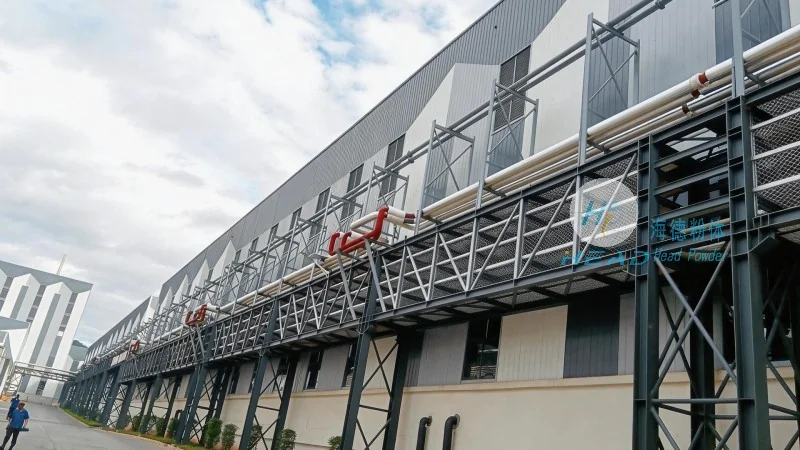
Key Features of PVC Resin Pneumatic Conveying Systems
One of the most significant advantages of PVC resin pneumatic conveying systems is their ability to provide a clean and dust-free environment for material handling. Unlike traditional methods that may involve manual handling or mechanical conveyors, pneumatic systems minimize the risk of contamination and ensure that the PVC resin remains in its original state. This is particularly important in industries where product purity is critical, such as in the production of PVC products for construction or automotive applications.
Another key feature is the high efficiency and speed of material transport. Pneumatic conveying systems can move large quantities of PVC resin quickly and continuously, reducing downtime and increasing overall productivity. The systems are also highly flexible, allowing for easy integration into existing production lines or modifications to accommodate changes in production volumes. This adaptability makes them suitable for a wide range of applications, from small-scale operations to large industrial facilities.
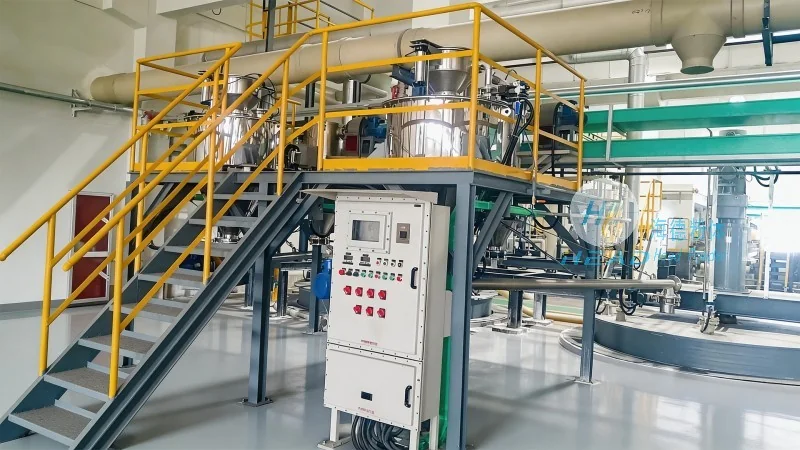
Additionally, PVC resin pneumatic conveying systems offer low maintenance requirements and operational costs. The absence of moving parts in the conveying line itself reduces the need for frequent repairs and replacements, leading to lower long-term costs. The systems are also designed to be energy-efficient, with the air compressor and other components optimized to minimize energy consumption. This not only reduces operational expenses but also contributes to environmental sustainability by lowering carbon emissions.
Furthermore, the systems provide excellent control over the material flow, allowing for precise regulation of the amount of PVC resin being transported. This level of control is essential in processes where the exact quantity of material is critical, such as in the manufacturing of PVC compounds or additives. The ability to adjust the flow rate in real-time ensures that the production process remains stable and consistent, minimizing the risk of errors or defects in the final product.
In conclusion, PVC resin pneumatic conveying systems represent a sophisticated and effective solution for the transportation of bulk materials. By leveraging the principles of pneumatic technology, these systems offer numerous benefits, including enhanced efficiency, reduced contamination risk, and lower operational costs. As a leading manufacturer, Shandong HeadPowder Engineering Co., Ltd. continues to innovate and provide high-quality pneumatic conveying solutions that meet the evolving needs of the industry, ensuring reliable and efficient material handling for businesses worldwide.