

Working Principle and Features of Stone Powder Granule Pneumatic Conveying Systems
Stone powder granule pneumatic conveying systems represent a critical technology in the material handling industry, particularly for transporting fine powders like stone powder. These systems utilize air as the medium to move granular materials, offering a flexible and efficient solution for various industrial applications. Understanding the working principle and key features of such systems is essential for selecting the right equipment for specific operational needs.
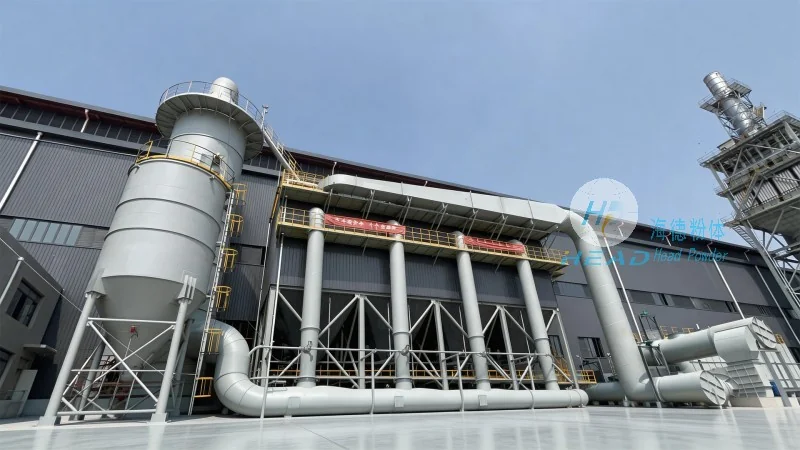
Working Principle of Stone Powder Granule Pneumatic Conveying Systems
The core working principle of a stone powder granule pneumatic conveying system revolves around the use of compressed air or vacuum to transport solid particles. There are primarily two types of pneumatic conveying systems: pressure and vacuum. In pressure systems, compressed air is introduced into the conveying line at the discharge end, pushing the material forward. Conversely, vacuum systems use a vacuum pump to create a negative pressure at the intake end, drawing the material into the system. For stone powder, which is typically fine and can be prone to dust issues, the system design must consider factors like particle size, moisture content, and flow characteristics to ensure efficient and reliable transport.
HeadPowder, a leading manufacturer based in Shandong, China, specializes in designing and manufacturing these systems tailored to the unique requirements of stone powder handling. Their expertise lies in optimizing the conveying process by selecting appropriate air velocities, pipe diameters, and material feed mechanisms. The company’s engineers work closely with clients to analyze the specific properties of the stone powder, such as its density, abrasiveness, and potential for caking, to develop a customized solution that maximizes efficiency and minimizes operational costs.
Key Features of Stone Powder Granule Pneumatic Conveying Systems
One of the most significant advantages of pneumatic conveying systems for stone powder is their ability to handle fine particles without the need for mechanical components like belts or buckets, which can be prone to wear and maintenance issues. The air-based transport reduces the risk of material degradation and contamination, making it suitable for applications where product purity is critical. Additionally, these systems offer high flexibility in terms of layout, as they can be installed in various configurations, including vertical, horizontal, or a combination of both, to fit the spatial constraints of different facilities.
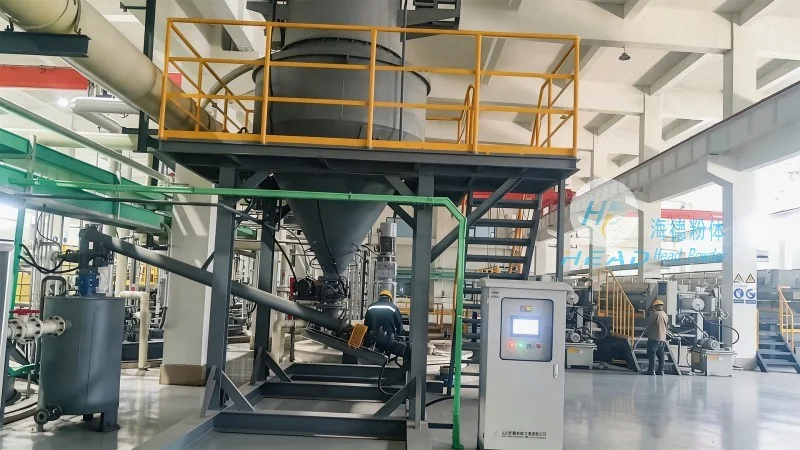
Another notable feature is the environmental benefits. Pneumatic conveying systems are generally more energy-efficient and produce less noise compared to traditional mechanical conveying methods. They also help in controlling dust emissions by enclosing the material within the conveying line, which is essential for maintaining a safe and healthy working environment. HeadPowder’s systems are designed with these environmental considerations in mind, incorporating features like dust collection and filtration to comply with industrial regulations and promote sustainability.
Efficiency and reliability are also key features that set these systems apart. By eliminating the need for multiple transfer points and reducing material handling time, pneumatic conveying systems can significantly improve production throughput. The consistent flow of material ensures that downstream processes, such as mixing or packaging, operate smoothly without interruptions. Furthermore, the use of advanced control systems allows for real-time monitoring and adjustment of the conveying parameters, enhancing overall operational stability and reducing downtime.
Customization and Application Scope
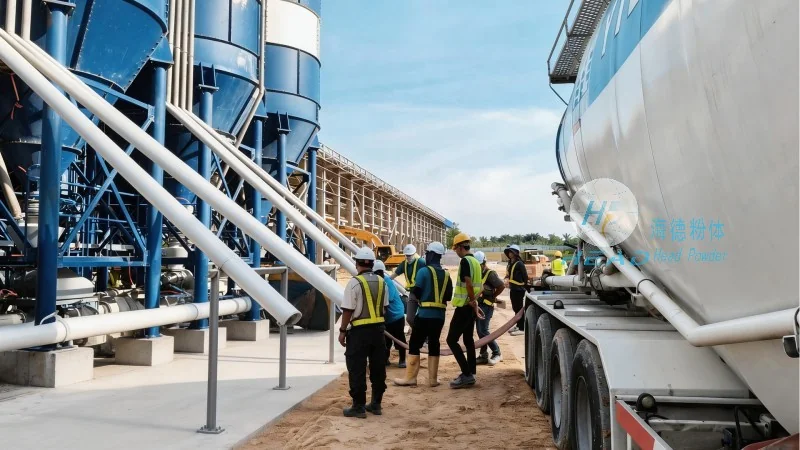
HeadPowder Engineering Co., Ltd., with its headquarters in Shandong, China, provides comprehensive solutions for a wide range of stone powder applications. Their systems are used in industries such as construction, mining, and chemical processing, where the efficient transport of stone powder is crucial for production continuity. The company’s approach to customization involves a thorough assessment of the client’s operational requirements, including the volume of material to be conveyed, the distance of transport, and the desired speed of operation. This ensures that the final system is not only efficient but also cost-effective and easy to maintain.
For example, in the construction industry, stone powder is often used as a raw material for cement production. The pneumatic conveying system from HeadPowder can transport the stone powder from storage silos to the mixing plant with minimal loss and maximum speed. In mining operations, where stone powder may be a byproduct of crushing processes, the system helps in safely and efficiently moving the material to processing facilities, reducing the risk of accidents and improving overall productivity. The versatility of these systems makes them suitable for both small-scale and large-scale operations, catering to the diverse needs of the industrial sector.
Conclusion and Company Overview
In conclusion, stone powder granule pneumatic conveying systems are a highly effective and versatile solution for transporting fine materials like stone powder. Their working principle, based on air-based transport, offers numerous advantages over traditional mechanical methods, including efficiency, flexibility, and environmental friendliness. HeadPowder Engineering Co., Ltd., based in Shandong, China, stands out as a reliable partner in providing customized pneumatic conveying systems tailored to the specific needs of clients. With their expertise in material handling and commitment to quality, HeadPowder ensures that their systems not only meet but exceed industry standards, contributing to improved operational performance and cost savings for their clients.