

What is a Vanadium Oxide Material Pneumatic Conveyor? What Are Its Design Principles?
Vanadium oxide is a critical material in various industrial applications, and the efficient handling of this material often requires specialized equipment. A vanadium oxide material pneumatic conveyor is a system designed to transport vanadium oxide powder or granules through a pipeline using air or other gas as the conveying medium. This technology offers a dust-free, continuous, and flexible method for material transport, making it an essential tool in industries such as chemical processing, battery manufacturing, and catalyst production.
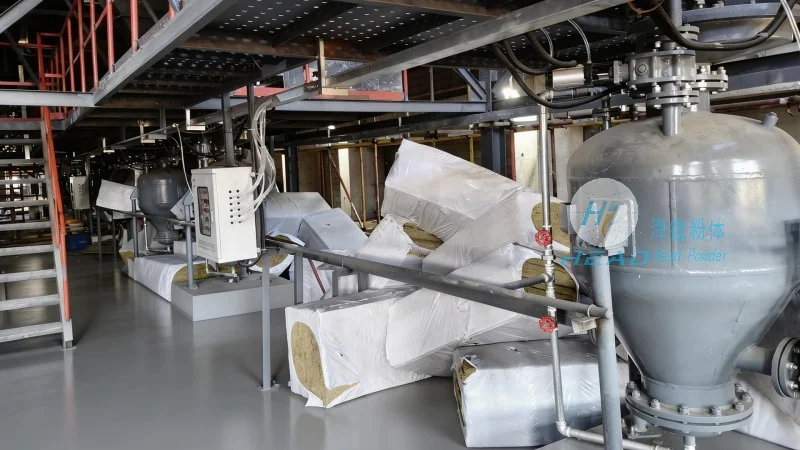
HeadPowder, a leading manufacturer based in Shandong, China, specializes in the design and production of advanced pneumatic conveying systems tailored for handling sensitive materials like vanadium oxide. With a strong commitment to engineering excellence and customer satisfaction, the company has established itself as a trusted partner in providing reliable solutions for material handling challenges.
Understanding the Pneumatic Conveyor System
The core of a vanadium oxide material pneumatic conveyor lies in its ability to use air pressure to move material through a sealed pipeline. The system typically consists of a feeding hopper, a blower or compressor to generate airflow, a pipeline network, and a discharge outlet. The design must account for the unique properties of vanadium oxide, such as its chemical reactivity, particle size, and flow characteristics.
Vanadium oxide often has fine particles that can be prone to agglomeration or caking, which can affect the efficiency of the conveying process. Therefore, the conveyor system incorporates features like vibration feeders or agitators to ensure consistent material flow. The air velocity within the pipeline is carefully controlled to prevent particle deposition and maintain a stable flow rate. This balance between air pressure and material properties is crucial for achieving optimal performance and minimizing operational issues.
Design Principles and Key Components
HeadPowder’s engineering team follows a systematic approach to design pneumatic conveyors for vanadium oxide applications. The design principles focus on maximizing efficiency, ensuring safety, and facilitating easy maintenance. Key components include:
The blower or compressor, which provides the necessary air pressure to move the material. The choice of equipment depends on the material’s density, particle size, and the required conveying distance. For vanadium oxide, a high-efficiency blower is often preferred to minimize energy consumption while maintaining sufficient airflow.
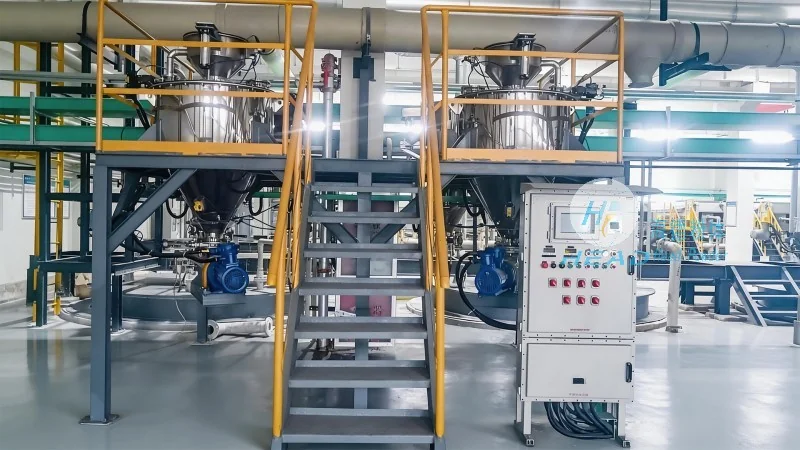
The pipeline system, which is typically made of corrosion-resistant materials like stainless steel or PTFE-coated pipes to handle the chemical properties of vanadium oxide. The pipeline design considers factors such as bends, elbows, and expansion joints to accommodate the material’s flow behavior and prevent blockages.
The feeding mechanism, which may include a rotary valve or a screw feeder to control the material feed rate. This component ensures a steady flow of vanadium oxide into the pipeline, preventing overloading or underfeeding that could lead to system inefficiencies.
The discharge system, which includes a receiver or hopper at the end of the pipeline to collect the conveyed material. The design of the discharge system is critical to prevent material spillage and ensure safe handling of the product.
Additionally, the system may incorporate filtration and dust collection units to maintain air quality and comply with environmental regulations. These units are essential for handling vanadium oxide, as the material can generate fine dust that requires proper containment to protect both the environment and personnel.
Advantages of Using a Vanadium Oxide Pneumatic Conveyor
Implementing a pneumatic conveyor for vanadium oxide material handling offers several advantages over traditional methods like belt conveyors or manual handling. These benefits include:
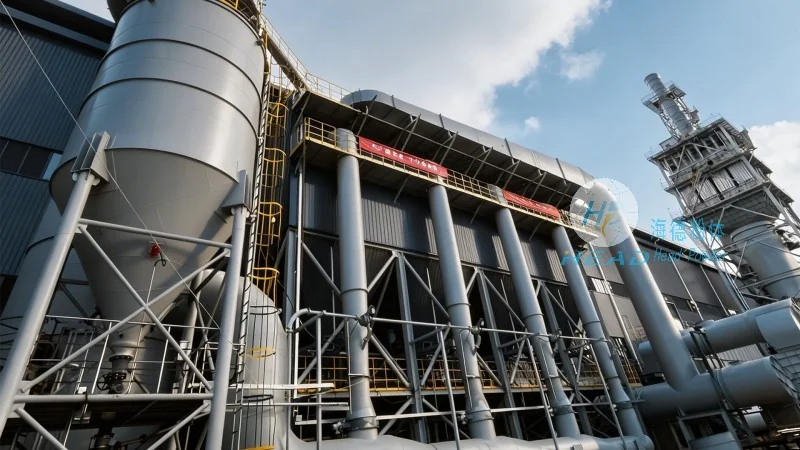
Improved safety: The sealed pipeline design eliminates dust exposure, reducing the risk of respiratory issues and other health hazards associated with handling vanadium oxide powder.
Enhanced efficiency: The continuous and automated operation of the system increases production throughput and reduces labor costs compared to manual handling methods.
Flexibility: The system can be easily reconfigured to change the conveying route or adjust the material flow rate, providing adaptability to changing production needs.
Reduced maintenance: The design of the conveyor minimizes the need for frequent maintenance, as the components are protected from direct contact with the material and are designed for long-term durability.
HeadPowder’s pneumatic conveyors are engineered to deliver these benefits while meeting the specific requirements of vanadium oxide applications. The company’s expertise in material handling and pneumatic technology ensures that the systems are tailored to the unique characteristics of vanadium oxide, resulting in reliable and efficient operation.