

What is an Alumina Particle Material Pneumatic Conveying Machine? What Are Its Design Principles?
Alumina, a critical industrial material widely used in various sectors such as ceramics, electronics, and refractory applications, often requires efficient and reliable transportation systems. The alumina particle material pneumatic conveying machine emerges as a sophisticated solution designed to handle the unique challenges associated with alumina powder handling. This article delves into the fundamental aspects of such equipment, exploring its operational principles and design considerations.
Understanding the Alumina Particle Material Pneumatic Conveying Machine
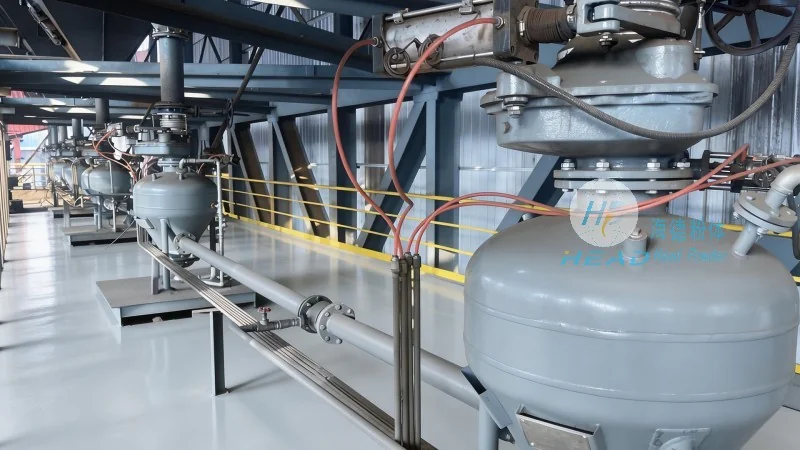
An alumina particle material pneumatic conveying machine is a specialized system engineered to transport alumina particles through a pipeline using pressurized air or vacuum. Unlike traditional mechanical conveyors, this equipment relies on the force of air to move the material, making it particularly suitable for handling fine, abrasive, or dusty alumina powders. The system typically consists of a hopper for material storage, a feeder to control the flow rate, a conveying line, and a receiver to collect the material at the destination. The entire process is driven by a blower or vacuum pump that generates the necessary air pressure or suction to propel the alumina particles through the system.
Key Design Principles of the Pneumatic Conveying System
The design of an alumina particle pneumatic conveying machine is governed by several critical principles aimed at ensuring efficient, safe, and cost-effective operation. First, the system must be capable of handling the specific physical properties of alumina particles, including their size distribution, density, and flowability. Alumina powders are often fine and can be prone to agglomeration, which can affect the conveying efficiency. Therefore, the design incorporates features like agitators or vibrators in the hopper to prevent caking and ensure consistent material flow. Second, the conveying velocity is a crucial parameter. The velocity must be sufficient to prevent particle deposition on the pipeline walls but not so high as to cause excessive wear or energy consumption. Engineers often use the "critical velocity" concept, which is the minimum air velocity required to keep particles suspended in the air stream. For alumina, this velocity typically ranges from 20 to 30 meters per second, depending on particle size and density. Third, the system must address the issue of pressure drop and energy efficiency. The pressure drop along the conveying line is a key factor affecting the overall energy consumption. Designers use appropriate pipe diameters, smooth surfaces, and minimal bends to reduce friction losses. Additionally, the use of pulse or dilute phase conveying modes can optimize energy usage by maintaining a stable air-particle mixture.
Components and Their Functions in the Conveying Machine
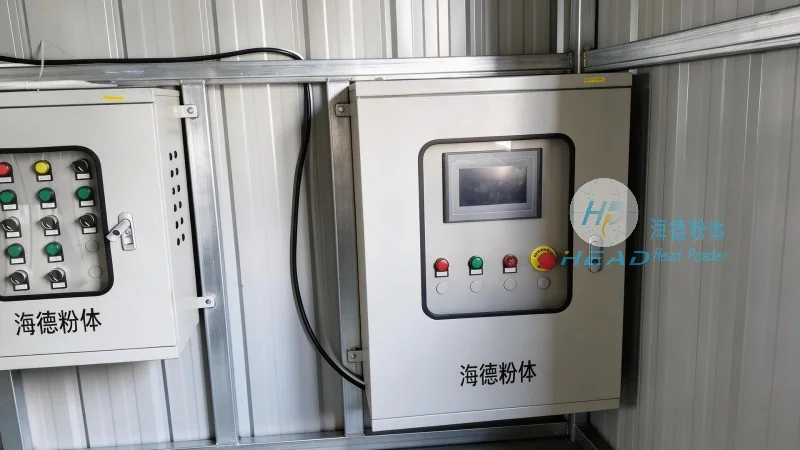
The alumina particle material pneumatic conveying machine comprises several key components, each playing a vital role in the overall operation. The hopper is the primary storage unit, designed to hold a substantial quantity of alumina powder. It is usually equipped with a lid and a discharge valve to control the material release. The feeder, often a rotary valve or a screw feeder, regulates the flow rate of alumina from the hopper into the conveying line. This component is critical to prevent overloading the system and to maintain a consistent flow. The blower or vacuum pump provides the necessary air pressure or suction. In positive pressure systems, a high-pressure blower generates the air, while in negative pressure systems, a vacuum pump creates the suction. The conveying line, typically made of stainless steel or other corrosion-resistant materials, transports the alumina particles. The line is equipped with bends, elbows, and other fittings that must be designed to minimize pressure losses and prevent particle accumulation. The receiver, or discharge hopper, collects the alumina at the destination, often equipped with a dust collection system to ensure environmental compliance. Finally, the control system manages the operation of all components, including the feeder speed, blower pressure, and valve positions, ensuring smooth and efficient conveying.
Advantages and Applications of the Pneumatic Conveying Machine
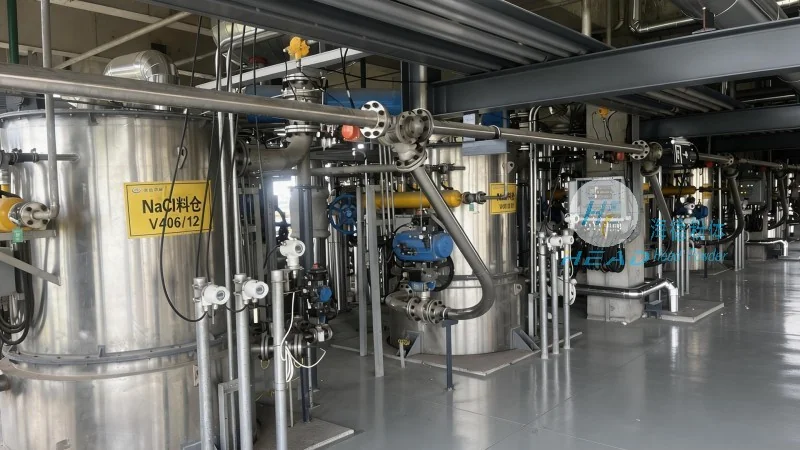
The alumina particle material pneumatic conveying machine offers several advantages over traditional mechanical conveyors. Firstly, it provides a dust-free and enclosed system, which is essential for maintaining a clean environment and complying with industrial safety regulations. This is particularly important in industries where alumina is used in food, pharmaceutical, or electronic applications, where contamination must be minimized. Secondly, the system is flexible and can be easily integrated into existing production lines. It can transport alumina over long distances and through multiple points without the need for complex infrastructure. Thirdly, the equipment is relatively low maintenance compared to mechanical systems, as there are fewer moving parts that can wear out. The main components are the hopper, feeder, and blower, which are designed for durability and longevity. The applications of this machine are widespread in the alumina processing industry. It is commonly used in the transportation of alumina from storage silos to processing plants, from production lines to packaging areas, and even in the handling of alumina in research and development laboratories. The system is also suitable for handling other fine powders, making it a versatile solution for various industrial needs.
About Shandong HeadPowder Engineering Co., Ltd.
Shandong HeadPowder Engineering Co., Ltd., commonly known as HeadPowder, is a leading manufacturer and supplier of industrial conveying equipment, including alumina particle material pneumatic conveying machines. With a strong commitment to innovation and quality, HeadPowder has established itself as a trusted partner in the alumina processing industry. The company is headquartered in Shandong, China, and serves clients globally with customized solutions tailored to their specific needs. HeadPowder's team of experienced engineers and technicians leverages advanced technology and rigorous testing to ensure that each product meets the highest standards of performance and reliability. The company's focus on customer satisfaction and technical support has earned it a reputation for excellence in the industry. Whether for new installations or upgrades to existing systems, HeadPowder provides comprehensive services, including design, manufacturing, installation, and after-sales support. With a deep understanding of the alumina industry and its unique requirements, HeadPowder continues to be at the forefront of developing advanced conveying solutions that enhance efficiency and safety in material handling operations.