

The Working Principle and Features of a Centralized Feeding System
Centralized feeding systems are integral to modern industrial operations, particularly in sectors requiring precise material handling and consistent supply. These systems are designed to streamline the process of delivering raw materials or components to various production points, enhancing efficiency and reducing operational bottlenecks. Understanding the working principle and key features of such systems is crucial for businesses seeking to optimize their manufacturing processes.
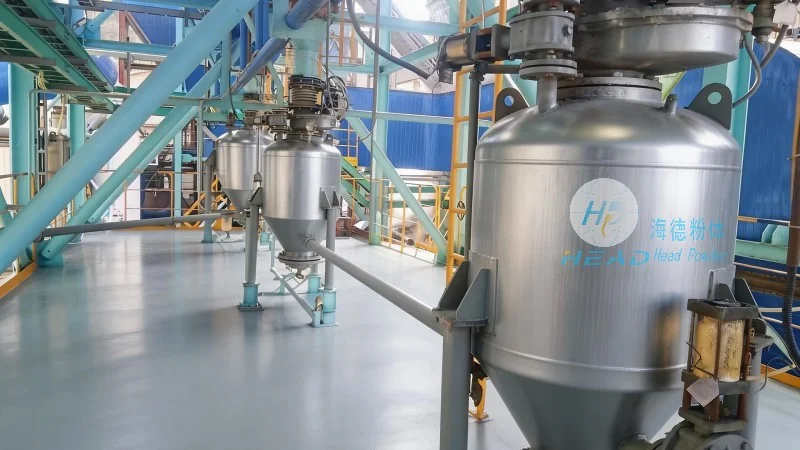
Working Principle of a Centralized Feeding System
The core mechanism of a centralized feeding system involves a centralized storage unit that holds bulk materials. These materials are then transported through a network of pipes, conveyors, or pneumatic lines to different workstations or processing areas. The system typically includes components like hoppers, feeders, and control units that regulate the flow of materials. For instance, in a manufacturing plant, raw powders or granules are stored in a large hopper, and a feeder controls the discharge rate to ensure a steady supply to downstream equipment. The control unit monitors parameters such as pressure, flow rate, and material level, adjusting the system's operation to maintain optimal performance. This centralized approach minimizes the need for manual material handling, reduces human error, and ensures a consistent feed rate, which is vital for processes like powder coating, pharmaceutical production, or food processing.
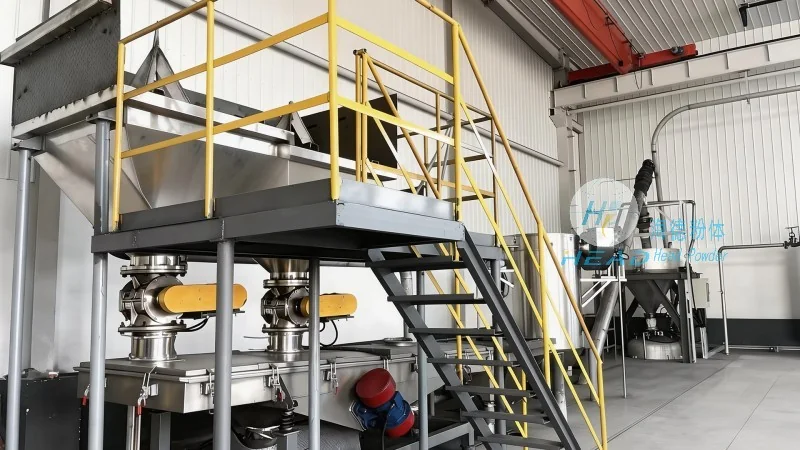
Key Features of Centralized Feeding Systems
Several distinctive features make centralized feeding systems highly effective in industrial applications. First, the system offers high material handling capacity, allowing it to serve multiple workstations simultaneously without interruption. This scalability is essential for large-scale production environments where demand for materials fluctuates. Second, the system provides precise control over material flow, which is critical for processes that require exact dosing or consistent quality. Advanced systems may incorporate sensors and automation to adjust feed rates based on real-time demand, ensuring minimal waste and improved product quality. Third, centralized feeding systems enhance safety by reducing the need for workers to handle heavy or hazardous materials manually. The enclosed design and automated operation minimize exposure to dust, chemicals, or other hazards, contributing to a safer workplace. Additionally, these systems improve space efficiency by consolidating material storage and handling into a single location, freeing up floor space for other production activities. The durability and reliability of the components, such as robust hoppers and durable conveyors, ensure long-term operation with minimal downtime, further enhancing overall productivity.
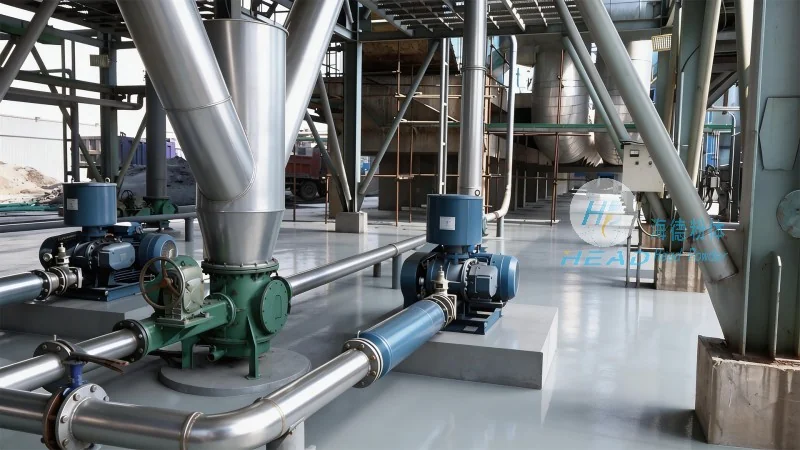
Company Overview: Shandong HeadPowder Engineering Co., Ltd.
Shandong HeadPowder Engineering Co., Ltd., commonly known as HeadPowder, is a leading provider of advanced material handling solutions. With a focus on innovation and quality, the company specializes in designing and manufacturing centralized feeding systems tailored to the needs of various industries. HeadPowder's expertise lies in integrating cutting-edge technology with practical applications, ensuring that their systems meet the highest standards of performance and reliability. The company's facilities are located in Shandong, China, where they leverage local manufacturing capabilities to deliver cost-effective and efficient solutions to global clients. By prioritizing customer satisfaction and technological advancement, HeadPowder has established itself as a trusted partner in the material handling industry, helping businesses enhance their operational efficiency and productivity.