

Working Principle and Features of In-Furnace Calcium Injection Equipment
Welcome to Shandong HeadPowder Engineering Co., Ltd., a leading manufacturer specializing in in-furnace calcium injection equipment. Our products are designed to meet the stringent requirements of modern industrial applications, particularly in the field of flue gas desulfurization and environmental protection.
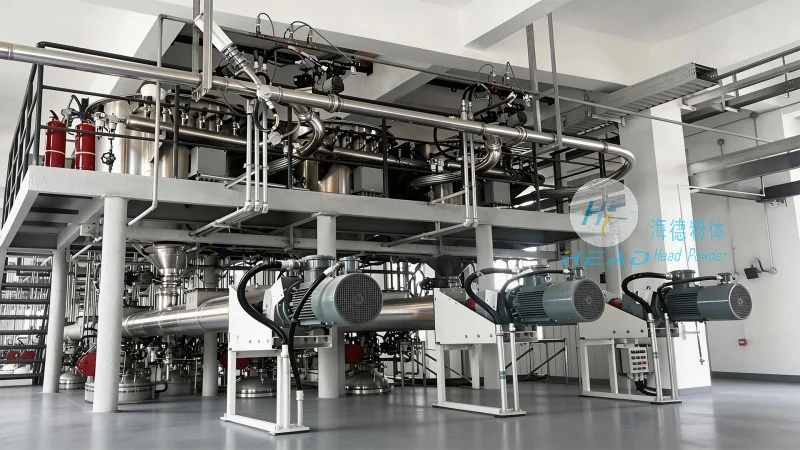
Understanding the Working Principle of In-Furnace Calcium Injection Equipment
The core function of in-furnace calcium injection equipment is to inject calcium-based reagents directly into the furnace or boiler during the combustion process. This technology is widely used to control sulfur dioxide (SO₂) emissions by promoting the formation of calcium sulfite and calcium sulfate within the flue gas. The equipment operates by delivering a precise amount of calcium carbonate or other calcium compounds into the combustion chamber, where they react with sulfur dioxide and oxygen to form solid byproducts that can be removed from the flue gas stream.
Key components of the system include a material storage and feeding unit, a high-pressure or pneumatic injection system, and a distribution nozzle or spray system. The feeding unit ensures a consistent supply of the calcium reagent, while the injection system provides the necessary force to transport the material into the furnace. The distribution system then disperses the reagent evenly throughout the combustion zone, maximizing the contact between the reagent and the flue gas. This uniform distribution is crucial for achieving optimal desulfurization efficiency and minimizing the formation of deposits or blockages within the equipment.
Key Features of In-Furnace Calcium Injection Equipment
Our in-furnace calcium injection equipment is engineered with several distinct features that enhance its performance and reliability. First, the system is equipped with advanced control mechanisms that allow for real-time monitoring and adjustment of the injection rate. This ensures that the amount of calcium reagent added matches the actual sulfur dioxide levels in the flue gas, optimizing the desulfurization process and reducing the risk of over- or under-injection. The control system may integrate sensors that measure flue gas composition, temperature, and pressure, providing data-driven adjustments to maintain consistent performance.
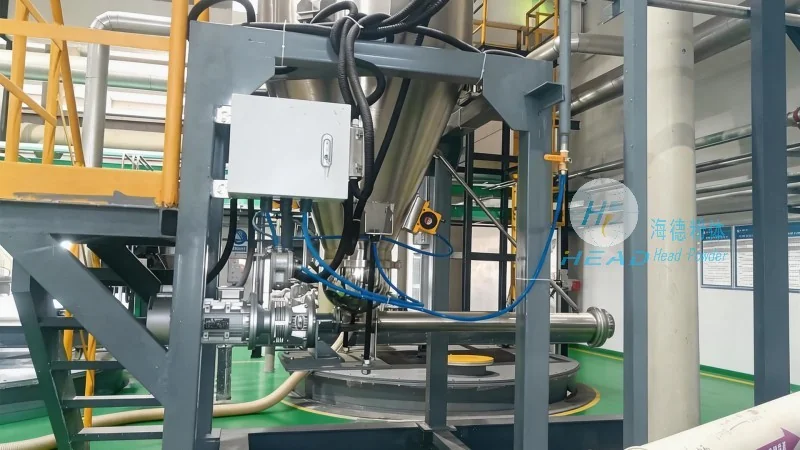
Second, the equipment is designed for durability and low maintenance. High-quality materials, such as corrosion-resistant alloys and wear-resistant components, are used in the construction of the feeding and injection mechanisms. This reduces the likelihood of equipment failure and minimizes downtime for maintenance. Additionally, the system incorporates self-cleaning features or easy-access maintenance points, making routine inspections and repairs more efficient. For example, the nozzle or spray system may have a design that prevents clogging, ensuring continuous operation even with varying reagent properties.
Third, the equipment offers flexibility in terms of reagent types and injection methods. While calcium carbonate is the most common reagent, the system can be adapted to handle other calcium-based compounds, such as calcium hydroxide or calcium oxide, depending on the specific application requirements. The injection method can also be adjusted, including pneumatic or mechanical feeding, to accommodate different furnace designs and operating conditions. This adaptability allows our equipment to be used in a wide range of industrial settings, from power plants to industrial boilers.
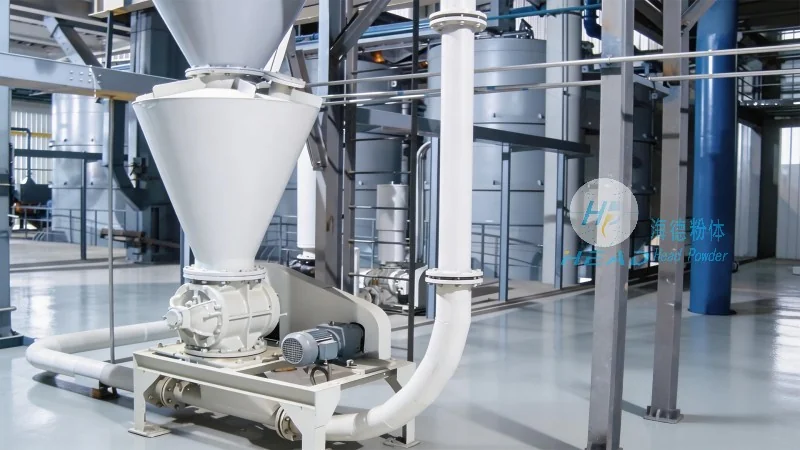
Application and Performance Benefits
In-furnace calcium injection equipment is a critical component in the flue gas desulfurization process, offering several performance benefits that contribute to environmental compliance and operational efficiency. By injecting calcium reagents directly into the furnace, the equipment enables the desulfurization reaction to occur at a higher temperature, which improves the reaction kinetics and reduces the overall reagent consumption. This results in lower operating costs and a more sustainable approach to emissions control. Additionally, the in-furnace process reduces the need for downstream scrubbing systems, as the solid byproducts are captured within the furnace and removed through the ash handling system, simplifying the overall plant design.
Another significant benefit is the reduction of equipment corrosion and fouling. The direct injection of calcium reagents helps to neutralize acidic gases in the flue gas, preventing corrosion of downstream components such as heat exchangers and ductwork. This not only extends the service life of the equipment but also reduces the risk of unplanned shutdowns due to equipment failure. Furthermore, the uniform distribution of the reagent ensures that the desulfurization reaction occurs evenly throughout the combustion zone, preventing localized hot spots or deposits that could otherwise lead to performance issues.
Conclusion and Company Information
Shandong HeadPowder Engineering Co., Ltd. is committed to providing high-quality in-furnace calcium injection equipment that meets the evolving needs of the industrial sector. Our products are designed with precision, durability, and efficiency in mind, ensuring reliable performance in demanding environments. By leveraging advanced technology and rigorous quality control, we deliver solutions that help our clients achieve their environmental goals while maintaining operational excellence. For more information about our in-furnace calcium injection equipment and how it can benefit your facility, please contact us at our headquarters in Shandong, China.