

Working Principle and Features of Sponge Sand Pneumatic Conveying Lines
For industrial applications involving the transport of sponge sand, pneumatic conveying systems offer an efficient and reliable solution. This article delves into the working principle and key features of sponge sand pneumatic conveying lines, providing insights into how these systems operate and the advantages they bring to material handling processes.
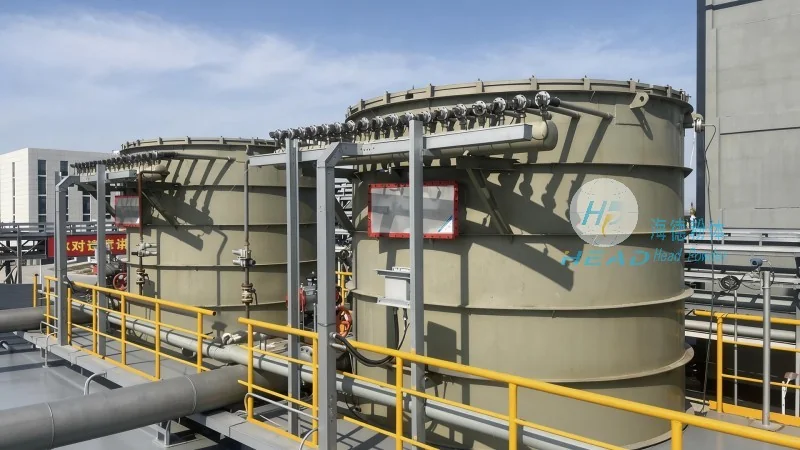
Overview of Sponge Sand Pneumatic Conveying Systems
Sponge sand, a type of lightweight, porous sand used in various construction and industrial applications, requires specialized handling equipment to ensure safe and efficient transport. Pneumatic conveying lines utilize air pressure to move the material through a network of pipes, eliminating the need for mechanical components like belts or buckets that may be prone to wear and tear. This approach not only enhances operational efficiency but also minimizes the risk of material contamination and damage.
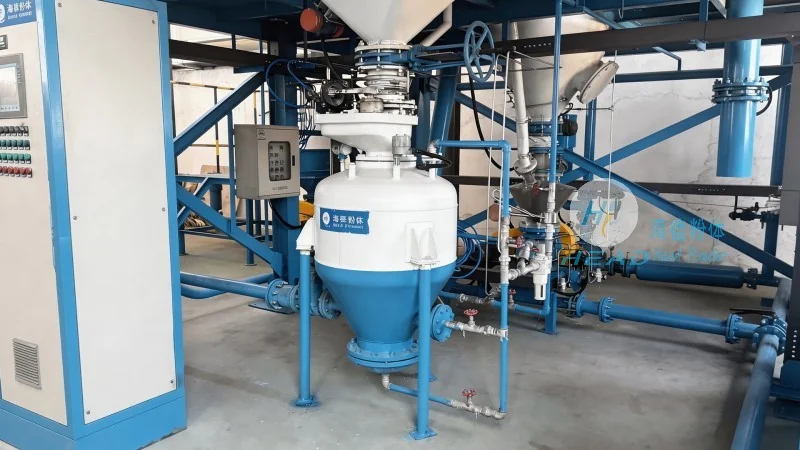
The Working Principle of Sponge Sand Pneumatic Conveying Lines
The core mechanism of sponge sand pneumatic conveying lines revolves around the use of compressed air to generate a flow that propels the material. The process typically begins with the material being fed into a hopper or feeder, where it is then introduced into a pipeline. Compressed air, often supplied by a dedicated air compressor, is introduced at one end of the pipe, creating a pressure differential that drives the material forward. As the air and sand mixture travels through the system, it passes through various components such as inlets, bends, and filters, ensuring smooth and consistent transport. The system may employ different modes of pneumatic conveying, including dilute-phase and dense-phase, depending on the specific requirements of the application. In dilute-phase systems, the material is suspended in the air stream, while in dense-phase systems, the material is conveyed in a more concentrated form, often with higher air pressure to maintain material integrity.
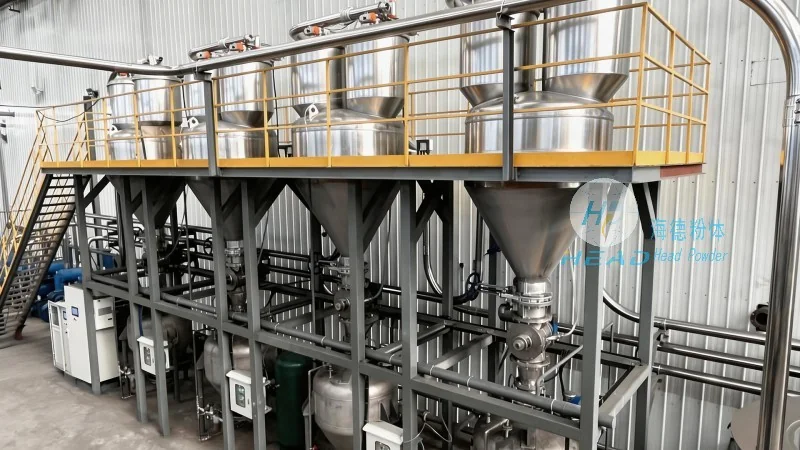
Key Features and Advantages of Sponge Sand Pneumatic Conveying Lines
Several distinct features make sponge sand pneumatic conveying lines an attractive choice for material handling. Firstly, the system offers high efficiency in terms of material transport speed and throughput, as it can move large volumes of sand quickly and with minimal downtime. Secondly, it provides excellent control over the material flow, allowing for precise regulation of the conveying rate to match production demands. Thirdly, the absence of mechanical parts reduces maintenance requirements and operational costs, as there are fewer components that can wear out or require replacement. Additionally, pneumatic conveying systems are inherently clean and hygienic, which is particularly important when handling materials that may be sensitive to contamination. The enclosed pipeline design also helps to contain dust and prevent environmental pollution, aligning with modern environmental standards. Furthermore, these systems can be easily integrated into existing production lines, making them a flexible solution for various industrial settings.
Applications and Industries Utilizing Sponge Sand Pneumatic Conveying Lines
Sponge sand pneumatic conveying lines find applications across multiple industries, including construction, foundries, and manufacturing. In construction, they are used to transport sand for concrete mixing and other building projects, ensuring consistent material quality and reducing labor costs. In foundries, the system helps in moving sand for mold making and casting processes, improving production efficiency and reducing waste. The versatility of the system also makes it suitable for other applications such as sandblasting and filtration, where the material needs to be transported in a controlled manner. The ability to handle different types of sand and adjust the conveying parameters makes these systems adaptable to a wide range of industrial needs.
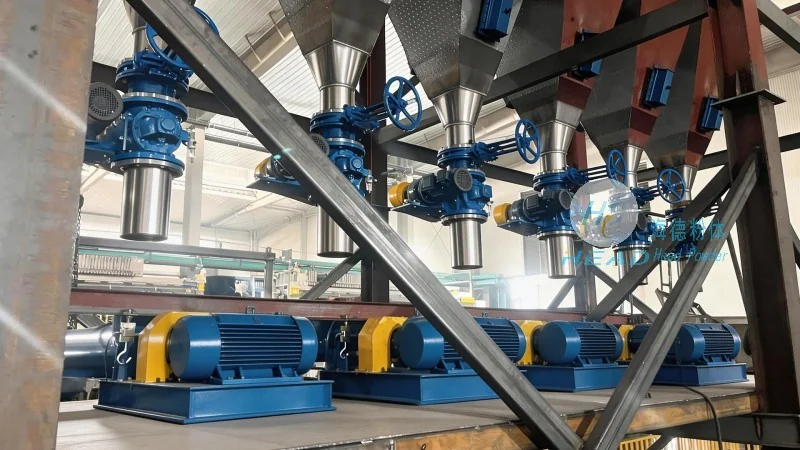
Conclusion and Company Information
Overall, sponge sand pneumatic conveying lines represent a sophisticated and efficient solution for the transport of lightweight, porous materials. By leveraging the principles of pneumatic conveying, these systems offer significant advantages in terms of operational efficiency, cost-effectiveness, and environmental compliance. As a leading provider in this field, Shandong HeadPowder Engineering Co., Ltd., based in China, specializes in designing and manufacturing high-quality pneumatic conveying systems tailored to the specific needs of industrial clients. With a focus on innovation and customer satisfaction, the company ensures that its products meet the highest standards of performance and reliability, helping businesses optimize their material handling processes and enhance overall productivity.