

Working Principle and Characteristics of Tailings Slurry Pneumatic Conveying
Understanding the working principle and characteristics of tailings slurry pneumatic conveying is crucial for optimizing mineral processing operations and ensuring efficient material handling in mining industries. This article provides a detailed overview of how pneumatic conveying systems are applied to transport tailings slurry, highlighting the technical aspects and advantages of such systems.
Working Principle of Tailings Slurry Pneumatic Conveying
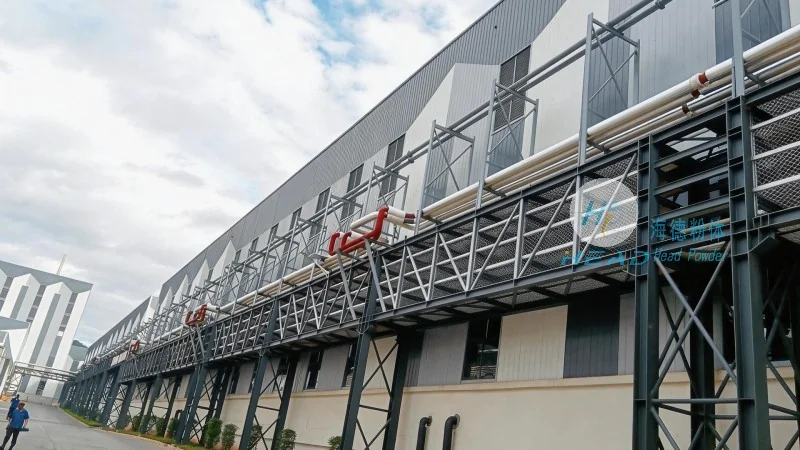
Tailings slurry pneumatic conveying systems operate based on the fundamental principle of transporting particulate materials suspended in a fluid medium, typically air or gas. The process involves several key components and steps that work in tandem to move the slurry from the source to the destination. At the core of the system is a slurry pump or a feeding device that introduces the tailings slurry into a conveying line. The slurry is then mixed with air or gas under controlled pressure, creating a slurry-air mixture that is propelled through the pipeline. The velocity of the air-gas stream is maintained above the minimum fluidization velocity of the tailings particles, ensuring that the particles remain suspended and are transported efficiently. The system typically includes a series of pipelines, bends, and valves that direct the flow, along with a receiver or discharge point where the slurry is deposited. The entire process is regulated by pressure control systems and flow meters to ensure consistent and reliable operation.
Key Characteristics of Tailings Slurry Pneumatic Conveying Systems
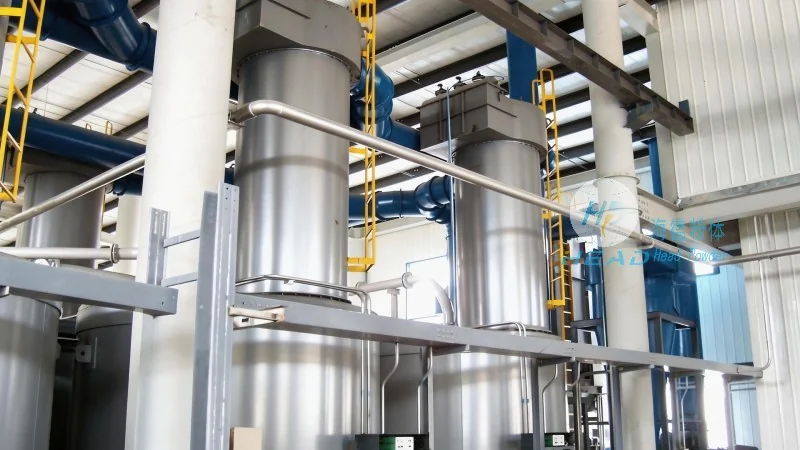
When evaluating tailings slurry pneumatic conveying systems, several key characteristics stand out as advantages for mining operations. Firstly, these systems offer high efficiency in material transport, as they can handle large volumes of tailings slurry over long distances without the need for additional mechanical components like conveyors or trucks. This reduces operational costs and improves overall productivity. Secondly, pneumatic conveying is a closed system, which helps in controlling dust emissions and minimizing environmental impact. The enclosed pipelines prevent the release of fine particles into the atmosphere, contributing to better air quality and compliance with environmental regulations. Thirdly, the flexibility of pneumatic conveying systems allows for easy integration with existing mining infrastructure. They can be adapted to various layouts and can transport materials to multiple destinations from a single source, enhancing operational flexibility. Additionally, these systems are relatively low in maintenance compared to traditional mechanical conveying methods, as they have fewer moving parts and are less prone to wear and tear from abrasive tailings particles. The use of air as the conveying medium also reduces the risk of material degradation and contamination, which is particularly important for tailings that may contain sensitive components.
Application and Operational Benefits in Mining
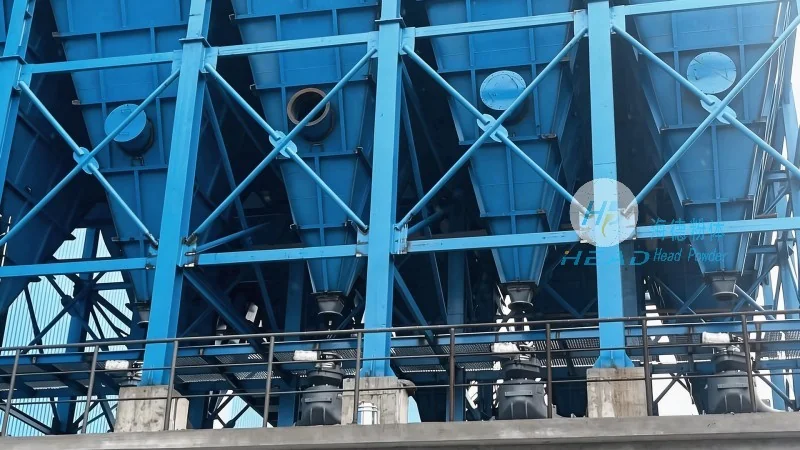
The application of tailings slurry pneumatic conveying systems in mining operations brings numerous operational benefits. By eliminating the need for traditional trucking or conveyor belts, mining companies can significantly reduce their carbon footprint and operational expenses. The closed system design also helps in maintaining the quality of the tailings, as it prevents exposure to external elements that could alter the slurry's properties. Furthermore, the ability to transport tailings to designated disposal sites or reclamation areas ensures that the mining process is conducted in an environmentally responsible manner. The systems are particularly effective in remote mining locations where access is limited, as they can be installed with minimal infrastructure requirements. The reliability of pneumatic conveying systems, with their ability to operate continuously without interruptions, also contributes to the overall stability of mining operations. Over time, the adoption of such systems has become a standard practice in modern mining, as they align with the industry's shift towards more sustainable and efficient practices.
Conclusion and Company Overview
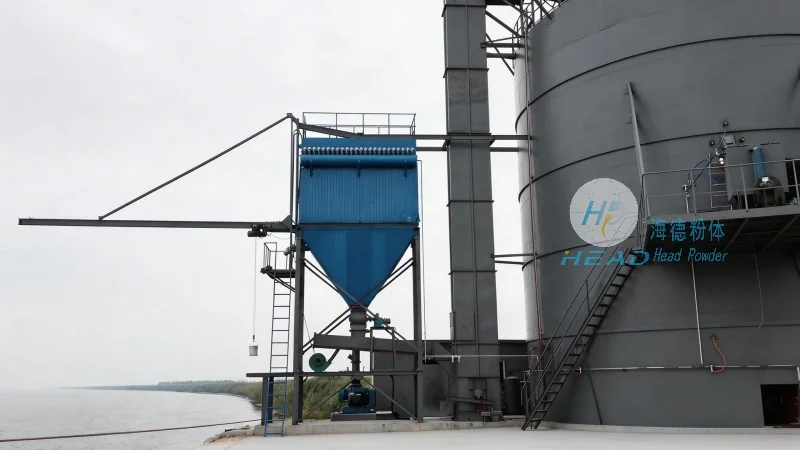
In conclusion, tailings slurry pneumatic conveying systems represent a sophisticated solution for the efficient and environmentally friendly transport of tailings in mining operations. The working principle, which relies on the suspension of particles in a gas stream, combined with the system's key characteristics such as high efficiency, environmental friendliness, and operational flexibility, makes it an ideal choice for modern mining enterprises. As the mining industry continues to prioritize sustainability and cost-effectiveness, the adoption of advanced pneumatic conveying technologies will likely increase. Shandong HeadPowder Engineering Co., Ltd., a leading provider in this field, specializes in designing and manufacturing customized tailings slurry pneumatic conveying systems tailored to the specific needs of mining projects. With a focus on innovation and quality, the company ensures that its solutions meet the highest standards of performance and reliability, supporting the sustainable development of the mining sector.