

Working Principle and Characteristics of Rapeseed Pneumatic Conveying
HeadPowder, a leading provider in the field of material handling solutions, specializes in the design and implementation of pneumatic conveying systems for various agricultural products, including rapeseed. Based in Shandong, China, the company has established itself as a trusted partner for efficient and reliable material transport in the agricultural sector.
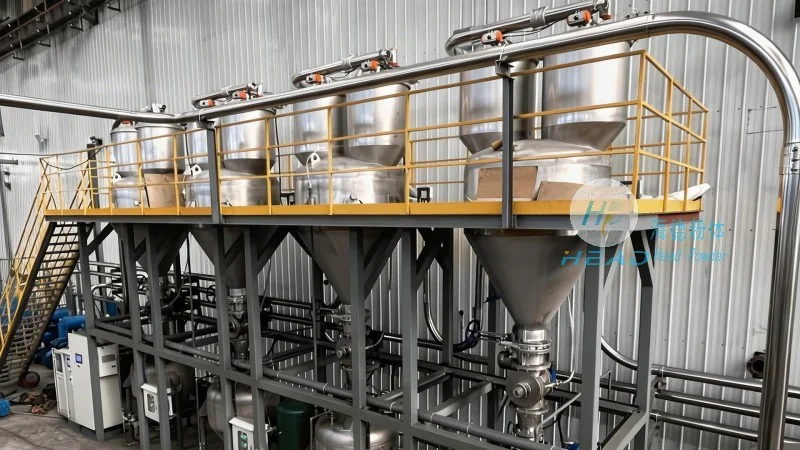
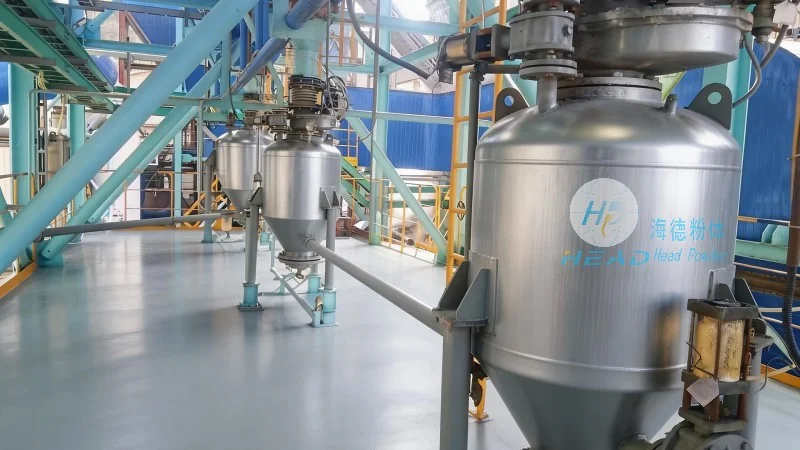
Company Profile
Shandong HeadPowder Engineering Co., Ltd. is dedicated to delivering high-quality pneumatic conveying technologies tailored to the needs of the agricultural industry. The company’s headquarters is located in Shandong, China, where it leverages advanced engineering expertise to develop innovative solutions for material handling challenges. With a focus on precision and efficiency, HeadPowder ensures that its systems meet the stringent requirements of modern agricultural operations.
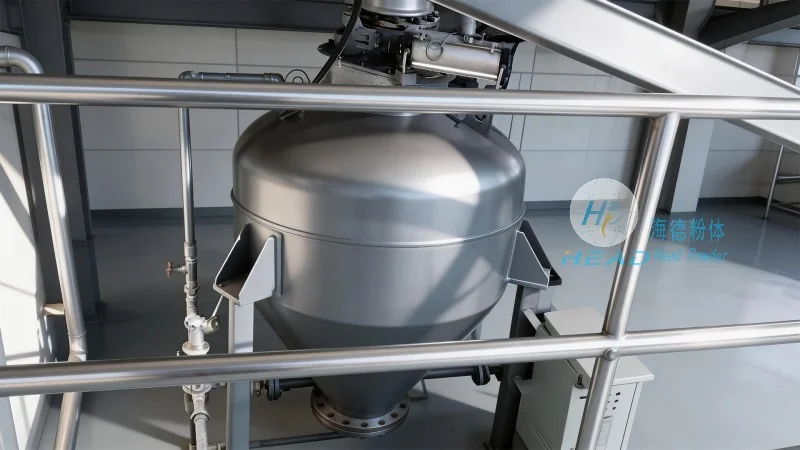
Working Principle of Rapeseed Pneumatic Conveying
The working principle of rapeseed pneumatic conveying involves the use of air to transport seeds or grains through a pipeline system. This method, known as pneumatic conveying, utilizes a combination of positive or negative pressure to move the material. In the case of rapeseed, the system typically operates under positive pressure, where compressed air is introduced into the conveying line to create a flow that carries the seeds forward. The process begins with the rapeseed being loaded into a hopper or storage container, from which it is fed into the conveying line via a feeder mechanism. The air, often supplied by a blower or compressor, creates a pressure differential that propels the seeds through the pipeline. The conveying line may include components such as elbows, bends, and filters to ensure smooth and efficient transport. The system is designed to handle the specific characteristics of rapeseed, such as its size, density, and moisture content, to prevent blockages and maintain consistent flow rates. The final stage involves the delivery of the rapeseed to the destination, such as a processing plant or storage silo, where it is discharged from the system.
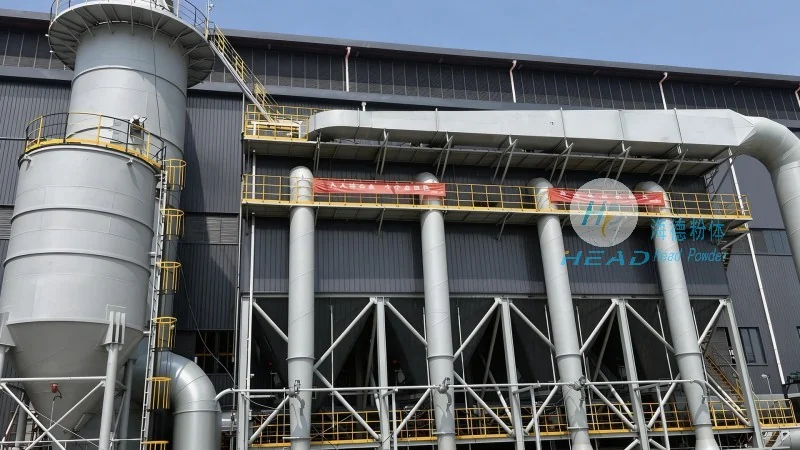
Key Characteristics of Rapeseed Pneumatic Conveying Systems
HeadPowder’s rapeseed pneumatic conveying systems exhibit several notable characteristics that enhance their performance and suitability for agricultural applications. Firstly, the systems are designed for high efficiency, minimizing energy consumption while maximizing material throughput. The use of positive pressure ensures consistent and reliable transport, even for materials with varying properties. Secondly, the systems are highly flexible, allowing for integration with existing infrastructure and adaptation to different operational requirements. This flexibility is crucial for agricultural operations that may need to handle varying quantities of rapeseed or adjust the conveying route as needed. Thirdly, the systems are equipped with advanced control mechanisms that enable precise regulation of air pressure and flow rates, ensuring optimal performance and preventing damage to the rapeseed. Additionally, the materials used in the construction of the conveying line, such as stainless steel or corrosion-resistant alloys, are chosen to withstand the environmental conditions and prevent contamination of the product. The systems also feature filtration and cleaning capabilities to maintain air quality and prevent the buildup of dust or debris, which is essential for maintaining the quality of the rapeseed. Finally, the design of the systems prioritizes safety and durability, with features such as pressure relief valves and robust construction to ensure long-term reliability and minimal maintenance requirements.