

Working Principle and Characteristics of Feather Pneumatic Conveying System
Feather pneumatic conveying systems are widely used in various industrial applications for the efficient transport of lightweight materials. This technology offers a flexible and effective solution for moving materials over short to medium distances, often in environments where traditional mechanical conveying methods may be impractical. The system operates by using compressed air to create a flow that propels the material through a pipeline, making it suitable for a range of industries including food processing, pharmaceuticals, and chemical manufacturing.
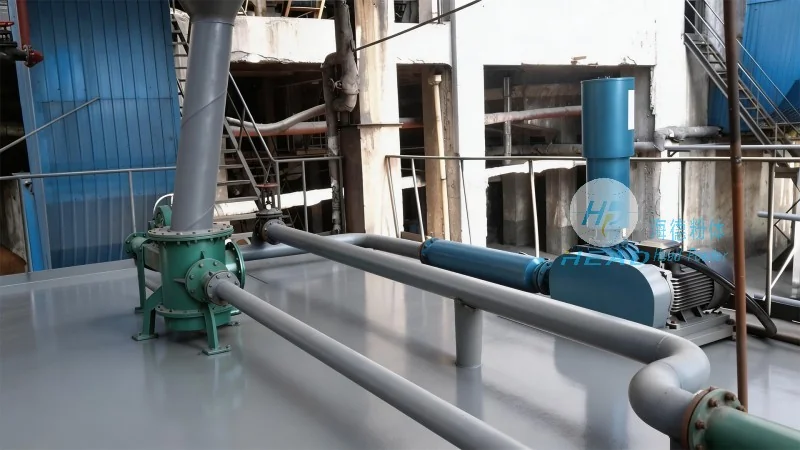
Working Principle of Feather Pneumatic Conveying
The core of a feather pneumatic conveying system lies in its ability to use air pressure to move material. The process typically involves a few key components: a hopper or feeder to hold the material, a blower or compressor to generate the necessary air pressure, and a pipeline network to transport the material from the source to the destination. When the system is activated, the feeder releases the material into the pipeline, and the compressed air creates a low-pressure zone that draws the material along with it. The air and material mixture travels through the pipeline, often with the help of in-line mixers or separators to maintain a consistent flow. The material is then discharged at the receiving end, where a separator or cyclone separates the material from the air before it is vented to the atmosphere.
Key Characteristics of Feather Pneumatic Conveying Systems
Feather pneumatic conveying systems are characterized by several advantages that make them a preferred choice for many applications. One of the most notable features is their ability to handle lightweight, low-density materials, such as feathers, powders, and granules, with high efficiency. The system's design allows for gentle handling of the material, reducing the risk of damage or degradation, which is critical in industries like food and pharmaceuticals where product quality is paramount. Additionally, the system offers flexibility in terms of layout, as the pipeline can be easily reconfigured or extended to accommodate changes in production needs or facility expansions. Another key characteristic is the low maintenance requirement, as there are fewer moving parts compared to mechanical conveyors, leading to reduced downtime and operational costs.
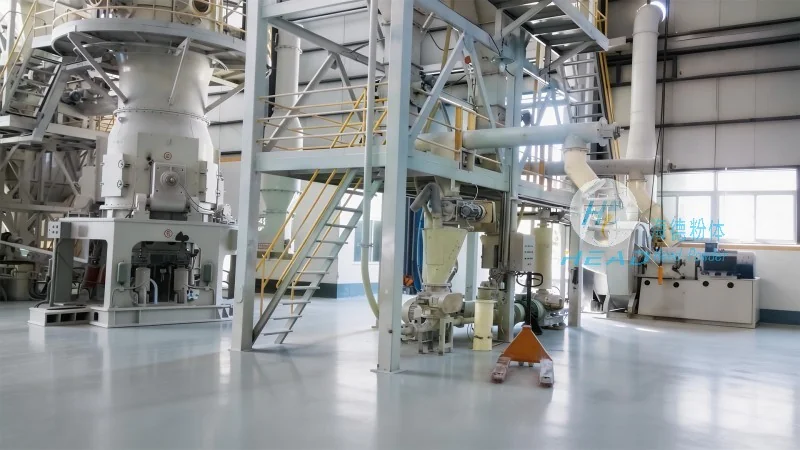
Application Examples and Industry Use Cases
Feather pneumatic conveying systems are commonly employed in industries where the material being transported is lightweight and requires a gentle handling process. For instance, in the food industry, these systems are used to transport flour, sugar, and other powders from storage silos to processing lines. In the pharmaceutical sector, they are utilized to move active ingredients and excipients with precision, ensuring that the materials remain uncontaminated and in their original state. The chemical industry also benefits from this technology when handling fine powders or granules that are sensitive to moisture or contamination. The system's ability to operate in a closed loop, with minimal exposure to the environment, enhances safety and compliance with regulatory standards.
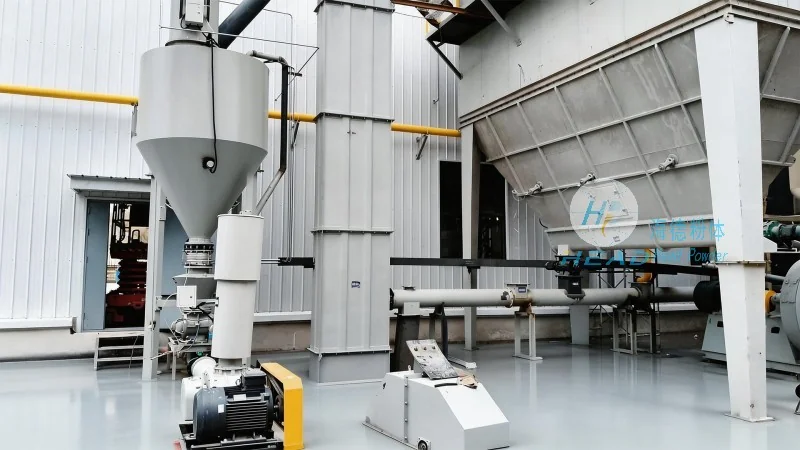
Advantages Over Traditional Conveying Methods
Compared to traditional mechanical conveyors, feather pneumatic conveying systems offer several distinct advantages. Mechanical conveyors often rely on belts, chains, or screws, which can cause friction and wear on the material, potentially leading to product degradation. In contrast, pneumatic systems use air to transport the material, eliminating the need for direct contact and reducing the risk of contamination or damage. This is particularly important for materials that are hygroscopic or sensitive to physical stress. Furthermore, pneumatic conveying systems can handle materials with a wide range of particle sizes and shapes, including fine powders and irregularly shaped particles, which may not be suitable for mechanical conveyors. The flexibility in system design also allows for integration with other processing equipment, such as mixers or classifiers, to create a seamless production line.
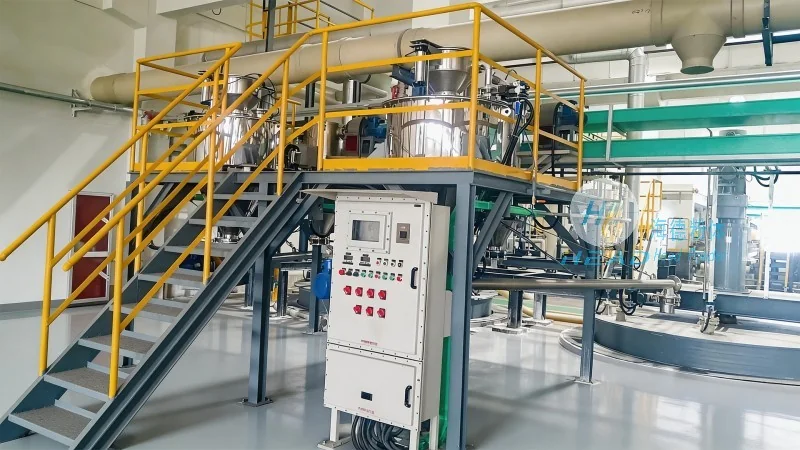
Considerations for System Design and Installation
When designing a feather pneumatic conveying system, several factors must be considered to ensure optimal performance and efficiency. The first is the material properties, including density, particle size, and moisture content, as these affect the air velocity required for effective transport. The system's layout and the length of the pipeline are also critical, as longer distances may require higher air pressure or additional boosters to maintain the material's velocity. The choice of blower or compressor is another important consideration, as different types (such as rotary lobe or centrifugal) offer varying levels of efficiency and noise reduction. Additionally, the system must be equipped with proper filtration and dust collection to comply with environmental regulations and maintain air quality. Proper maintenance, including regular cleaning of the pipeline and replacement of filters, is essential to prevent clogging and ensure consistent operation.
Conclusion and Company Overview
Feather pneumatic conveying systems represent a reliable and efficient solution for transporting lightweight materials in various industrial settings. Their ability to handle delicate materials with minimal damage, combined with flexibility and low maintenance, makes them a valuable asset for many businesses. As a leading provider in this field, Shandong HeadPowder Engineering Co., Ltd. specializes in designing and manufacturing customized pneumatic conveying systems tailored to the specific needs of their clients. With a focus on quality and innovation, the company ensures that their systems meet the highest standards of performance and safety, helping industries achieve optimal material handling solutions.