

What is a Desulfurization Gypsum Material Pneumatic Conveying Line? And What Are Its Design Principl
Desulfurization gypsum, a byproduct of flue gas desulfurization in power plants, is a valuable material that requires efficient handling and transportation. The desulfurization gypsum material pneumatic conveying line is a specialized system designed to transport this material from its source to processing or storage facilities. This article explores the concept of such a system and delves into its fundamental design principles.
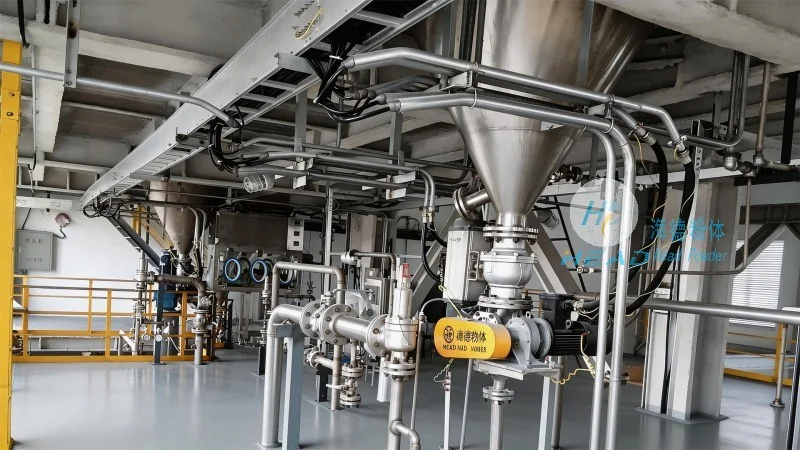
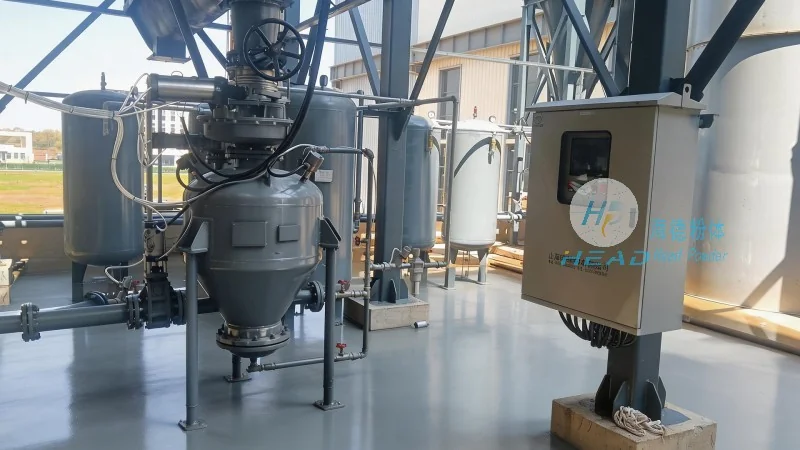
Understanding the Desulfurization Gypsum Material Pneumatic Conveying Line
The desulfurization gypsum material pneumatic conveying line is a critical component in the processing chain of flue gas desulfurization systems. It is engineered to handle the bulk material of desulfurization gypsum, which is typically in a fine powder or granular form. The primary function of this line is to transport the material efficiently, safely, and with minimal environmental impact. The system operates by using air pressure or vacuum to move the material through a network of pipes, ensuring that the material is conveyed without the need for mechanical components like belts or buckets that might cause contamination or wear. Such systems are commonly provided by specialized engineering companies, like Shandong HeadPowder Engineering Co., Ltd., which specializes in designing and manufacturing customized material handling solutions for industrial applications.
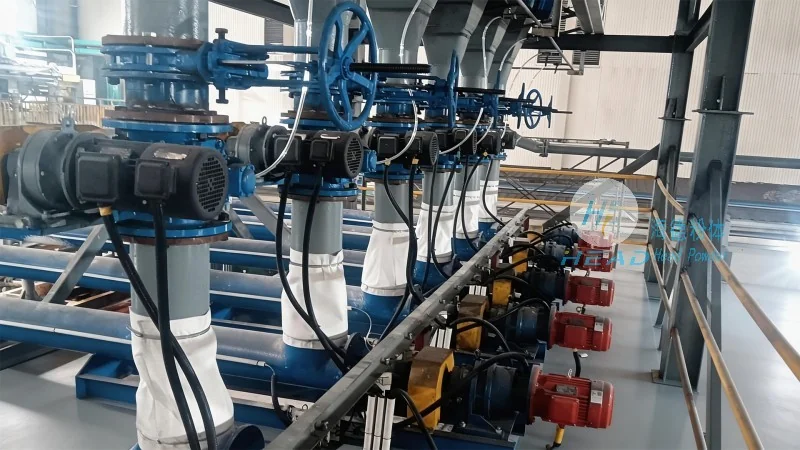
Key Components of the Pneumatic Conveying System
At the core of a desulfurization gypsum material pneumatic conveying line are several key components that work in tandem to ensure effective operation. These include the material feed system, which introduces the gypsum into the conveying line; the conveying pipeline, which transports the material; and the control system, which regulates the air flow and pressure. Additionally, the system may incorporate features such as cyclone separators or filters to separate the material from the air stream, preventing dust emissions and ensuring compliance with environmental regulations. The material feed system is typically designed to handle the bulk material, often using a hopper or silo to store and feed the gypsum into the line. The conveying pipeline is constructed from materials that are resistant to corrosion and abrasion, as the gypsum can be abrasive and may contain acidic components from the flue gas treatment process. The control system uses sensors and valves to maintain optimal air pressure and flow rates, ensuring consistent and reliable material transport.
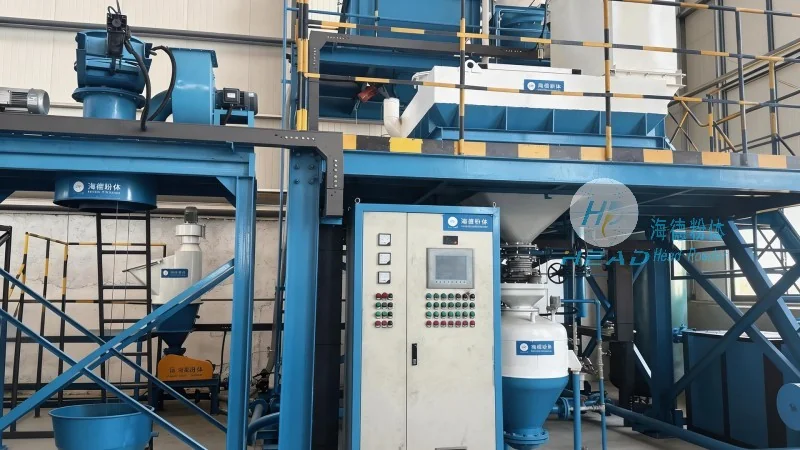
Design Principles for Efficient Material Transport
The design of a desulfurization gypsum material pneumatic conveying line is guided by several key principles aimed at maximizing efficiency, minimizing energy consumption, and ensuring operational safety. One of the primary design considerations is the selection of the appropriate conveying method, which can be either pressure or vacuum-based. Pressure conveying systems use compressed air to push the material through the pipeline, while vacuum systems use a vacuum to pull the material. The choice between these methods depends on factors such as the distance to be covered, the material characteristics, and the required flow rate. Another critical design principle is the sizing of the pipeline and the air velocity. The pipeline diameter and the air velocity must be optimized to prevent material deposition or blockages, which can lead to system failures. Proper sizing ensures that the material is carried in a dilute phase, where the particles are suspended in the air stream, rather than in a dense phase, where the particles settle and cause blockages. The design also considers the impact of the material's properties, such as its particle size distribution, moisture content, and flowability, as these factors influence the system's performance and the required air pressure. For example, finer particles may require higher air velocities to maintain suspension, while more cohesive materials may need additional equipment like agitators or vibrators to prevent clogging.