

What is a Cement Auxiliary Material Pneumatic Conveying Line? And What Are Its Design Principles?
For those in the cement industry, understanding the role of auxiliary material handling systems is crucial for optimizing production efficiency and maintaining operational reliability. A key component in this field is the cement auxiliary material pneumatic conveying line, a technology designed to transport various auxiliary materials such as limestone, gypsum, and fly ash with precision and efficiency. This article explores the fundamental aspects of such systems, focusing on their design principles and practical applications.
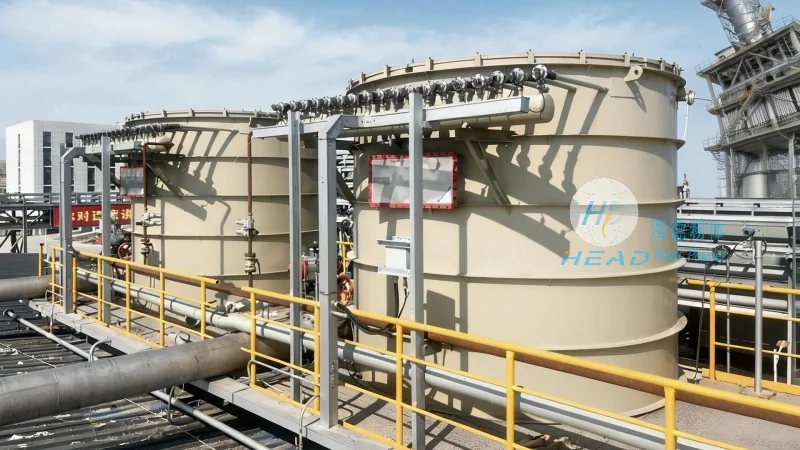
Introduction to Cement Auxiliary Material Pneumatic Conveying Lines
A cement auxiliary material pneumatic conveying line is a specialized system used to transport bulk materials like limestone, gypsum, and fly ash from storage silos or raw material bins to the cement production process. Unlike traditional mechanical conveyors, pneumatic systems utilize air pressure to move materials through a network of pipes, offering advantages in terms of flexibility, cleanliness, and the ability to handle a wide range of particle sizes and moisture contents. The system typically includes components such as a material feeder, air compressor, conveying ducts, a separation and collection unit, and a control system, all working in tandem to ensure smooth material transfer.
Key Components and Functionality
The core components of a cement auxiliary material pneumatic conveying line are integral to its performance. The material feeder, often a rotary valve or a screw feeder, ensures a consistent and controlled flow of material into the system. The air compressor generates the necessary pressure to move the material through the ducts, with the pressure level tailored to the specific characteristics of the material being conveyed. The conveying ducts are made of durable materials like stainless steel or coated steel to withstand the abrasive nature of cement-related materials and the effects of air pressure. A separation and collection unit, such as a cyclone separator or a bag filter, is crucial for separating the material from the air stream and collecting it in the desired location, while the control system monitors and adjusts the operation to maintain optimal performance.
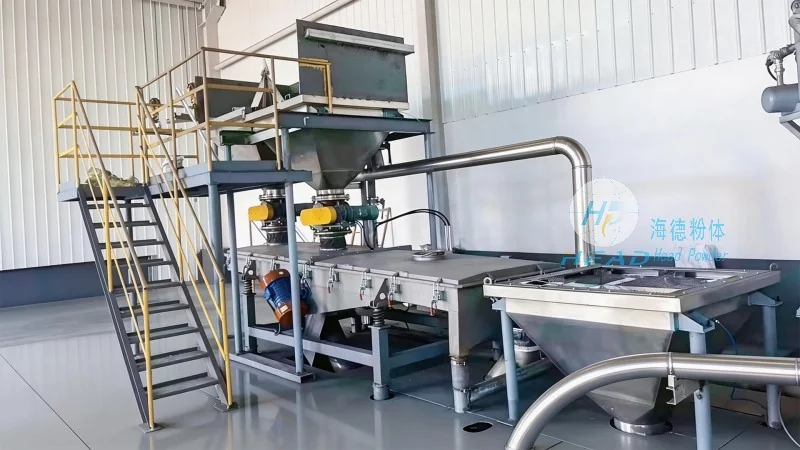
Design Principles and Operational Logic
The design of a cement auxiliary material pneumatic conveying line is based on the principles of fluid dynamics and material handling. The system operates on the principle of creating a pressure differential between the inlet and outlet of the conveying ducts. By injecting air into the material stream, the material is suspended and carried through the pipes. The velocity of the air and the pressure within the system are carefully calculated to ensure that the material remains in suspension without causing excessive wear on the ducts or components. The design also considers factors such as the material's density, particle size distribution, and moisture content, as these variables can impact the required air flow rate and pressure. For example, materials with higher moisture content may require higher air velocities to prevent clogging, while fine powders may need lower velocities to avoid excessive pressure drops. The system is designed to balance these factors to achieve efficient and reliable material transport.
Advantages and Applications
Implementing a cement auxiliary material pneumatic conveying line offers several advantages over traditional mechanical systems. One of the primary benefits is the reduction in dust and contamination, as the material is enclosed within the ducts and handled in a controlled environment. This improves workplace safety and product quality by minimizing the risk of material degradation or contamination. Additionally, pneumatic systems are more flexible in terms of layout, allowing for changes in the production process without major structural modifications. They can also handle materials with varying properties, making them suitable for a wide range of auxiliary materials used in cement production. In practice, these systems are commonly used to transport limestone, which is a key raw material for cement, from storage silos to the raw mill, and to move gypsum and fly ash from their respective storage areas to the clinker production line. The ability to handle these materials efficiently and reliably is critical for maintaining the production schedule and ensuring the quality of the final cement product.
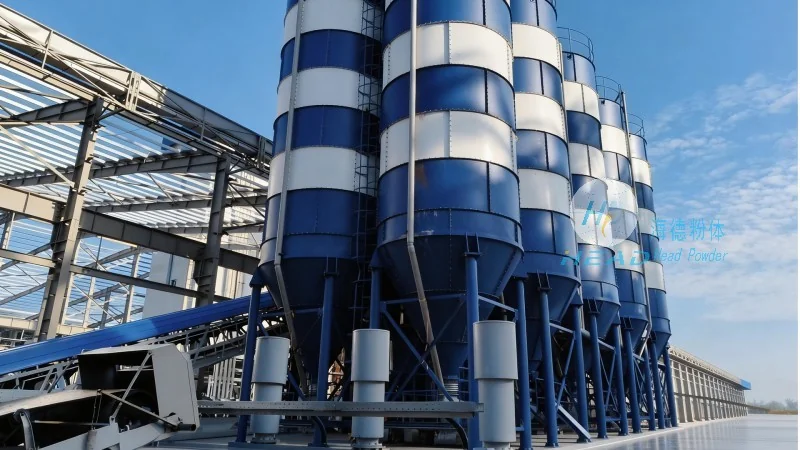
Technical Specifications and Customization Options
When considering a cement auxiliary material pneumatic conveying line, several technical specifications and customization options are available to meet specific operational needs. The system's capacity, measured in terms of material flow rate (e.g., tons per hour), is determined by the production requirements of the cement plant. The pressure range, typically ranging from low to high pressure systems, is selected based on the distance and height the material needs to be conveyed. For example, low-pressure systems are suitable for short distances and low material loads, while high-pressure systems are used for longer distances or when handling more abrasive materials. The duct diameter and length are also customized to accommodate the specific material characteristics and the layout of the plant. Furthermore, the system can be equipped with additional features such as automatic control systems, material level sensors, and emergency shut-off valves to enhance safety and operational efficiency. These customization options allow the system to be tailored to the unique requirements of each cement plant, ensuring optimal performance and longevity.
Conclusion
In conclusion, a cement auxiliary material pneumatic conveying line is a vital component in modern cement production, designed to efficiently and reliably transport auxiliary materials with precision. The system's design, based on fluid dynamics and material handling principles, ensures that materials are transported in a controlled environment, minimizing dust and contamination while optimizing production efficiency. With its flexibility and adaptability, the system is suitable for a wide range of applications in the cement industry. As a leading provider in this field, Shandong HeadPowder Engineering Co., Ltd. specializes in designing and manufacturing customized pneumatic conveying solutions that meet the specific needs of cement plants, ensuring high performance and durability. By leveraging advanced technology and expertise, these systems contribute to the overall efficiency and quality of cement production, making them an essential investment for any modern cement facility.