Feeding ferrous sulfate, a critical chemical used in water treatment and industrial processes, requires efficient and reliable methods to ensure consistent performance. The choice of feeding method depends on factors such as the material's physical properties, application requirements, and operational conditions. This article explores several common methods for transporting ferrous sulfate, highlighting their advantages and practical applications.
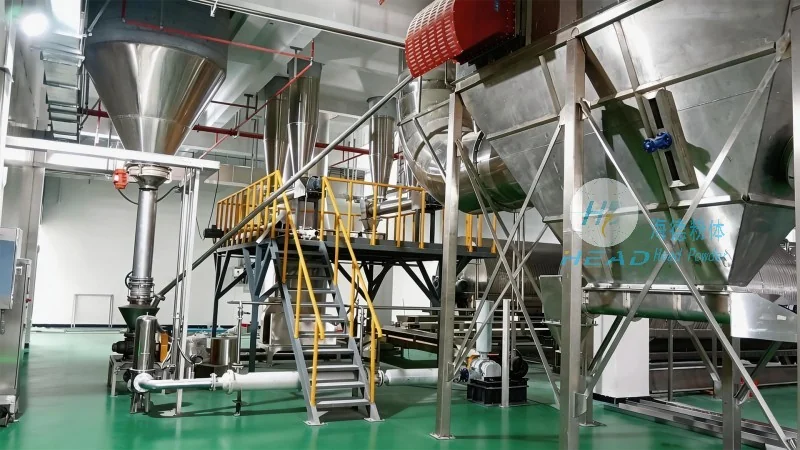
1. Pumping Systems for Ferrous Sulfate
Pumping is one of the most widely used methods for transporting ferrous sulfate, especially when dealing with liquid or slurry forms. Centrifugal pumps are commonly employed due to their ability to handle high flow rates and moderate pressures. These pumps are effective for transferring ferrous sulfate solutions from storage tanks to processing equipment. The selection of pump type, such as progressive cavity or diaphragm pumps, depends on the viscosity and solids content of the solution. For instance, progressive cavity pumps are ideal for handling viscous ferrous sulfate solutions with suspended solids, ensuring smooth and continuous flow. Proper maintenance of pumping systems is crucial to prevent clogging and ensure consistent delivery of the chemical.
2. Screw Conveyors for Ferrous Sulfate
Screw conveyors are another effective method for transporting solid ferrous sulfate, particularly in bulk handling applications. These conveyors use a rotating screw (helix) to move material along a U-shaped trough. The design allows for gentle handling of the material, minimizing degradation or segregation. Screw conveyors are suitable for both horizontal and inclined transport, making them versatile for various industrial setups. They are often used in conjunction with storage silos or hoppers to feed ferrous sulfate into reactors or mixing tanks. The speed and pitch of the screw can be adjusted to control the flow rate, ensuring precise dosing of the chemical. This method is particularly advantageous for applications requiring controlled and uniform feeding of ferrous sulfate.
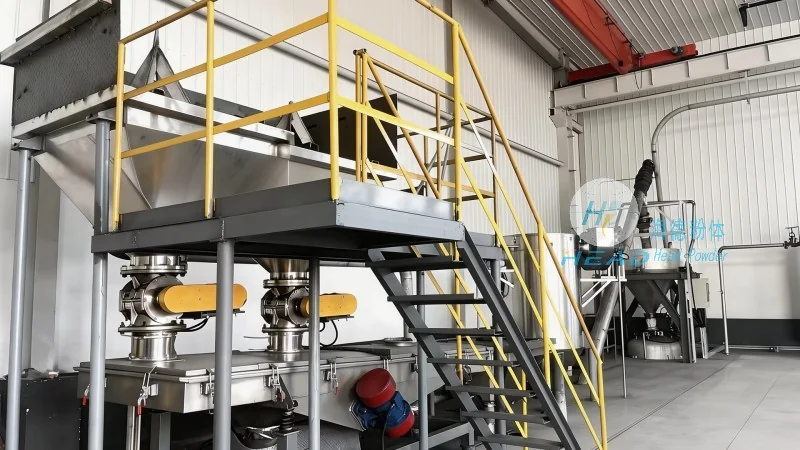
3. Air-Pressure (Pneumatic) Conveying for Ferrous Sulfate
Air-pressure or pneumatic conveying systems use compressed air to transport ferrous sulfate as a dry powder or fine granules. This method is ideal for applications where dust control and minimal material degradation are critical. The system typically consists of a hopper, a venturi tube, and a receiver. The ferrous sulfate is drawn into the system by the air flow, which carries the material to the destination. Pneumatic conveying can be either positive or negative pressure, depending on the application. Positive pressure systems are suitable for long-distance transport, while negative pressure systems are better for short distances or when handling fine powders. This method is commonly used in industries where the ferrous sulfate is used as a raw material in manufacturing processes, ensuring a clean and efficient transfer.
4. Belt Conveyors for Ferrous Sulfate
Belt conveyors are a robust and efficient method for transporting bulk ferrous sulfate, especially in large-scale operations. These systems consist of a continuous belt that moves over rollers or pulleys, transporting the material from one point to another. Belt conveyors are capable of handling high volumes of material and can be customized for different inclinations and lengths. They are often used in conjunction with storage facilities to feed ferrous sulfate into processing lines. The design of the belt, such as the material and thickness, is chosen based on the abrasiveness of the ferrous sulfate and the expected load. Proper tensioning and alignment of the belt are essential to prevent slippage and ensure smooth operation. This method is particularly effective for applications requiring continuous and high-capacity transport of ferrous sulfate.
5. Gravity Feeding for Ferrous Sulfate
Gravity feeding is a simple and cost-effective method for transporting ferrous sulfate, especially when the material is stored in elevated hoppers or silos. The principle involves allowing the ferrous sulfate to flow down due to gravity from the storage container to the processing equipment. This method is suitable for applications where the material is in a solid form and the vertical distance is sufficient to create a natural flow. Gravity feeding systems typically include a hopper with an outlet and a control valve to regulate the flow rate. The design of the hopper and outlet is critical to ensure smooth and unobstructed flow, preventing blockages or uneven discharge. This method is commonly used in small-scale operations or for low-volume applications where the cost of mechanical equipment is not justified.
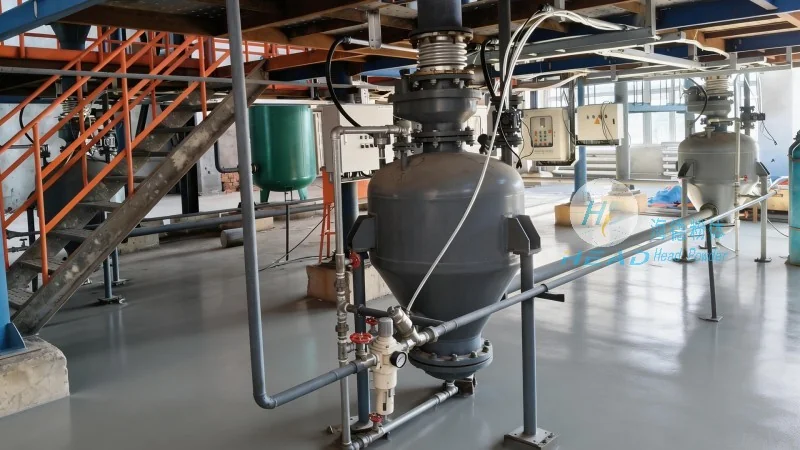
6. Combination Systems for Ferrous Sulfate
In many industrial applications, a combination of feeding methods is used to optimize the transport of ferrous sulfate. For example, a screw conveyor may be used to move the solid ferrous sulfate from a storage silo to a hopper, which then feeds into a pneumatic conveying system for final delivery to the processing unit. This integrated approach allows for efficient handling of different material forms and ensures consistent dosing. Combination systems are particularly useful in complex processes where multiple steps are involved in the preparation and use of ferrous sulfate. The selection of components in a combination system depends on the specific requirements of the application, such as flow rate, pressure, and material characteristics. Proper integration and maintenance of these systems are essential to ensure reliable operation and minimize downtime.
Conclusion: Choosing the Right Feeding Method for Ferrous Sulfate
Choosing the appropriate feeding method for ferrous sulfate is crucial for maintaining the efficiency and effectiveness of industrial processes. The selection should be based on factors such as the physical state of the material, the required flow rate, the distance to be covered, and the operational environment. Pumping systems are ideal for liquid or slurry forms, while screw and belt conveyors are suitable for solid bulk material. Pneumatic conveying offers advantages in dust control and fine powder handling, and gravity feeding provides a simple and cost-effective solution for low-volume applications. In many cases, a combination of these methods may be employed to meet the specific needs of the process. By carefully evaluating these options and considering the characteristics of the ferrous sulfate being handled, industrial operators can select the most suitable feeding method to ensure optimal performance and reliability.




