Molybdenum oxide (MoO3) is a critical industrial material widely used in various applications, including catalysts, pigments, and electronic components. The efficient and safe transportation of MoO3 from production sites to processing facilities is essential for maintaining production efficiency and ensuring product quality. Traditional conveying methods, such as belt conveyors or bucket elevators, may pose challenges when handling fine powders like MoO3, including issues with dust generation, material degradation, and system maintenance. To address these challenges, many industries are turning to advanced pneumatic conveying systems, which offer a more controlled and reliable way to transport molybdenum oxide. In this article, we will explore the different types of MoO3 conveying methods and introduce HeadPowder's specialized pneumatic conveying solutions designed to meet the unique needs of MoO3 handling.
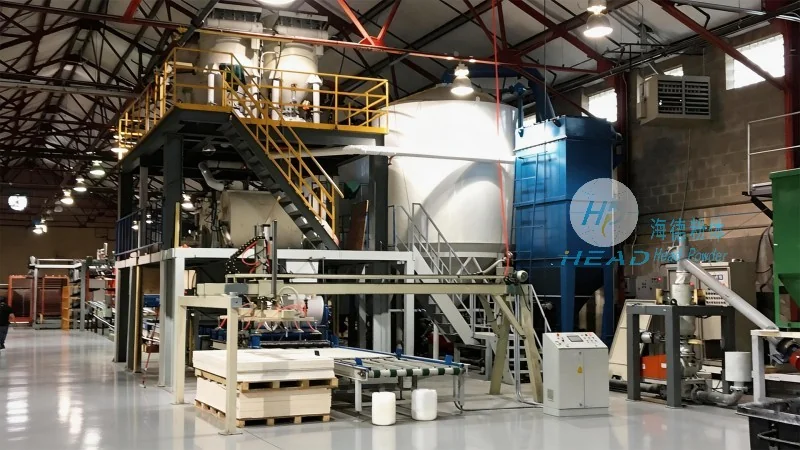
Types of Conveying Methods for Molybdenum Oxide
When it comes to transporting molybdenum oxide, several methods are commonly employed, each with its own advantages and limitations. The choice of conveying method depends on factors such as the particle size of the MoO3, the required conveying distance, the volume of material to be transported, and the environmental regulations in the operating area. The primary types of MoO3 conveying methods include:
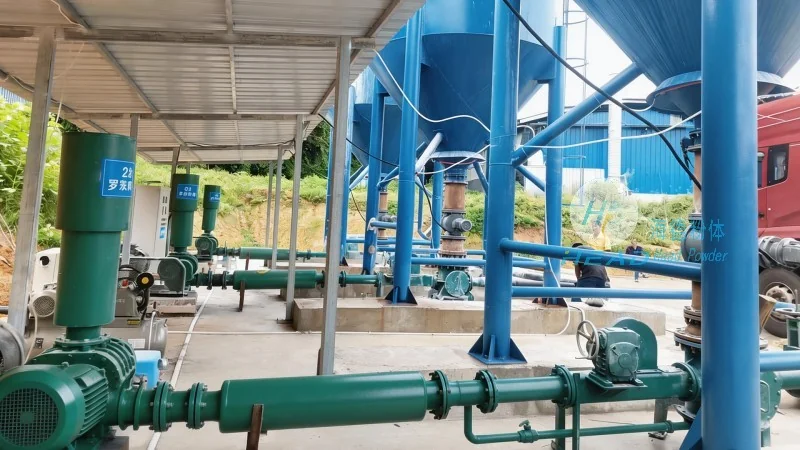
- Pneumatic Conveying: This method uses compressed air or other gases to move the MoO3 particles through a pipeline. Pneumatic conveying systems can be further categorized into pressure and vacuum systems, each with distinct characteristics. Pressure systems are suitable for short to medium conveying distances and high material flow rates, while vacuum systems are ideal for longer distances or when the material needs to be drawn from a source.
- Mechanical Conveying: Mechanical systems, such as belt conveyors, screw conveyors, and bucket elevators, rely on mechanical components to move the MoO3. These systems are generally more cost-effective for larger particle sizes or bulk material handling but may not be suitable for fine powders due to the risk of dust accumulation and material degradation.
- Hybrid Conveying: Some facilities use a combination of pneumatic and mechanical conveying to optimize material transport. For example, a pneumatic system might be used to transport MoO3 from a storage silo to a processing unit, while a mechanical conveyor handles the material within the processing plant.
HeadPowder's Pneumatic Conveying Solutions for MoO3
Shandong HeadPowder Engineering Co., Ltd., a leading provider of specialized conveying equipment, offers advanced pneumatic conveying systems tailored to the specific requirements of molybdenum oxide handling. HeadPowder's solutions are designed to address the unique challenges associated with MoO3, including its fine particle size, hygroscopic nature, and potential for dust explosion. The company's MoO3 pneumatic conveying systems are engineered to ensure safe, efficient, and reliable transport of the material, minimizing the risk of product contamination and system downtime.
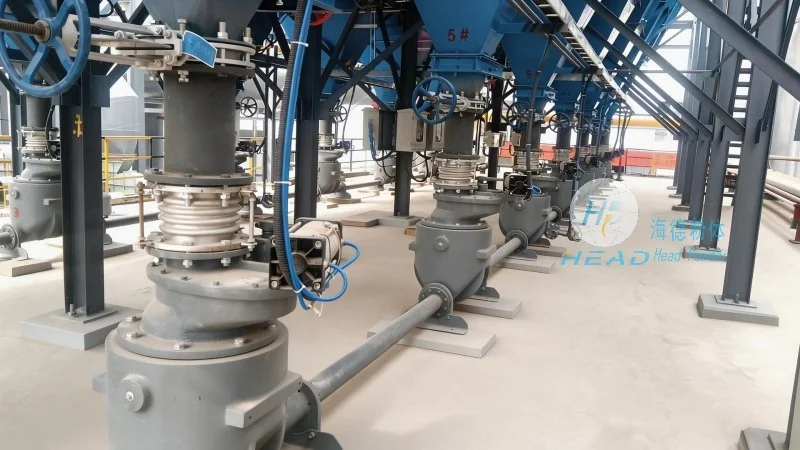
HeadPowder's pneumatic conveying systems utilize high-quality components, including stainless steel or special alloys to resist corrosion and wear from the MoO3 particles. The systems are equipped with advanced control panels that allow for precise regulation of air pressure, flow rate, and material velocity, ensuring optimal performance and minimizing energy consumption. Additionally, the company's systems are designed with safety features such as explosion-proof valves and dust collection systems to comply with industry standards and regulations.
One of the key advantages of HeadPowder's MoO3 pneumatic conveying solutions is their adaptability to different production environments. Whether the application requires a pressure system for short-distance transport or a vacuum system for longer distances, HeadPowder can customize a solution to meet the specific needs of the client. The company's engineering team works closely with clients to assess their conveying requirements, including the volume of MoO3 to be transported, the distance between the source and destination, and the existing infrastructure, to design a system that maximizes efficiency and minimizes operational costs.
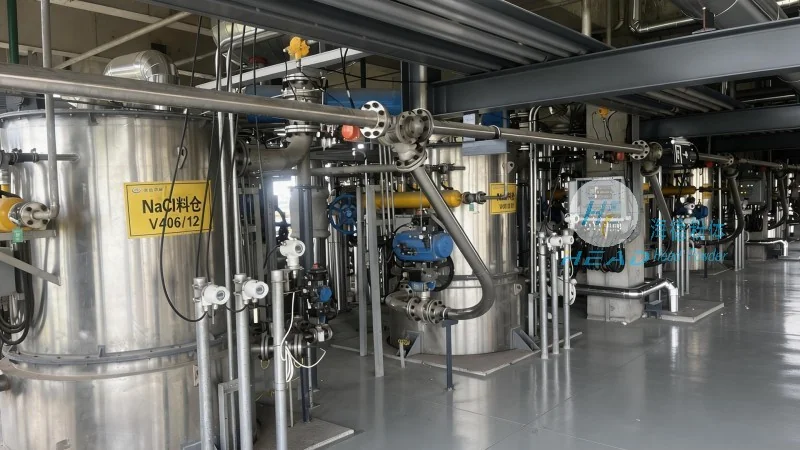
Key Features of HeadPowder's MoO3 Pneumatic Conveying Systems
HeadPowder's MoO3 pneumatic conveying systems are equipped with several features that make them ideal for handling molybdenum oxide:




