

What is a Polyethylene Material Pneumatic Conveying System? What Are Its Design Principles?
For industries dealing with polyethylene materials, efficient material handling is crucial for maintaining production efficiency and safety. A polyethylene material pneumatic conveying system is a specialized solution designed to transport polyethylene powders or granules through a pipeline using air pressure. This system is widely used in various sectors, including plastics manufacturing, chemical processing, and food processing, where reliable and safe material transport is essential.
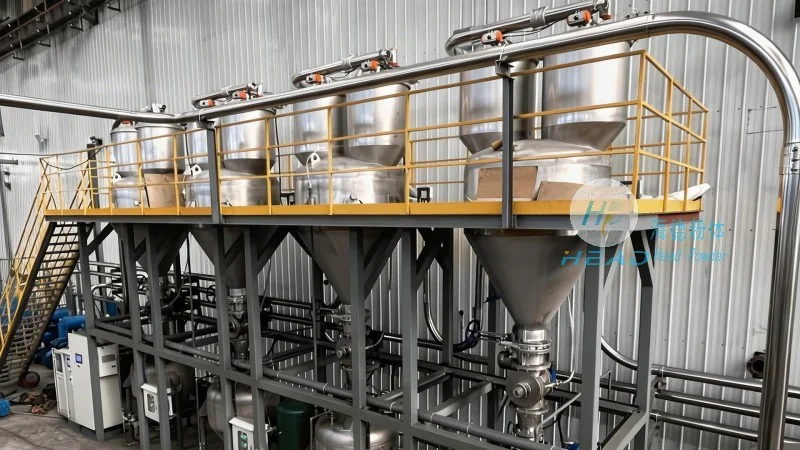
Shandong HeadPowder Engineering Co., Ltd., a leading provider in the field, offers advanced pneumatic conveying solutions tailored to the unique needs of polyethylene applications. With a strong focus on engineering excellence and customer satisfaction, HeadPowder has established itself as a trusted partner for businesses seeking to optimize their material handling processes.
Design Principles of Polyethylene Pneumatic Conveying Systems
The core design principles of a polyethylene material pneumatic conveying system revolve around the efficient use of air pressure to move materials through a closed pipeline system. The system typically consists of a blower or compressor that generates the necessary air flow, a hopper or feeder to introduce the polyethylene material, and a pipeline network that transports the material to the destination point. The design must consider factors such as material properties, flow rates, and system pressure to ensure optimal performance.
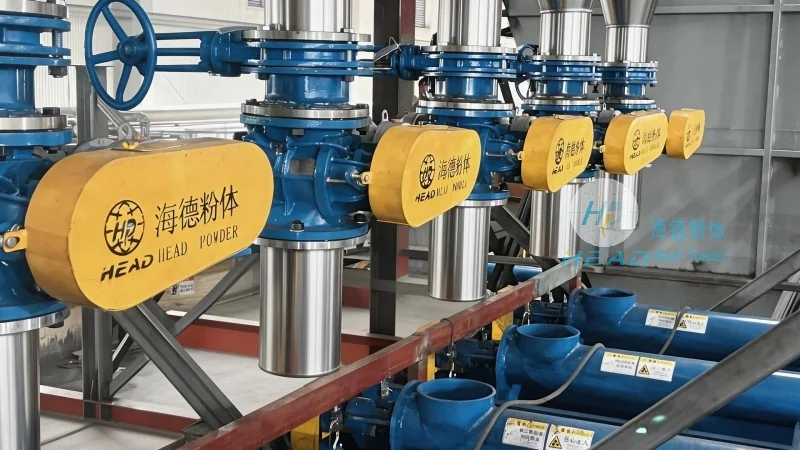
One of the key design considerations is the selection of the appropriate conveying method. There are two main types of pneumatic conveying systems: dilute-phase and dense-phase. Dilute-phase systems use low air velocities to transport materials in a suspended state, while dense-phase systems use higher air velocities to create a slurry-like flow. For polyethylene, the choice between these methods depends on the material's characteristics, such as particle size, density, and moisture content. The design must also account for the potential for material degradation or caking, which can affect system performance and require additional measures like temperature control or anti-static components.
Key Components of the System
Each polyethylene material pneumatic conveying system includes several critical components that work together to ensure reliable operation. The primary components are the air compressor or blower, which provides the motive force for material transport. The hopper or feeder is responsible for feeding the polyethylene material into the system, often equipped with a rotary valve or screw feeder to control the flow rate. The pipeline network, typically made of stainless steel or other corrosion-resistant materials, is designed to withstand the pressure and material properties of polyethylene. The system may also include a filter or cyclone to separate the material from the air at the receiving end, preventing dust and debris from escaping into the environment. Additionally, control systems and sensors are integrated to monitor and regulate the system's performance, ensuring consistent and safe operation.
Applications in Polyethylene Processing
Polyethylene material pneumatic conveying systems are widely used in various applications within the polyethylene processing industry. In plastics manufacturing, these systems are used to transport raw polyethylene pellets or powders from storage silos to processing equipment, such as extruders or injection molding machines. This ensures a continuous and controlled supply of material, reducing downtime and improving production efficiency. In chemical processing facilities, the system can transport polyethylene additives or masterbatches, which are often mixed with other chemicals or pigments. The ability to handle these materials in a closed system minimizes contamination and ensures product quality. Additionally, in food processing, polyethylene-based materials, such as food-grade plastics, are transported using these systems to maintain hygiene and prevent cross-contamination with other products.
Advantages of Using a Polyethylene Pneumatic Conveying System
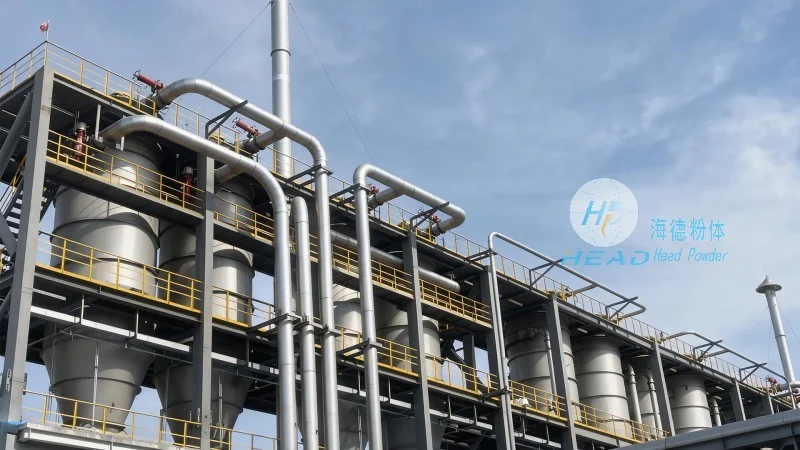
Implementing a polyethylene material pneumatic conveying system offers several advantages over traditional material handling methods. One of the most significant benefits is the ability to transport materials in a closed system, which reduces dust emissions and improves workplace safety. This is particularly important for polyethylene powders, which can be fine and potentially hazardous if released into the air. The closed system also helps maintain product purity, as it prevents contamination from external sources. Another advantage is the high efficiency in material transport, as the system can move large quantities of polyethylene over long distances with minimal energy consumption compared to other methods like conveyor belts or trucks. The system's flexibility also allows for easy integration with existing production lines, enabling businesses to upgrade their material handling capabilities without major disruptions.
HeadPowder's Commitment to Quality and Innovation
Shandong HeadPowder Engineering Co., Ltd. takes pride in its commitment to delivering high-quality polyethylene material pneumatic conveying systems that meet the specific needs of its clients. The company's engineering team works closely with customers to understand their production requirements and design customized solutions that optimize material flow, reduce costs, and enhance safety. HeadPowder utilizes advanced design software and testing facilities to ensure that each system is built to the highest standards, with rigorous quality control measures in place to verify performance and durability. The company also provides comprehensive after-sales support, including maintenance services and technical assistance, to ensure that the system operates at peak efficiency throughout its service life. By combining expertise in pneumatic conveying technology with a customer-centric approach, HeadPowder helps businesses in the polyethylene industry achieve their operational goals and maintain a competitive edge in the market.