

What is a Hydrogen Sulfide Material Pneumatic Conveying System? And What Are Its Design Principles?
Hydrogen sulfide (H₂S) is a highly toxic and corrosive gas commonly encountered in industrial processes, particularly in the chemical, petroleum, and mining sectors. The safe and efficient handling of materials contaminated with or associated with H₂S requires specialized equipment, such as a pneumatic conveying system. This article explores the concept of a hydrogen sulfide material pneumatic conveying system, its core components, and the fundamental design principles that ensure safe operation and reliable material transport.
Understanding Hydrogen Sulfide Material Pneumatic Conveying Systems
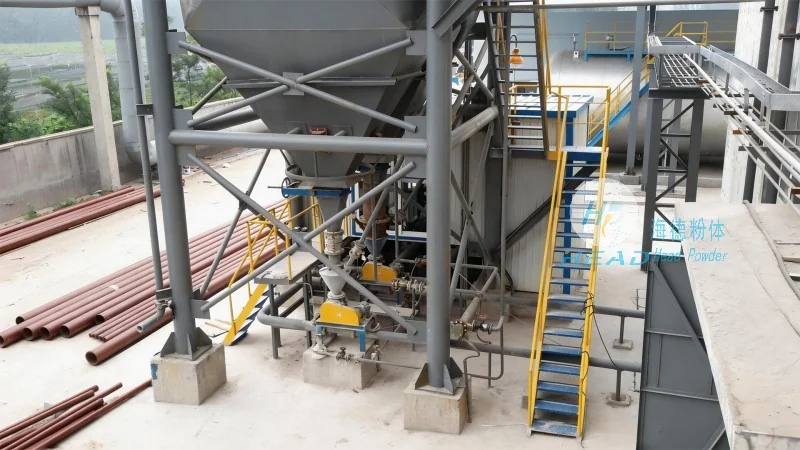
A hydrogen sulfide material pneumatic conveying system is a specialized industrial setup designed to transport bulk materials that may be contaminated with or generated alongside hydrogen sulfide gas. Unlike conventional pneumatic conveying systems, these systems incorporate additional safety and control measures to mitigate the risks associated with H₂S exposure and corrosion. The system typically includes a hopper for material storage, a conveyor line (either positive or negative pressure), and a gas handling unit that manages the H₂S-laden air or inert gas used for conveying. The primary goal is to move materials from a source to a destination while maintaining a safe environment and preventing equipment damage due to H₂S corrosion.
Key Components of the System
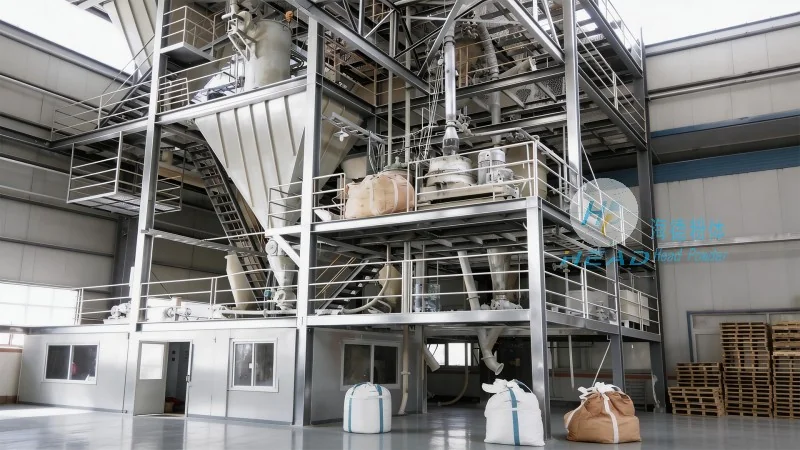
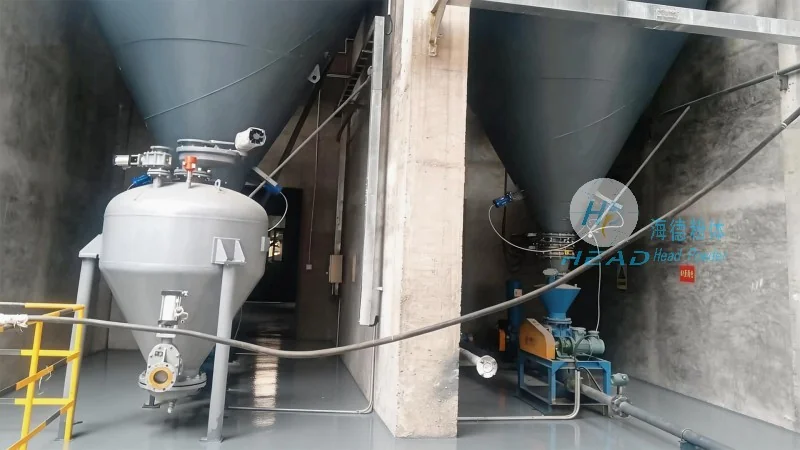
The effectiveness of a hydrogen sulfide material pneumatic conveying system relies on several critical components working in tandem. The first component is the material hopper, which stores the bulk material to be conveyed. This hopper is often equipped with a feeding mechanism, such as a rotary valve or a screw feeder, to control the flow of material into the conveyor line. The conveyor line itself is the core of the system, responsible for transporting the material through the air stream. It can be designed as a positive pressure system, where air is blown into the line to push the material, or a negative pressure system, where air is drawn out to pull the material. The gas handling unit is another essential component, which includes filters, cyclones, and possibly a gas scrubber to remove H₂S from the exhaust air and prevent environmental contamination. Additionally, the system may include pressure vessels, control panels, and sensors to monitor pressure, flow, and gas levels, ensuring safe and efficient operation.
Design Principles for Safe and Efficient Operation
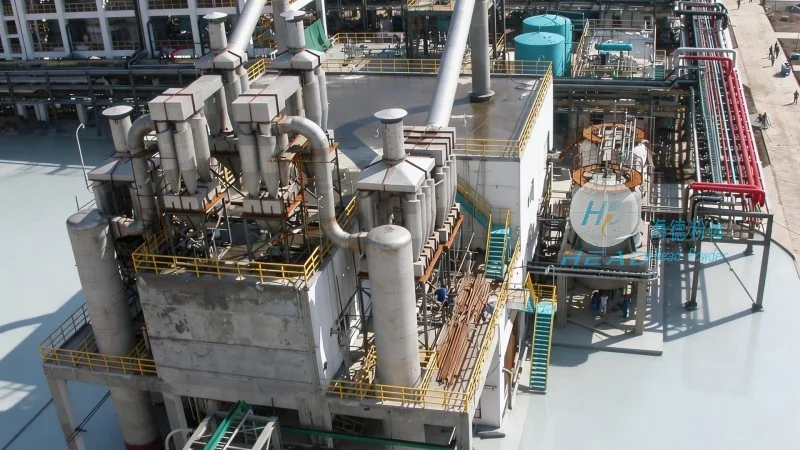
The design of a hydrogen sulfide material pneumatic conveying system must adhere to strict principles to ensure safety, reliability, and compliance with industrial standards. The first principle is material compatibility: all components, including pipes, valves, and hoppers, must be constructed from materials resistant to H₂S corrosion, such as stainless steel, Hastelloy, or specialized coatings. This prevents the degradation of equipment and the release of toxic gas. The second principle is gas management: the system must incorporate proper ventilation and gas scrubbing to minimize H₂S emissions and protect personnel from exposure. This includes using inert gases like nitrogen or carbon dioxide to displace H₂S in the conveyor line and ensuring that exhaust gases are treated before release. The third principle is pressure control: the system must maintain appropriate pressure levels to avoid material blockages or equipment failure. This involves using pressure sensors and control valves to regulate the air flow and material feed rate. The fourth principle is safety interlocks: the system should include safety features such as emergency shut-off valves, gas detectors, and alarms to stop operation in case of abnormal conditions, such as high H₂S levels or pressure spikes. These principles collectively ensure that the system operates safely and efficiently, protecting both personnel and the environment.
Applications and Benefits
Hydrogen sulfide material pneumatic conveying systems are widely used in industries where H₂S is present, including the chemical industry for handling sulfur-containing raw materials, the petroleum industry for transporting crude oil or refinery byproducts, and the mining industry for moving ore or tailings. The benefits of these systems include improved safety by reducing direct contact with H₂S, increased efficiency by automating material transport, and reduced labor costs by minimizing manual handling. Additionally, the use of specialized materials and design features ensures that the system can withstand the harsh conditions associated with H₂S, leading to longer equipment life and lower maintenance costs.
About Shandong HeadPowder Engineering Co., Ltd.
Shandong HeadPowder Engineering Co., Ltd., commonly known as HeadPowder, is a leading manufacturer and supplier of industrial pneumatic conveying systems, including those designed for handling hydrogen sulfide materials. With a focus on innovation and safety, HeadPowder specializes in developing customized solutions tailored to the unique needs of each client. The company is headquartered in Shandong, China, and serves clients globally with high-quality equipment and technical support. HeadPowder's commitment to safety and reliability has made it a trusted partner in industries where handling hazardous materials is critical. By adhering to strict design principles and using advanced materials, HeadPowder ensures that its systems meet or exceed industry standards, providing clients with reliable and efficient solutions for their material transport needs.