

What is a Light Calcium Powder Material Pneumatic Conveying System? And What Are Its Design Principl
Light calcium powder, also known as precipitated calcium carbonate (PCC), is a widely used industrial material in various sectors such as paper, plastics, and coatings. The efficient handling and transportation of this fine powder is crucial for maintaining production efficiency and product quality. Pneumatic conveying systems have emerged as a reliable solution for transporting light calcium powder from storage to processing units. This article explores the concept of light calcium powder pneumatic conveying systems, detailing their design principles and practical applications.
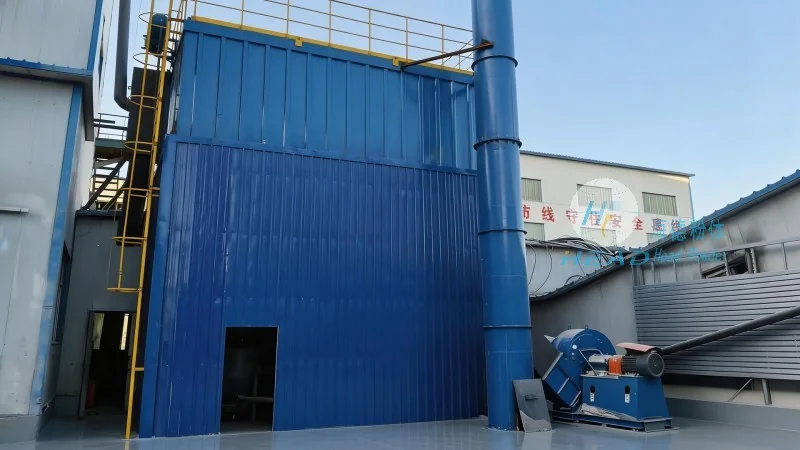
What Is a Light Calcium Powder Pneumatic Conveying System?
A light calcium powder pneumatic conveying system is a mechanical system that uses compressed air or other gas to transport light calcium powder (or other fine powders) from a source to a destination. Unlike traditional mechanical conveyors, which rely on physical contact and friction, pneumatic systems utilize the kinetic energy of the conveying medium to move the material through a pipeline. The system typically consists of several key components, including a hopper or feeder, a compressor or blower, a pipeline network, and a receiver or discharge unit. These components work in tandem to ensure the safe and efficient transport of light calcium powder, minimizing material degradation and operational downtime.
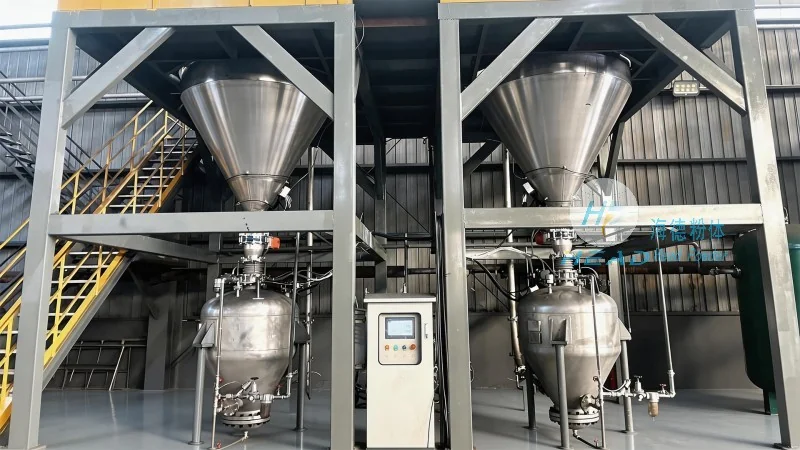
Key Components of a Light Calcium Powder Pneumatic Conveying System
The effectiveness of a pneumatic conveying system for light calcium powder depends on the proper integration of its core components. Each component plays a critical role in the overall operation and performance of the system.
- Hopper or Feeder: The hopper is the initial storage and feeding unit where light calcium powder is held before being conveyed. It is designed to maintain a consistent material level and control the flow rate into the system. For light calcium powder, which is prone to bridging or caking, the hopper often includes features like agitators or vibrators to prevent material buildup and ensure smooth feeding.
- Compressor or Blower: The compressor or blower is the heart of the pneumatic system, responsible for generating the necessary air pressure or velocity to move the powder through the pipeline. The choice between a compressor and a blower depends on the system's requirements, such as the distance, flow rate, and material characteristics. For light calcium powder, which is fine and can be abrasive, a high-efficiency blower or a specially designed compressor with minimal particle impact is preferred to prevent wear and maintain system longevity.
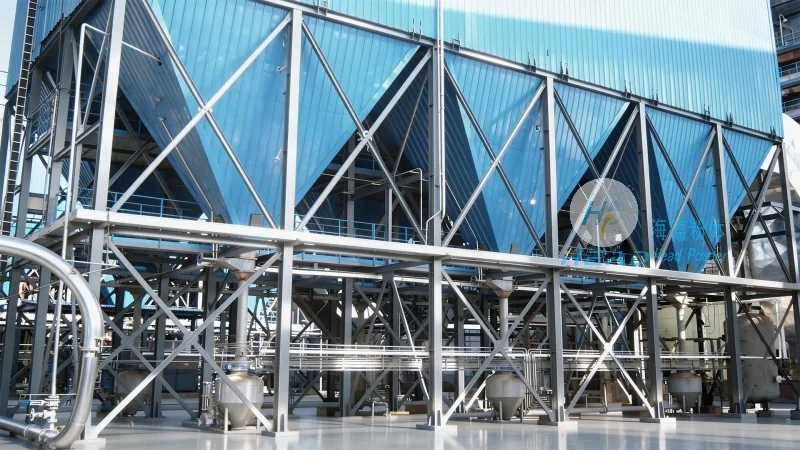
- Pipeline Network: The pipeline network is the conduit through which the light calcium powder and air mixture travels. It is typically made of materials like stainless steel, aluminum, or plastic, selected based on the material's chemical compatibility and the system's operating conditions. The pipeline design considers factors like the conveying distance, pressure drop, and the need for bends or elbows, which can affect the system's efficiency and material handling performance.
- Receiver or Discharge Unit: The receiver is the final unit where the light calcium powder is deposited after being conveyed. It is designed to separate the powder from the air and collect it in a storage or processing container. The receiver may include features like a dust filter or cyclone separator to capture any fine particles and prevent air leakage, ensuring a clean and efficient discharge process.
Design Principles for Light Calcium Powder Pneumatic Conveying Systems
The design of a light calcium powder pneumatic conveying system involves several key principles aimed at optimizing performance, efficiency, and material handling. These principles are tailored to the unique characteristics of light calcium powder, such as its fine particle size, low bulk density, and potential for static electricity.
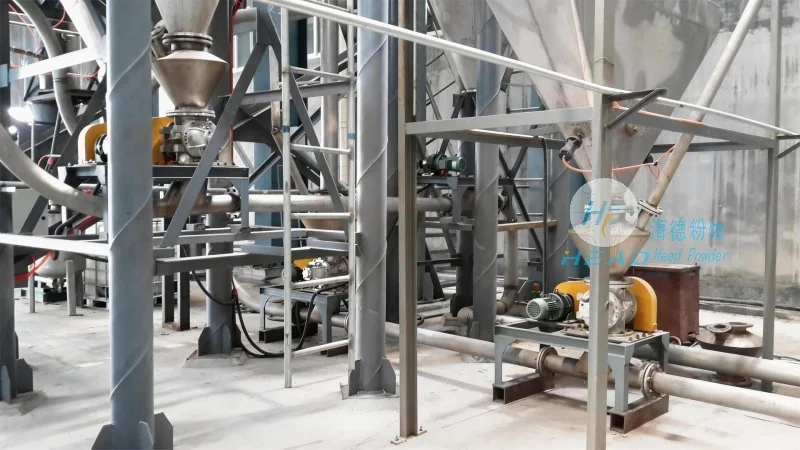
- Pressure Drop Management: The pressure drop in the pipeline is a critical factor in determining the system's efficiency. Excessive pressure drop can lead to reduced flow rates and increased energy consumption, while insufficient pressure drop may result in material deposition or blockages. Engineers design the system by calculating the appropriate air velocity and pipeline diameter to minimize pressure drop while ensuring the powder is adequately suspended and transported.
- Material Suspension and Velocity: For light calcium powder, which has a low bulk density, achieving proper suspension is essential. The air velocity in the pipeline must be sufficient to keep the powder particles in a suspended state, preventing them from settling or caking. The design typically involves determining the minimum conveying velocity based on the powder's properties and the pipeline's dimensions to ensure reliable transport.
- Prevention of Material Deposition and Blockages: Light calcium powder is prone to deposition on pipeline walls, especially at bends or low points, which can lead to blockages and system failures. Design principles include using smooth pipeline surfaces, incorporating anti-caking devices like vibrators or air knives, and maintaining consistent air flow to prevent material buildup. Additionally, the system may include cleaning mechanisms or regular maintenance schedules to address any potential blockages.
- Handling of Static Electricity: Fine powders like light calcium powder can generate static electricity during handling, which may cause material attraction to pipeline surfaces or equipment, leading to uneven flow or blockages. Design considerations include incorporating grounding systems or anti-static additives to neutralize static charges and ensure smooth material transport.
Applications and Benefits of Light Calcium Powder Pneumatic Conveying Systems
Light calcium powder pneumatic conveying systems are widely used in various industrial applications due to their efficiency and adaptability. Some common applications include: