

What is a Dust Collection Material Pneumatic Conveying System? What are its Design Principles?
Dust collection material pneumatic conveying systems are specialized industrial equipment designed to transport fine particulate materials, such as dust collected from industrial processes, through a pipeline using compressed air or other gas streams. These systems are crucial in various industries, including manufacturing, mining, and waste management, where efficient and safe handling of dust-laden materials is essential. The design of such systems involves careful consideration of material properties, flow dynamics, and operational requirements to ensure optimal performance and reliability.
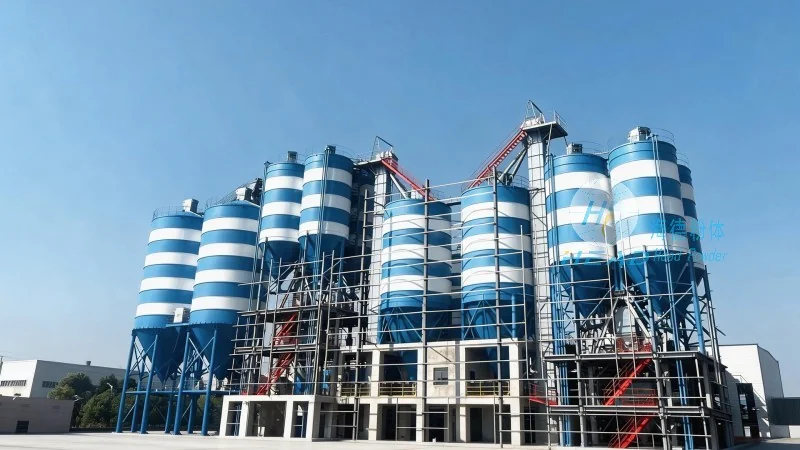
Introduction to Dust Collection Material Pneumatic Conveying Systems
Dust collection material pneumatic conveying systems are engineered to handle the transportation of fine particulate materials, typically arising from industrial processes like filtration, grinding, or combustion. The primary goal of these systems is to move dust-laden materials from a collection point to a storage or processing location without the need for mechanical components like belts or buckets. By utilizing the force of compressed air, these systems can achieve high-velocity transport, making them ideal for applications where traditional bulk material handling methods may be impractical or inefficient.
The Core Function of Pneumatic Conveying Systems for Dust Collection Materials
The core function of a dust collection material pneumatic conveying system is to facilitate the movement of fine particles through a pipeline. This is achieved by generating a high-velocity air stream that entrains the material particles, carrying them along the pipeline to the desired destination. The system typically includes a dust collector, a compressor, a pipeline network, and a receiver or discharge unit. The dust collector captures the material from the source, while the compressor provides the necessary pressure to create the air flow. The pipeline transports the material-air mixture to the receiver, where the material is separated from the air and collected.
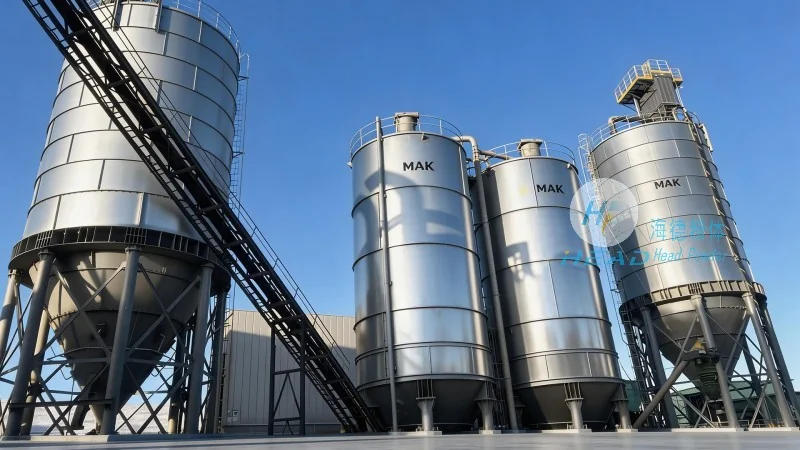
Design Principles Underlying Pneumatic Conveying Systems
The design of a dust collection material pneumatic conveying system is governed by several key principles that ensure efficient and reliable operation. These principles include the selection of appropriate air velocity to maintain material suspension, the sizing of the pipeline to prevent excessive pressure drop and material deposition, and the use of appropriate equipment such as rotary valves, filters, and receivers. Engineers must consider the physical properties of the material, such as particle size, density, and moisture content, as well as the system's operating pressure and flow rate. The design also involves balancing the need for high transport efficiency with the constraints of energy consumption and equipment durability.
Key Components and Their Roles in the System
A typical dust collection material pneumatic conveying system consists of several critical components, each playing a vital role in the overall operation. The dust collector, often a baghouse or cartridge filter, is responsible for capturing the dust from the source process. The compressor, usually an air screw or centrifugal type, generates the compressed air needed to move the material. The pipeline network, made of materials like stainless steel or plastic, transports the material-air mixture. Rotary valves are used to control the flow of material into the pipeline, while filters and receivers separate the material from the air at the discharge end. Each component must be carefully selected and sized to ensure the system operates within its design parameters and meets the specific requirements of the application.
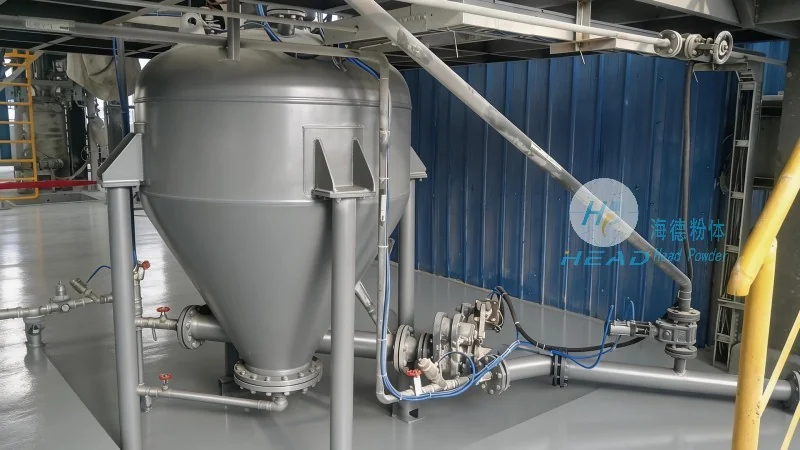
Operational Mechanisms and How They Ensure Efficient Material Transport
The operational mechanism of a dust collection material pneumatic conveying system involves a sequence of steps that ensure efficient material transport. First, the dust is collected from the source process and fed into the system via the dust collector. The compressor then generates a high-pressure air stream, which is introduced into the pipeline at the inlet. As the air flows through the pipeline, it entrains the dust particles, creating a slurry-like mixture. The mixture travels through the pipeline to the receiver, where a filter or separator removes the material from the air. The clean air is then discharged, while the collected dust is stored or further processed. The system's efficiency is determined by factors such as air velocity, pipeline length, and material properties, all of which must be optimized to prevent blockages, pressure losses, and material degradation.
Company Profile: Shandong HeadPowder Engineering Co., Ltd.
Shandong HeadPowder Engineering Co., Ltd., commonly known as HeadPowder, is a leading manufacturer and supplier of industrial pneumatic conveying systems, including those designed for dust collection materials. HeadPowder is headquartered in Shandong, China, and has established itself as a trusted partner in the industry, providing high-quality, customized solutions tailored to the specific needs of its clients. The company specializes in the design, manufacturing, and installation of pneumatic conveying systems, leveraging advanced engineering and manufacturing capabilities to deliver reliable and efficient equipment. With a focus on innovation and customer satisfaction, HeadPowder has built a reputation for excellence in the field of material handling, serving a wide range of industries and applications.