Efficient material handling is a critical factor in many industrial processes, and the use of pneumatic conveying systems has become increasingly popular due to its ability to transport powders and granular materials with high efficiency and minimal maintenance. For businesses looking to optimize their material transport operations, understanding the principles and applications of pneumatic conveying is essential. This article explores how to effectively utilize air flow to move powders and granular materials, highlighting the benefits and practical considerations of this technology.
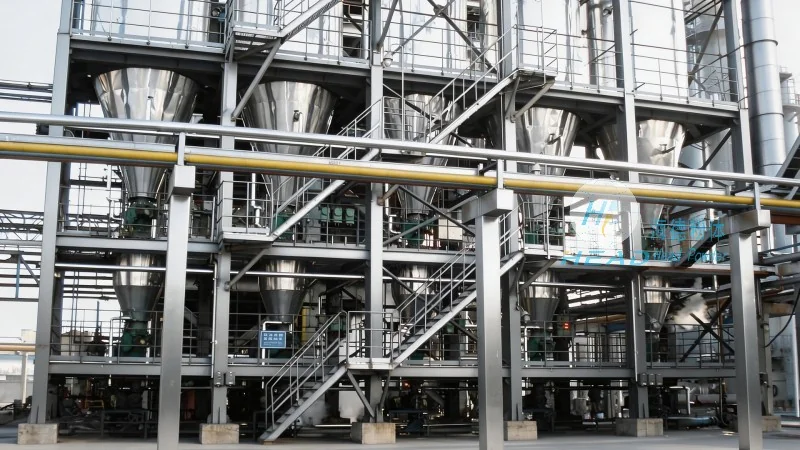
Pneumatic Conveying: An Overview
Pneumatic conveying, also known as air conveying, is a method of transporting bulk materials through a pipeline using a stream of air. This process involves the use of a blower or compressor to generate air pressure, which then propels the material through the system. There are two main types of pneumatic conveying: pressure and vacuum systems. Pressure systems use compressed air to push the material forward, while vacuum systems use a vacuum to pull the material into the system. Each type has its own advantages and is suitable for different applications. For example, pressure systems are often used for long-distance transport and high-volume applications, while vacuum systems are better suited for short-distance transport and applications where the material is sensitive to pressure changes.
Key Components of Pneumatic Conveying Systems
A pneumatic conveying system consists of several key components, including a material feeder, a conveying line, a control valve, and a receiver. The material feeder is responsible for feeding the material into the system, while the conveying line transports the material from the feeder to the receiver. The control valve regulates the flow of air and material, ensuring that the system operates efficiently and safely. The receiver is where the material is collected and stored. Each component plays a crucial role in the overall performance of the system, and it is important to select the right components for the specific application.
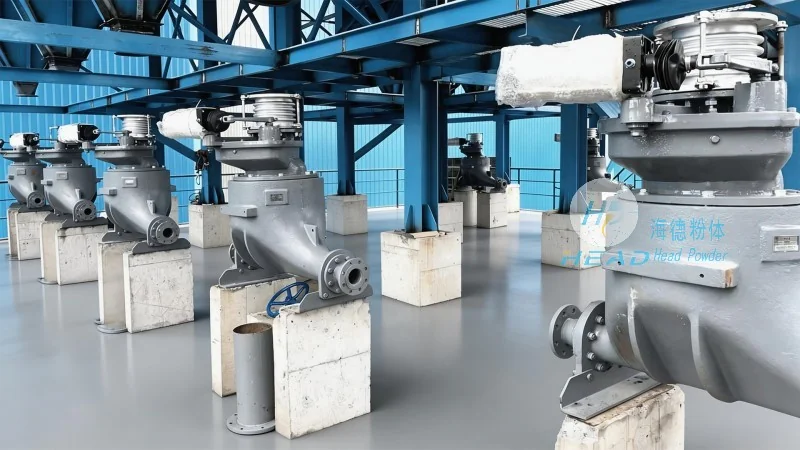
Benefits of Pneumatic Conveying
There are several benefits to using pneumatic conveying systems for material transport. One of the main benefits is the high efficiency of the system, which can reduce labor costs and increase productivity. Pneumatic conveying systems can also reduce the risk of material contamination, as the material is transported in a closed system. Additionally, pneumatic conveying systems can be used to transport materials over long distances, making them ideal for applications where the material needs to be moved from one location to another. Another benefit is the low maintenance required for pneumatic conveying systems, as they have fewer moving parts than other material handling systems.
Applications of Pneumatic Conveying
Pneumatic conveying systems are used in a wide range of industries, including food and beverage, pharmaceuticals, chemicals, and mining. In the food and beverage industry, pneumatic conveying is used to transport ingredients such as flour, sugar, and spices. In the pharmaceutical industry, pneumatic conveying is used to transport raw materials and finished products. In the chemical industry, pneumatic conveying is used to transport chemicals and other hazardous materials. In the mining industry, pneumatic conveying is used to transport ore and other minerals. The versatility of pneumatic conveying systems makes them suitable for a wide range of applications.
Choosing the Right Pneumatic Conveying System
When choosing a pneumatic conveying system, it is important to consider several factors, including the type of material being transported, the distance the material needs to be transported, and the volume of material being transported. The type of material being transported is a critical factor, as different materials have different properties that affect the performance of the system. For example, abrasive materials may require a more robust system, while sensitive materials may require a system with a lower pressure. The distance the material needs to be transported is also important, as longer distances may require a higher pressure system. The volume of material being transported is another factor to consider, as higher volumes may require a larger system.
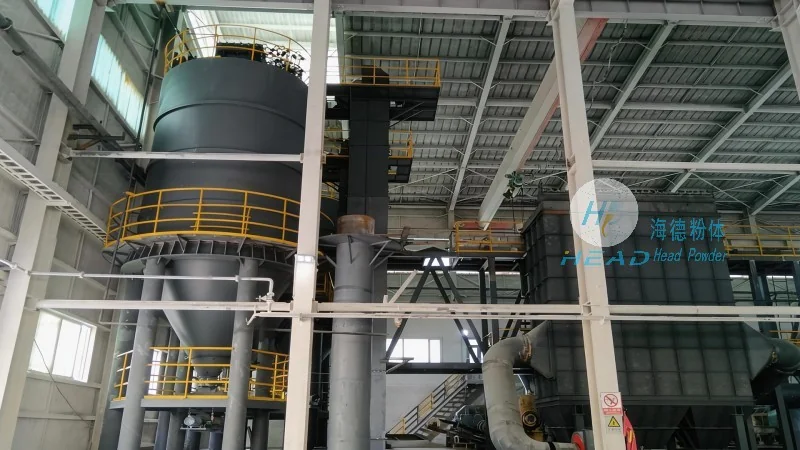
Case Study: HeadPowder Engineering's Pneumatic Conveying Solutions
Shandong HeadPowder Engineering Co., Ltd., a leading manufacturer of pneumatic conveying systems, specializes in providing customized solutions for a wide range of applications. With years of experience in the industry, HeadPowder has developed a range of high-quality pneumatic conveying systems that are designed to meet the specific needs of their customers. The company's systems are known for their efficiency, reliability, and low maintenance requirements. HeadPowder's pneumatic conveying systems are used in various industries, including food and beverage, pharmaceuticals, and chemicals. The company's commitment to quality and customer satisfaction has made them a trusted partner for many businesses.
Conclusion
Pneumatic conveying is an effective and efficient method of transporting powders and granular materials. By leveraging air flow, businesses can reduce labor costs, increase productivity, and minimize material contamination. When choosing a pneumatic conveying system, it is important to consider the specific needs of the application and select the right components for the job. With the right system in place, businesses can optimize their material handling operations and improve their overall efficiency. Shandong HeadPowder Engineering Co., Ltd. offers a range of high-quality pneumatic conveying systems that are designed to meet the needs of various industries, ensuring that businesses can achieve their material handling goals with ease.




