

What is a Coking Coal Material Pneumatic Conveying System? What are its Design Principles?
When it comes to transporting coking coal efficiently and reliably, industrial facilities often turn to pneumatic conveying systems. These systems offer a versatile and effective solution for moving bulk materials like coking coal from one location to another. Understanding the fundamentals of such a system, including its design principles, is crucial for optimizing operations and ensuring safety in industrial applications.
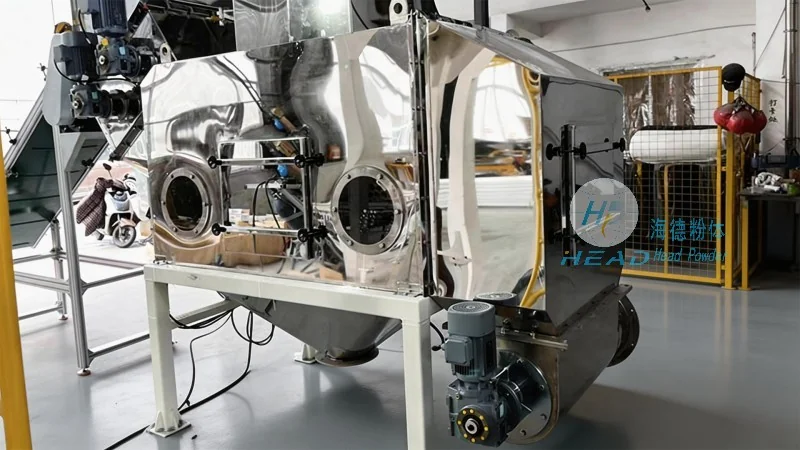
Introduction to Coking Coal Pneumatic Conveying Systems
Coking coal is a critical raw material in the steel industry, used in blast furnaces to produce coke. The transportation of this material from storage silos or mines to processing units requires a system that can handle its bulk nature and the specific challenges associated with its properties. Pneumatic conveying systems provide an ideal solution by using air to transport the material through a network of pipes and equipment. This method eliminates the need for mechanical components like conveyors or elevators, reducing maintenance and increasing flexibility in system layout.
Key Components of a Coking Coal Pneumatic Conveying System
A typical coking coal pneumatic conveying system consists of several key components that work together to ensure efficient material transport. These components include the material feed hopper, which holds the coking coal and regulates its flow into the system; the air supply unit, which provides the necessary pressure and volume of air to move the material; the conveying line, which is a network of pipes that transports the coal and air mixture; and the discharge unit, which collects the material at the destination point. Additionally, the system may include filters and dust collectors to manage air quality and prevent contamination, as well as control systems to monitor and adjust the operation of the equipment.
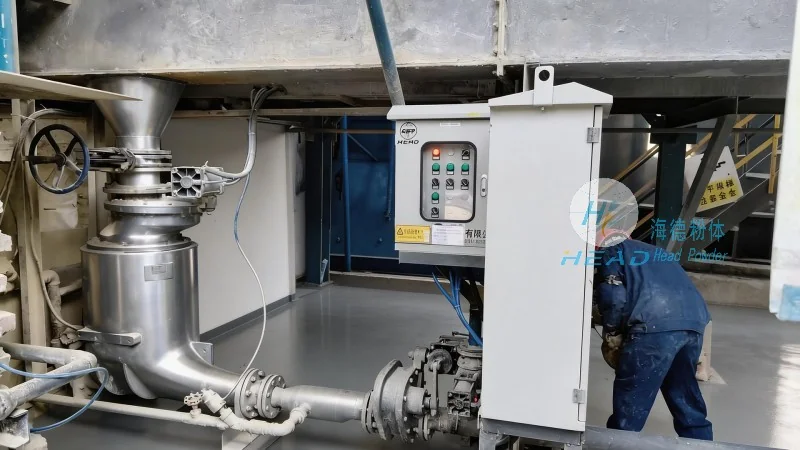
Design Principles for Optimal Performance
The design of a coking coal pneumatic conveying system is based on several key principles to ensure it operates efficiently and safely. One of the primary considerations is the material's properties, such as its density, moisture content, and particle size distribution. These factors affect the air velocity required to move the material and the pressure drop along the conveying line. Engineers must calculate the appropriate air velocity to prevent material settling or blockages while minimizing energy consumption. Another critical design principle is the system's layout, which must be carefully planned to account for the distance between the feed and discharge points, changes in elevation, and any obstacles that may affect the flow of the material and air mixture. The choice of pipe diameter and material is also important, as it impacts the system's capacity and resistance to wear and corrosion. Additionally, safety considerations, such as explosion-proof designs for the air supply unit and proper ventilation, are essential to protect personnel and equipment from potential hazards.
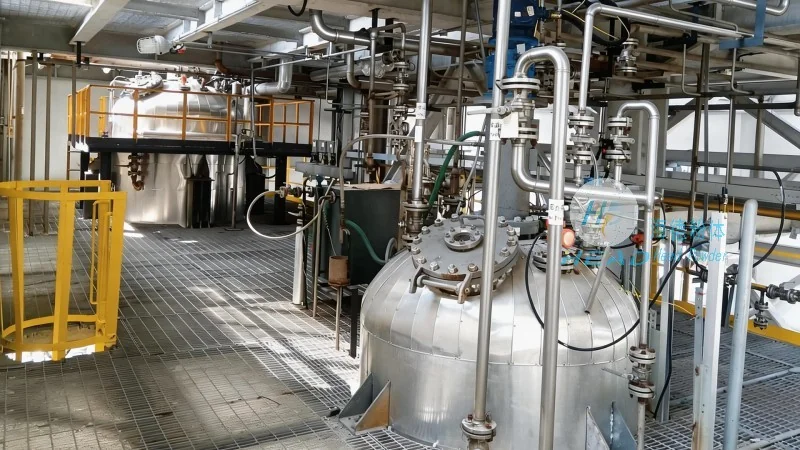
Benefits of Using a Coking Coal Pneumatic Conveying System
Implementing a pneumatic conveying system for coking coal offers numerous benefits that enhance operational efficiency and reduce costs. One of the main advantages is the elimination of mechanical components, which reduces maintenance requirements and extends the system's lifespan. This also minimizes the risk of material spillage or contamination, as the system is enclosed and sealed. Another benefit is the flexibility in system layout, allowing for easy integration with existing facilities or expansion of the system as production needs change. The system also provides better control over the material flow, enabling precise regulation of the coal supply to processing units. Furthermore, pneumatic conveying systems can handle a wide range of material types and sizes, making them suitable for various industrial applications beyond coking coal. By optimizing the design based on the material's properties and operational requirements, these systems can achieve high throughput with minimal energy consumption, contributing to overall cost savings and environmental sustainability.
HeadPowder Engineering: Expertise in Coking Coal Pneumatic Conveying Systems
Shandong HeadPowder Engineering Co., Ltd., a leading provider of industrial material handling solutions, specializes in designing and manufacturing high-quality coking coal pneumatic conveying systems. With years of experience in the industry, HeadPowder has developed a deep understanding of the unique challenges associated with transporting coking coal and has developed innovative solutions to address them. The company's team of engineers and technicians work closely with clients to understand their specific requirements and design systems that meet their operational needs and budget constraints. HeadPowder's systems are built with high-quality materials and components, ensuring durability and reliability in demanding industrial environments. The company also provides comprehensive after-sales support, including maintenance services and technical assistance, to ensure the long-term performance of the systems. By choosing HeadPowder, industrial facilities can benefit from a reliable and efficient coking coal pneumatic conveying system that enhances their productivity and safety.