

What is a Carbon Black Material Pneumatic Conveying System? What are its Design Principles?
Carbon black is a critical industrial material widely used in the production of tires, plastics, and other composite materials. Its handling and transportation require specialized equipment to ensure efficiency and safety. A carbon black material pneumatic conveying system is a key solution for moving this fine, often abrasive material from one location to another within industrial facilities.
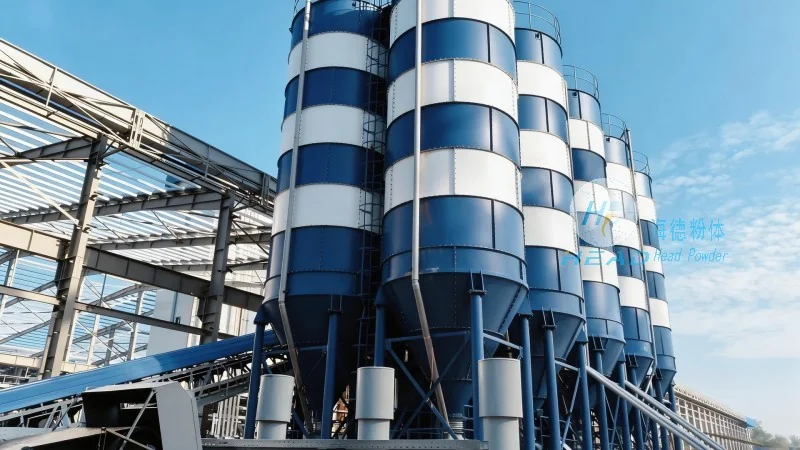
Key Characteristics of Carbon Black and the Need for Specialized Conveying
Carbon black particles are typically fine, with diameters ranging from 10 to 500 nanometers, and can exhibit high density and abrasive properties. These characteristics make traditional bulk material handling methods, such as belt conveyors or screw conveyors, less effective or even impractical due to the risk of particle degradation, equipment wear, and system blockages. Pneumatic conveying systems offer a more efficient and controlled method for transporting carbon black, minimizing material loss and maintaining product quality.
Design Principles of Carbon Black Pneumatic Conveying Systems
The design of a carbon black pneumatic conveying system involves several critical principles tailored to the material's properties. First, the choice between positive pressure and negative pressure systems depends on the distance, layout, and specific operational requirements. Positive pressure systems use blowers to push air and material through the pipeline, suitable for short to medium distances and when the material is to be discharged into a container. Negative pressure systems, on the other hand, use vacuum pumps to draw material into the pipeline, ideal for longer distances or when the material needs to be transferred from a hopper into a processing unit.
Second, the system design must consider the air-to-solid ratio (A/S ratio), which is the ratio of air volume to material volume. An optimal A/S ratio is crucial for maintaining consistent flow and preventing blockages. For carbon black, a typical A/S ratio ranges from 7:1 to 15:1, depending on the particle size, density, and the system's pressure. Proper calculation of this ratio ensures that the material is conveyed smoothly without excessive energy consumption.
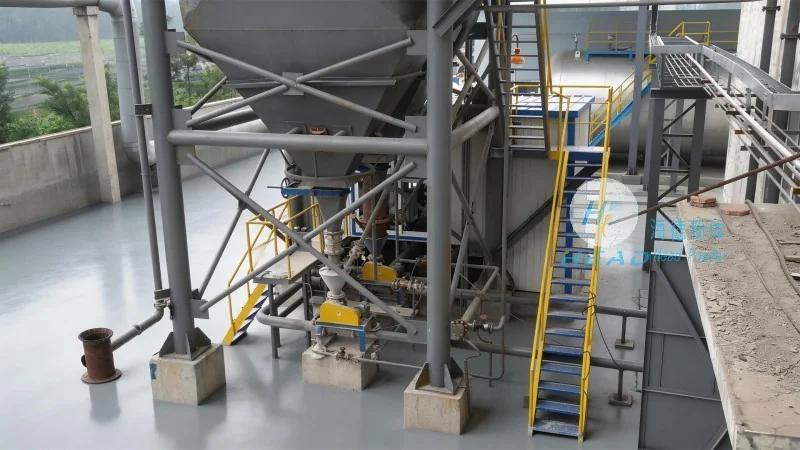
Third, the pipeline design is another critical aspect. Carbon black particles are prone to abrasion and can cause wear on metal surfaces. Therefore, pipelines are often made of materials like stainless steel or special wear-resistant alloys to extend their lifespan. The pipeline layout should also minimize bends and changes in direction, as sharp turns can cause particle separation and system inefficiencies. Additionally, the use of inline filters and cyclones is essential to separate the material from the air stream, preventing dust accumulation and ensuring compliance with environmental regulations.
HeadPowder Engineering's Expertise in Carbon Black Pneumatic Conveying
Shandong HeadPowder Engineering Co., Ltd. specializes in designing and manufacturing advanced pneumatic conveying systems tailored to the unique needs of carbon black handling. With years of experience in the industry, HeadPowder understands the challenges associated with transporting fine, abrasive materials and provides customized solutions that enhance operational efficiency and product quality.
HeadPowder's team of engineers works closely with clients to assess their specific requirements, including the scale of operation, material characteristics, and facility layout. This collaborative approach ensures that the final system design meets all operational and safety standards. The company offers a range of components, from high-efficiency blowers and vacuum pumps to wear-resistant pipelines and advanced filtration systems, all designed to handle the demanding conditions of carbon black transportation.
One of the key advantages of choosing HeadPowder is their commitment to using high-quality materials and advanced manufacturing techniques. Their systems are built to withstand the abrasive nature of carbon black, reducing maintenance costs and downtime. Additionally, HeadPowder provides comprehensive after-sales support, including system installation, commissioning, and ongoing maintenance services, ensuring that clients can rely on their equipment for long-term performance.
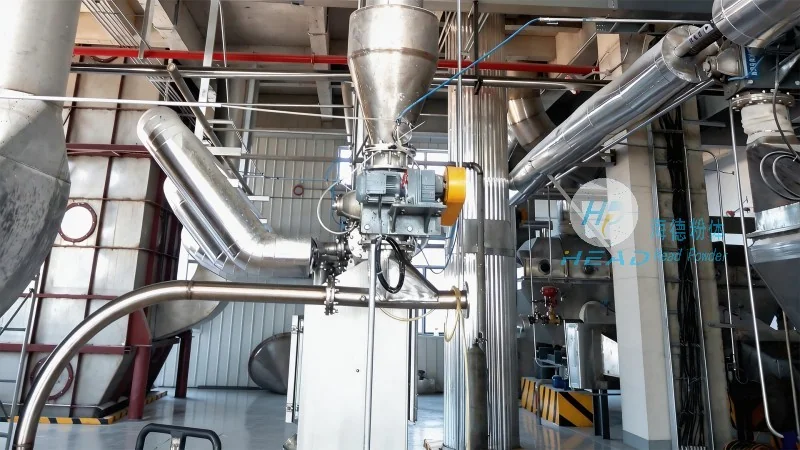
Applications and Benefits of Carbon Black Pneumatic Conveying Systems
Carbon black pneumatic conveying systems are widely used in various industrial applications, including tire manufacturing, rubber processing, and plastic production. The benefits of using such systems include improved material handling efficiency, reduced labor costs, and enhanced product quality. By minimizing material loss and preventing contamination, these systems contribute to higher overall productivity and lower operational costs for manufacturers.
Furthermore, the flexibility of pneumatic conveying allows for easy integration into existing production lines, making it a cost-effective solution for upgrading or expanding material handling capabilities. The ability to transport carbon black over long distances without the need for multiple transfer points also simplifies facility layout and reduces the risk of material spillage or environmental contamination.
Conclusion: The Importance of Proper Design and Implementation
Designing an effective carbon black material pneumatic conveying system requires a deep understanding of the material's properties and the principles of pneumatic transport. By adhering to the key design principles outlined above and leveraging the expertise of companies like Shandong HeadPowder Engineering Co., Ltd., manufacturers can achieve efficient, reliable, and cost-effective material handling solutions. The right system not only improves operational performance but also ensures compliance with environmental and safety regulations, contributing to a sustainable and productive industrial operation.