

What is a Pharmaceutical Bulk Material Pneumatic Conveying System? What Are Its Design Principles?
Pharmaceutical bulk material pneumatic conveying systems are specialized equipment used in the pharmaceutical industry to transport powders and granules safely and efficiently. These systems are crucial for maintaining the integrity of pharmaceutical products, ensuring they remain free from contamination and maintaining consistent quality throughout the handling process. The design principles behind these systems are carefully engineered to meet the stringent regulatory and quality standards required in the pharmaceutical sector.
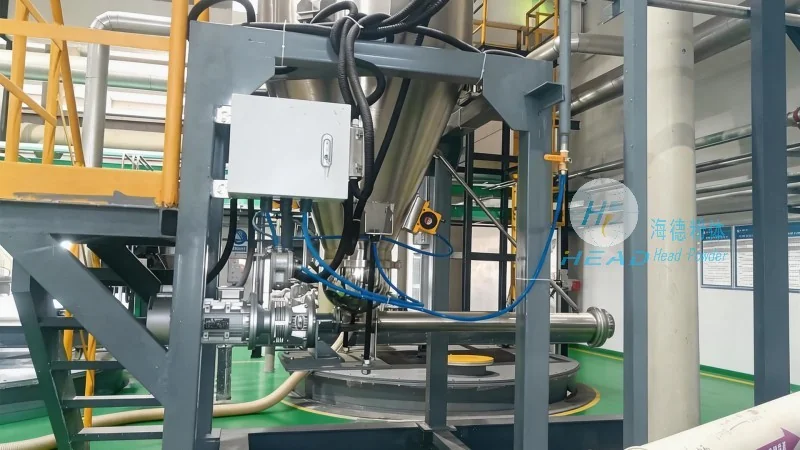
Understanding the Core Components and Functionality of Pharmaceutical Pneumatic Conveying Systems
At the heart of a pharmaceutical bulk material pneumatic conveying system lies a combination of components that work in tandem to achieve effective material transport. The system typically includes a material hopper, a conveying line (often equipped with filters and cyclones to separate particles from the air stream), a dust collector, and a control system. The material is fed into the hopper, where it is then drawn into the conveying line by a vacuum or pressure source. The air stream carries the material particles through the line, and the system’s design ensures that the particles are separated from the air at the destination point, such as a storage silo or processing unit. This process minimizes product exposure to the environment and reduces the risk of cross-contamination, which is critical in pharmaceutical manufacturing.
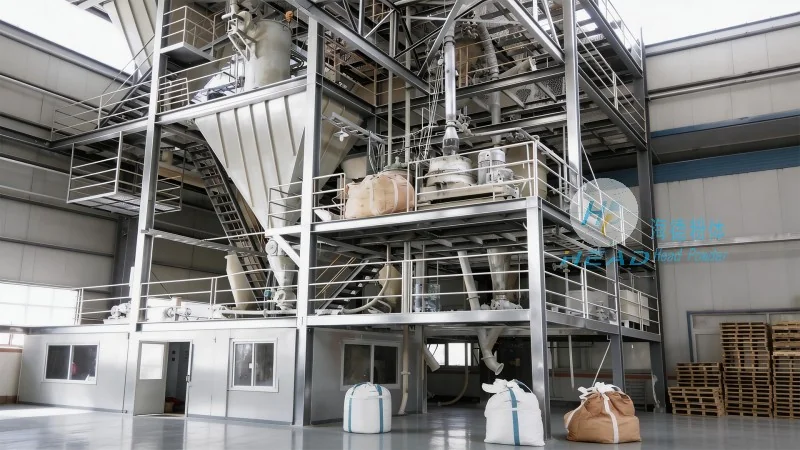
Key Design Principles for Ensuring Safety and Compliance in Pharmaceutical Conveying Systems
The design of pharmaceutical pneumatic conveying systems adheres to several key principles to ensure safety, efficiency, and compliance with industry regulations. One of the primary principles is the use of closed systems to prevent product exposure to the external environment. This is achieved through sealed hoppers, conveying lines, and dust collection units, which minimize the risk of contamination from airborne particles or external pollutants. Another critical principle is the incorporation of filtration and separation mechanisms, such as cyclones and bag filters, to ensure that only clean air is released back into the environment. Additionally, the system is designed to handle a wide range of pharmaceutical materials, including powders, granules, and pellets, with varying particle sizes and moisture content. The design also considers the need for easy cleaning and maintenance, as pharmaceutical facilities must adhere to strict cleaning protocols to prevent cross-contamination between different products.
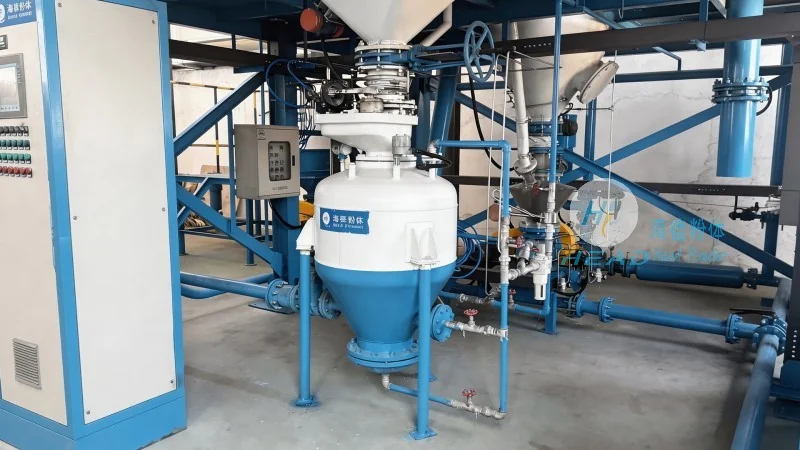
HeadPowder: A Leading Provider of Pharmaceutical Pneumatic Conveying Solutions
Shandong HeadPowder Engineering Co., Ltd., commonly known as HeadPowder, is a reputable company based in China that specializes in the design, manufacturing, and installation of pharmaceutical bulk material pneumatic conveying systems. With a strong commitment to quality and compliance, HeadPowder has established itself as a trusted partner in the pharmaceutical industry. The company’s expertise lies in developing customized solutions that meet the specific needs of pharmaceutical manufacturers, ensuring that their systems are tailored to handle a wide variety of materials and operational requirements. HeadPowder’s products are designed to adhere to the highest industry standards, including GMP (Good Manufacturing Practice) guidelines, and are equipped with advanced features such as real-time monitoring, automated control systems, and energy-efficient operation. The company’s team of experienced engineers and technicians work closely with clients to understand their unique challenges and provide solutions that enhance productivity, reduce downtime, and ensure product safety.
Addressing Common Challenges in Pharmaceutical Material Handling with Pneumatic Conveying
Pharmaceutical manufacturers often face challenges related to material handling, such as dust generation, product contamination, and inefficient transport processes. Pneumatic conveying systems offer a solution to these challenges by providing a clean, enclosed method of transporting bulk materials. The systems are designed to minimize dust exposure, which is a significant concern in pharmaceutical facilities due to the potential for airborne particles to contaminate products or affect personnel health. Additionally, the enclosed nature of the system prevents cross-contamination between different batches of pharmaceutical products, which is essential for maintaining product integrity and regulatory compliance. Another advantage of pneumatic conveying is its ability to handle materials with varying properties, such as different particle sizes, moisture levels, or flow characteristics. This flexibility allows pharmaceutical manufacturers to use a single system for multiple applications, reducing the need for multiple handling equipment and streamlining their operations.
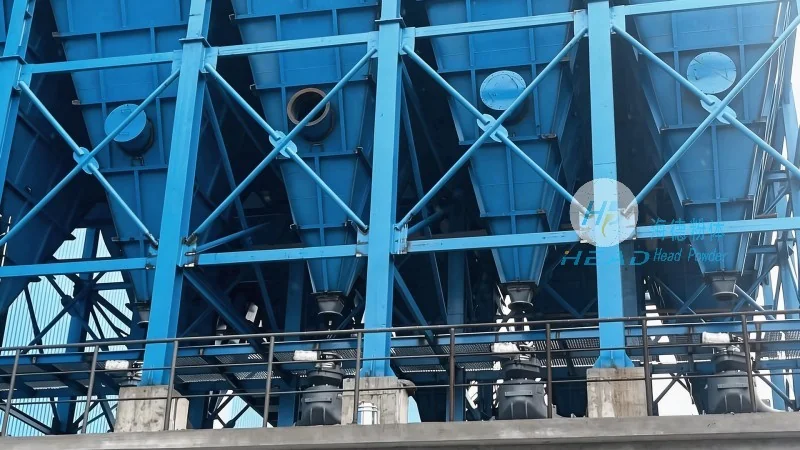
The Role of Advanced Technology in Enhancing Pharmaceutical Pneumatic Conveying Systems
Modern pharmaceutical pneumatic conveying systems incorporate advanced technologies to improve performance, efficiency, and safety. For example, many systems now feature real-time monitoring and data logging capabilities, which allow operators to track the system’s performance and identify potential issues before they become major problems. This proactive approach to maintenance helps to reduce downtime and ensure consistent operation. Additionally, some systems use automated control systems that adjust the air flow and material feed rate based on real-time conditions, optimizing the conveying process and minimizing energy consumption. The use of high-quality materials, such as stainless steel and food-grade components, in the construction of the system also contributes to its durability and resistance to corrosion, ensuring long-term reliability. Furthermore, the integration of filtration and separation technologies, such as high-efficiency particulate air (HEPA) filters, enhances the system’s ability to capture and remove fine particles, further reducing the risk of contamination.