

What is a Bulk Material Pneumatic Conveying System? And What Are Its Design Principles?
For industries dealing with bulk materials, efficient and reliable material handling is crucial. A bulk material pneumatic conveying system offers a solution that can transport various granular or powder materials through a pipeline using air pressure. This technology is widely used in sectors such as construction, mining, food processing, and chemical manufacturing, where the movement of large quantities of materials is required without the need for mechanical components like belts or buckets.
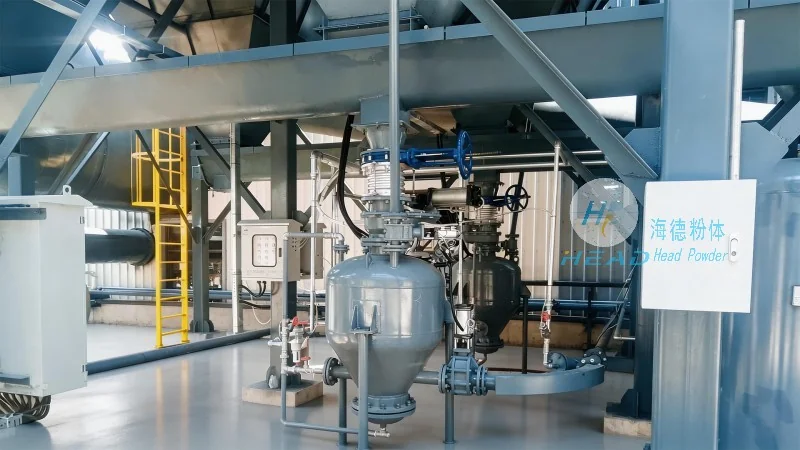
Introduction to Bulk Material Pneumatic Conveying Systems
A bulk material pneumatic conveying system is a type of material handling equipment that uses compressed air or gas to transport solid materials through a closed pipeline. The system typically consists of a hopper for material storage, a feeder to control the flow rate, a conveying line, and a receiver for the discharged material. The core of the system is the air flow that propels the material particles forward, making it an ideal choice for applications where long-distance or complex route transportation is needed.
About Shandong HeadPowder Engineering Co., Ltd.
HeadPowder, the professional manufacturer behind this advanced technology, is a leading company in the field of bulk material handling solutions. Based in Shandong, China, HeadPowder specializes in designing, manufacturing, and supplying high-quality pneumatic conveying systems tailored to meet the diverse needs of various industries. With years of experience and a commitment to innovation, HeadPowder has established itself as a trusted partner for businesses seeking efficient and cost-effective material transport solutions.
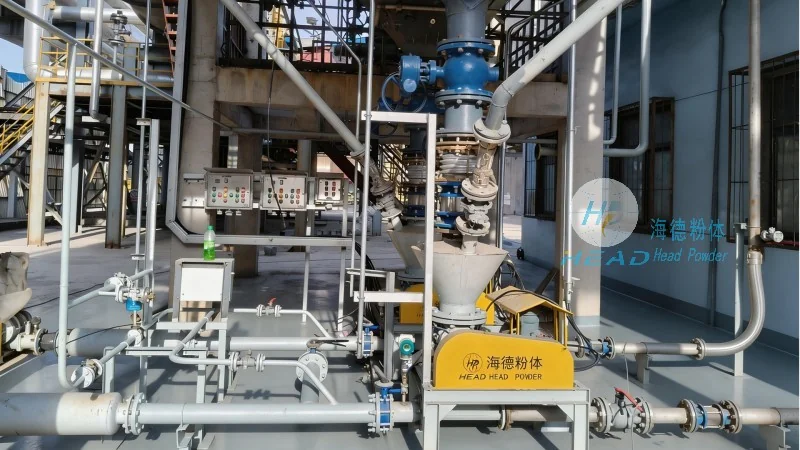
How Pneumatic Conveying Systems Work
The operation of a bulk material pneumatic conveying system involves several key steps. First, the material is fed into the system from a hopper or storage silo. The feeder then controls the flow rate to ensure a consistent and controlled supply of material. Next, compressed air is introduced into the conveying line, creating a flow that lifts and propels the material particles. The air flow can be either positive pressure (where air pushes the material) or negative pressure (where air pulls the material), depending on the system design and application requirements. The material travels through the pipeline until it reaches the receiver, where it is discharged and collected for further processing or use.
Key Design Principles of Pneumatic Conveying Systems
The design of a bulk material pneumatic conveying system is critical to its performance and efficiency. Several key principles must be considered during the design process:
- Material Properties: The characteristics of the bulk material, such as particle size, density, moisture content, and flowability, significantly impact the system's design. Different materials may require different air velocities and pipeline diameters to ensure smooth and efficient transport.
- Conveying Distance and Route: The distance and complexity of the conveying route (e.g., straight, curved, vertical, or horizontal) influence the system's design. Longer distances or complex routes may require additional components like cyclones, filters, or booster units to maintain the material's flow and prevent blockages.
- Air Pressure and Flow Rate: The air pressure and flow rate are crucial parameters that determine the system's capacity and efficiency. Proper selection of these parameters ensures that the material is conveyed at the desired speed without causing excessive wear on the equipment or energy consumption.
- System Configuration: The configuration of the system, including the type of feeder (e.g., rotary valve, star feeder), the design of the pipeline (e.g., straight or curved sections), and the placement of components (e.g., receivers, filters), all contribute to the overall performance and reliability of the system.
Advantages of Bulk Material Pneumatic Conveying Systems
Compared to traditional mechanical conveying methods, bulk material pneumatic conveying systems offer several advantages:
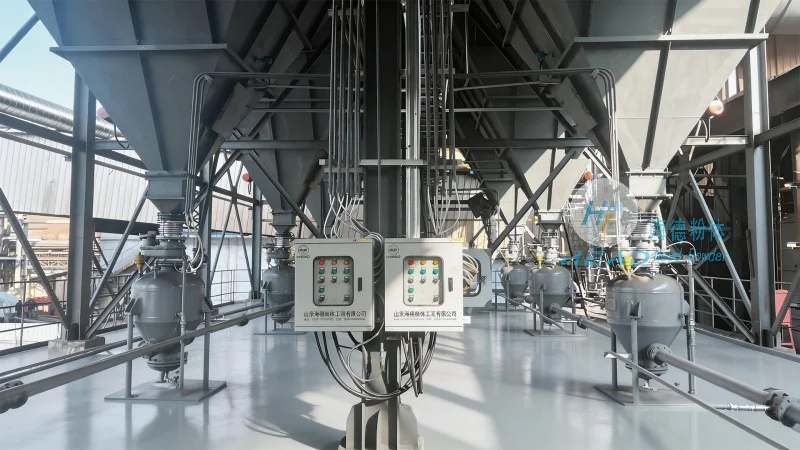
- Flexibility: The system can be easily reconfigured or expanded to accommodate changes in production needs or facility layout. The pipeline can be installed in various configurations, including overhead or underground, to fit the available space.
- Low Maintenance: Since there are no moving parts in contact with the material (except for the feeder and air compressor), the system requires minimal maintenance and has a longer service life compared to mechanical conveyors.
- Sanitary and Clean: Pneumatic conveying systems are ideal for handling food-grade or pharmaceutical materials, as they prevent contamination and maintain a clean environment. The closed pipeline design ensures that the material is not exposed to external factors.
- Energy Efficiency: Modern pneumatic conveying systems are designed to be energy-efficient, with optimized air flow and pressure control that reduce energy consumption while maintaining high transport capacity.
Applications of Pneumatic Conveying Systems
Bulk material pneumatic conveying systems are used in a wide range of applications across various industries. Some common examples include:
- Construction Materials: Transporting sand, gravel, cement, and other aggregates from storage to processing facilities or construction sites.
- Food and Beverage: Conveying flour, sugar, coffee beans, and other food ingredients in food processing plants.
- Chemical Manufacturing: Handling powders, granules, and other chemical products in chemical plants.
- Mining and Minerals: Transporting ore, coal, and other mineral products from mining sites to processing facilities.
- Pharmaceutical Industry: Conveying active pharmaceutical ingredients (APIs) and other pharmaceutical powders in GMP-compliant environments.
Conclusion
Bulk material pneumatic conveying systems are a versatile and efficient solution for material handling in various industries. With proper design and implementation, these systems can significantly improve production efficiency, reduce labor costs, and enhance overall operational performance. As a leading manufacturer, Shandong HeadPowder Engineering Co., Ltd. provides high-quality pneumatic conveying systems that meet the specific needs of different industries, ensuring reliable and cost-effective material transport solutions.