

What is a Broad Bean Material Pneumatic Conveying System? Exploring Its Design Principles
For agricultural operations dealing with broad beans, efficient and reliable material handling is crucial. A pneumatic conveying system offers a solution that can streamline the process of transporting broad beans from storage to processing or packaging stages. This article explores the fundamental concepts behind broad bean material pneumatic conveying systems, focusing on their design principles and how they cater to the unique characteristics of broad bean grains.
Key Characteristics of Broad Beans and Their Impact on Conveying Systems
Before delving into the design principles, it's essential to understand the physical and chemical properties of broad beans that influence the choice and configuration of a pneumatic conveying system. Broad beans, also known as fava beans, are typically characterized by their relatively large, irregularly shaped particles, moderate moisture content, and varying density. These attributes affect how air and beans interact within the conveying system, impacting factors such as flow rate, pressure drop, and system efficiency. The system must be designed to handle these variations without causing excessive wear, blockages, or degradation of the beans.
Core Components and Design Principles of Pneumatic Conveying Systems
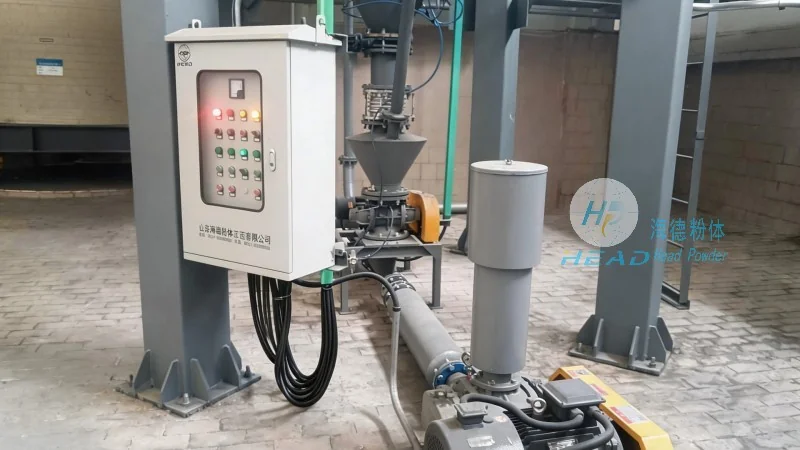
A pneumatic conveying system for broad beans generally consists of several key components, each playing a critical role in the overall operation. The primary components include a material feed hopper, an air supply system (usually a blower or compressor), a conveying pipeline, a separation or collection unit, and sometimes a cleaning or filtration system. The design principles revolve around optimizing the interaction between the air and the broad bean particles to achieve effective transport.
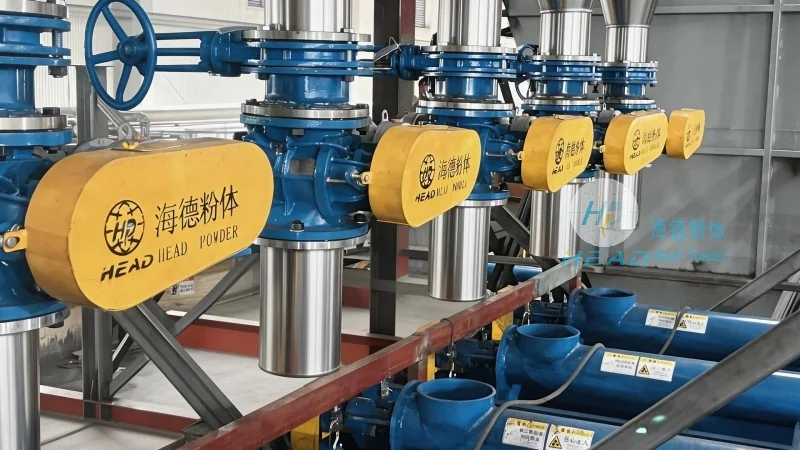
One of the fundamental design principles is the selection of the appropriate conveying method—either positive pressure or negative pressure. Positive pressure systems use a blower to push air and material through the pipeline, while negative pressure systems use a vacuum to draw material into the pipeline. For broad beans, positive pressure systems are often preferred due to their ability to handle larger particles and provide better control over the flow. The pipeline design, including diameter, length, and bends, is carefully calculated to minimize pressure losses and ensure consistent flow. Additionally, the system incorporates features such as air-liquid separators and cyclones to separate the beans from the air stream, preventing clogging and maintaining product quality.
How Shandong HeadPowder Engineering Co., Ltd. Designs Efficient Broad Bean Conveying Solutions
Shandong HeadPowder Engineering Co., Ltd., a leading provider of material handling solutions, specializes in designing customized pneumatic conveying systems tailored to the specific needs of agricultural operations. With years of experience in the industry, the company understands the unique challenges associated with handling broad beans and has developed advanced design principles to address them. The company's approach involves a thorough analysis of the customer's requirements, including the volume of broad beans to be conveyed, the distance of transport, and the desired level of efficiency and product integrity.
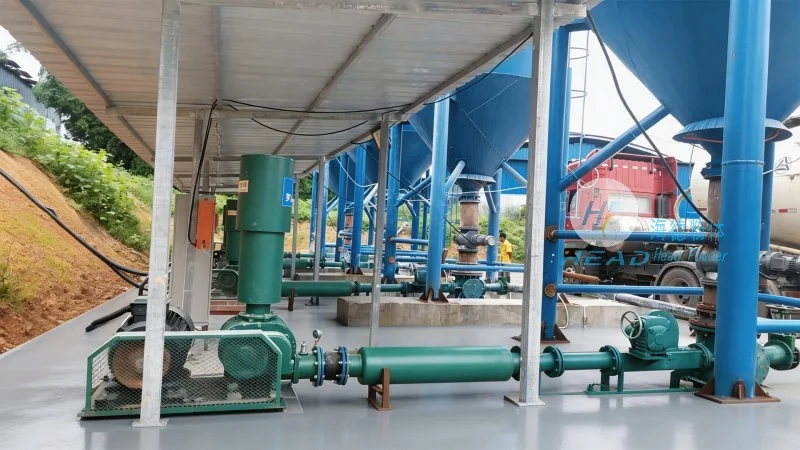
HeadPowder engineers utilize state-of-the-art computational fluid dynamics (CFD) and fluid mechanics principles to model the air-solid flow within the conveying system. This allows them to optimize the system's components, such as the blower capacity, pipeline dimensions, and separation equipment, to achieve the most efficient and reliable operation. The company's designs emphasize low pressure drop, minimal energy consumption, and reduced wear on components, which are critical for long-term system performance and cost-effectiveness. By integrating these principles, HeadPowder ensures that their pneumatic conveying systems for broad beans operate smoothly, with minimal downtime and maximum productivity.
Benefits of Implementing a Well-Designed Broad Bean Pneumatic Conveying System
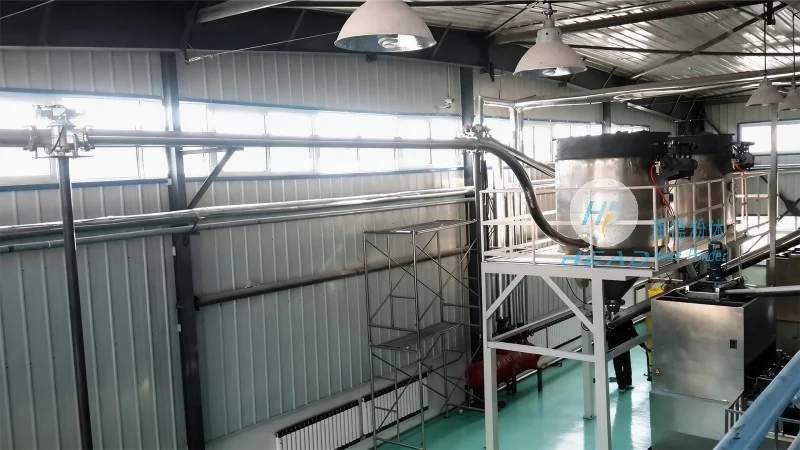
Adopting a properly designed pneumatic conveying system for broad beans offers numerous benefits for agricultural businesses. Firstly, it significantly improves operational efficiency by automating the material handling process, reducing labor costs and increasing throughput. The system's ability to handle large volumes of broad beans quickly and consistently ensures that processing lines remain operational without interruptions. Secondly, it minimizes product loss and degradation. Unlike traditional methods like bucket elevators or belt conveyors, pneumatic systems can transport broad beans with minimal breakage or damage, preserving their quality for further processing or sale. Thirdly, the system provides a clean and hygienic environment, which is essential for maintaining food safety standards. The enclosed pipeline design prevents contamination from external sources, and the separation units ensure that only clean air is released, reducing the risk of cross-contamination.
Furthermore, a well-designed pneumatic conveying system from HeadPowder offers flexibility and scalability. As agricultural operations grow or change, the system can be easily modified or expanded to accommodate increased production volumes or different types of materials. This adaptability makes it a long-term investment that can grow with the business. The company's commitment to quality and customer satisfaction is reflected in the durability and reliability of their systems, which are built to withstand the rigors of continuous operation in agricultural settings.