

What is a Rice Bran Material Pneumatic Conveying System? And What Are Its Design Principles?
When it comes to handling and transporting rice bran, a specialized system known as a rice bran material pneumatic conveying system is often employed. This technology is crucial in the food processing and agricultural sectors, particularly for efficiently moving rice bran from one location to another within a production facility. The system leverages the principles of pneumatic conveying, which uses air to transport bulk materials like rice bran through a network of pipes and components.
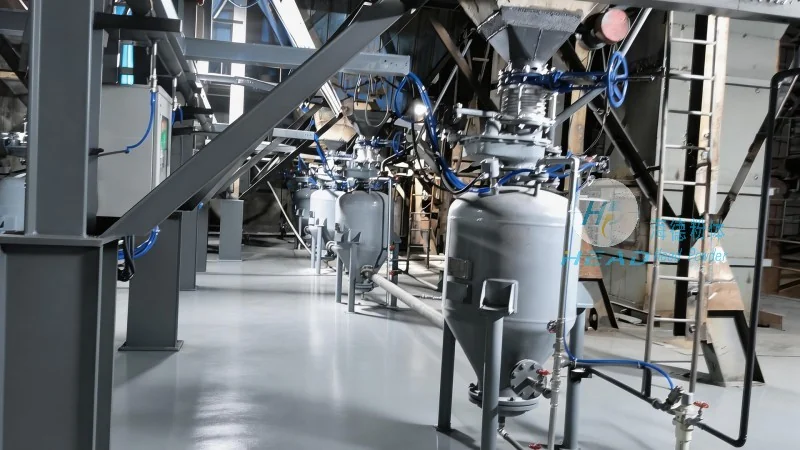
Understanding the Core Components of a Rice Bran Pneumatic Conveying System
A typical rice bran pneumatic conveying system consists of several key components that work in tandem to ensure efficient material transport. The primary components include a hopper or storage bin for holding the rice bran, a feeder that controls the flow of material into the system, a conveying line (usually made of metal or plastic pipes), a blower or air compressor that generates the necessary air pressure, and a receiver or collection bin where the rice bran is deposited. Each component plays a vital role in maintaining the system's performance and ensuring the safe and efficient transfer of rice bran.
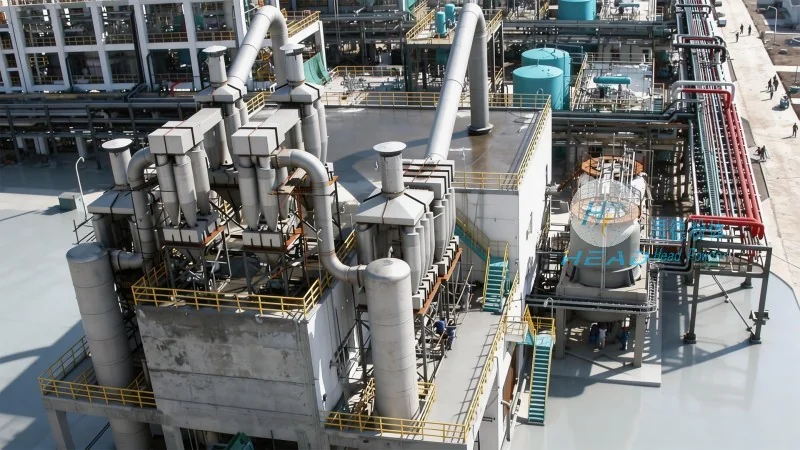
The Design Principles Behind Rice Bran Pneumatic Conveying Systems
The design of a rice bran pneumatic conveying system is based on several fundamental principles to optimize performance, minimize material degradation, and ensure operational safety. One of the key principles is the selection of appropriate air velocity and pressure. The air velocity must be high enough to keep the rice bran particles suspended in the air stream but not so high as to cause excessive wear on the system components or damage to the rice bran itself. The pressure level is also critical, as it determines the system's conveying capacity and the distance over which the rice bran can be transported.
How Shandong HeadPowder Engineering Co., Ltd. Designs and Implements These Systems
Shandong HeadPowder Engineering Co., Ltd., a leading manufacturer based in China, specializes in the design, development, and implementation of rice bran pneumatic conveying systems. With years of experience in the industry, the company understands the unique challenges associated with handling rice bran, such as its fine particle size, moisture content, and potential for dust generation. The engineers at HeadPowder leverage advanced engineering principles and cutting-edge technology to create customized solutions that meet the specific needs of each client. The company's design process involves thorough analysis of the client's production requirements, material characteristics, and operational constraints to ensure that the final system is both efficient and reliable.
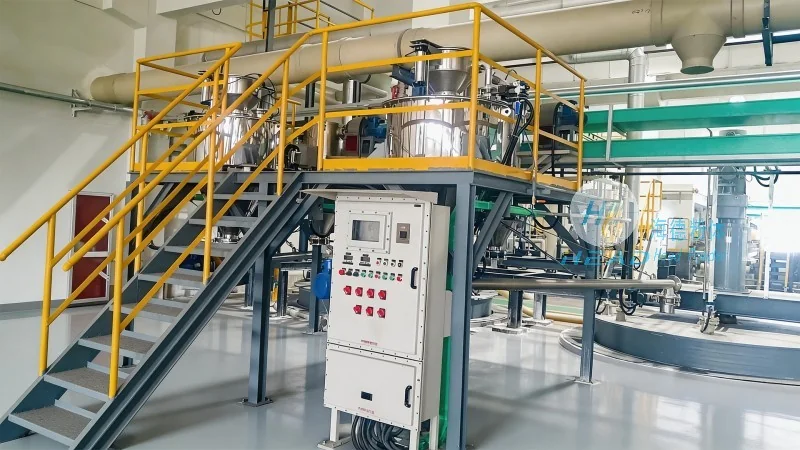
Key Considerations for Optimal Performance and Longevity
Several factors contribute to the optimal performance and longevity of a rice bran pneumatic conveying system. Regular maintenance is essential to prevent clogging and ensure that all components are functioning correctly. The system's design must also account for the potential for material buildup and wear, which can reduce efficiency over time. Additionally, the use of high-quality materials for the conveying lines and components can extend the system's lifespan and minimize the need for frequent repairs. By adhering to these best practices, users can maximize the efficiency and reliability of their rice bran pneumatic conveying systems.