

What is a Dust-Free Material Pneumatic Conveying System? And What Are Its Design Principles?
When it comes to handling bulk materials in industries that demand high standards of cleanliness and precision, dust-free material pneumatic conveying systems emerge as a critical solution. These systems are engineered to transport powders, granules, and other fine materials without generating dust, ensuring compliance with stringent environmental and operational requirements. Understanding the core design principles behind such systems is essential for selecting the right equipment for specific industrial applications.
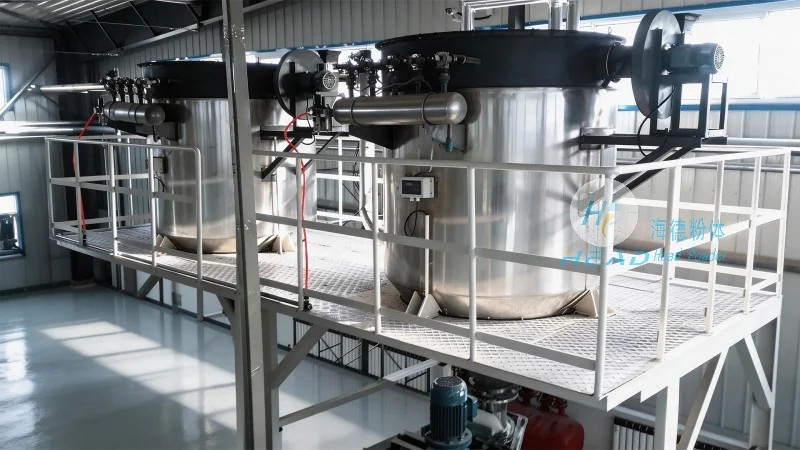
Key Components and Working Principles of Dust-Free Pneumatic Conveying Systems
A typical dust-free material pneumatic conveying system consists of several interconnected components that work in harmony to achieve efficient and clean material transport. The primary elements include a material feed hopper, a conveying line (often equipped with filters and pressure vessels), a control system, and a discharge outlet. The system operates by using compressed air or other gases to create a flow that propels the material through the pipeline. The design focuses on maintaining a positive pressure environment to prevent dust leakage and ensure that the material remains contained within the system.
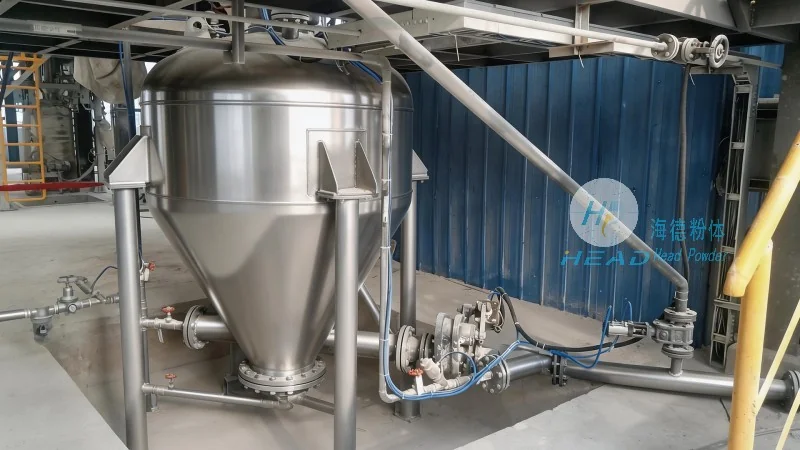
Types of Pneumatic Conveying Systems and Their Design Considerations
There are two main categories of pneumatic conveying systems: pressure and vacuum. Pressure systems use compressed air to push material from the source to the destination, while vacuum systems use suction to draw material into the system. The choice between these depends on factors like material characteristics, distance, and the need for dust containment. For dust-free applications, pressure systems are often preferred as they provide better control over the material flow and minimize the risk of particle escape. The design of the conveying line, including the selection of pipe diameter, material, and the use of bends and elbows, is crucial for maintaining system efficiency and preventing pressure drops that could lead to dust generation.
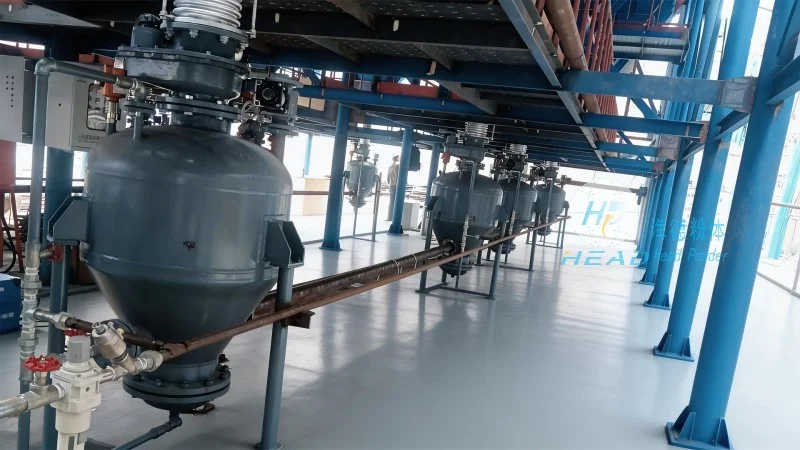
Design Principles for Optimal Performance and Dust Control
Effective dust-free material pneumatic conveying relies on several key design principles. First, the system must maintain a positive pressure throughout the conveying line to prevent external air from entering and carrying dust particles out. This is achieved through the use of high-quality seals and pressure vessels. Second, the material feed mechanism is designed to minimize the impact of material on the air stream, reducing the formation of dust clouds. This may involve the use of feeders that control the flow rate and prevent material buildup. Third, the system incorporates filtration and separation devices, such as cyclones or bag filters, to capture any particles that may escape the main conveying line, ensuring that the exhaust air is clean and compliant with environmental regulations.
HeadPowder: Expertise in Designing and Manufacturing Dust-Free Pneumatic Conveying Systems
Shandong HeadPowder Engineering Co., Ltd., commonly known as HeadPowder, is a leading manufacturer specializing in the design, development, and production of dust-free material pneumatic conveying systems. With a strong focus on engineering excellence and customer satisfaction, HeadPowder has established itself as a trusted partner for industries requiring high-purity material handling solutions. The company’s team of experienced engineers and technicians leverages advanced technology and rigorous quality control processes to deliver systems that meet or exceed industry standards. HeadPowder’s products are tailored to the specific needs of clients, ensuring that each system is optimized for the material being handled, the distance of transport, and the operational environment. The company’s commitment to innovation and customer support has made it a preferred choice for businesses seeking reliable and efficient dust-free conveying solutions.
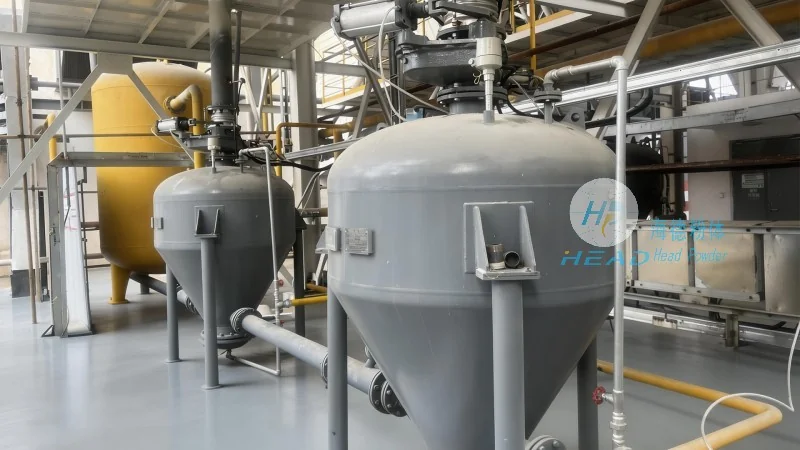
Applications and Benefits of Dust-Free Pneumatic Conveying Systems
Dust-free material pneumatic conveying systems find applications in a wide range of industries, including pharmaceuticals, food processing, chemical manufacturing, and electronics. In these sectors, the need for clean and hygienic material handling is paramount, and pneumatic conveying systems provide a solution that minimizes contamination risks and ensures product quality. The benefits of using such systems include improved operational efficiency, reduced downtime due to maintenance, and enhanced safety for personnel. Additionally, the systems contribute to environmental sustainability by preventing dust emissions and reducing the need for manual handling of materials, which can be hazardous.