

What is a Powder Bin Material Pneumatic Conveying System? And What Are Its Design Principles?
For industrial operations that handle bulk powders, the efficiency and reliability of material handling systems are critical. A powder bin material pneumatic conveying system is a specialized solution designed to transport dry bulk materials like powders, granules, and fine particles from storage bins to processing equipment. This system utilizes compressed air or other gases to move the material through a network of pipes, offering a flexible and often cleaner alternative to traditional mechanical conveyors. Understanding the components and design principles of such a system is essential for optimizing material flow and ensuring operational efficiency in various industries, including pharmaceuticals, food processing, chemicals, and more.
Introduction to Powder Bin Material Pneumatic Conveying Systems
A powder bin material pneumatic conveying system, commonly referred to as a pneumatic conveyor, is a method of transporting dry bulk materials using air or gas as the conveying medium. Unlike mechanical systems that rely on belts, screws, or buckets, pneumatic systems use pressure differentials to move material through a sealed pipeline. The system typically consists of a storage bin (or hopper), a feeder, a conveying line, and a receiver or processing unit. The feeder controls the flow of material from the bin into the conveying line, while the air compressor provides the necessary pressure to transport the material to its destination. This technology is particularly advantageous for materials that are dusty, abrasive, or sensitive to moisture, as it minimizes contamination and reduces the risk of product degradation.
Key Components of a Powder Bin Material Pneumatic Conveying System
The effectiveness of a pneumatic conveying system depends on several key components, each playing a crucial role in the overall operation. The primary components include:
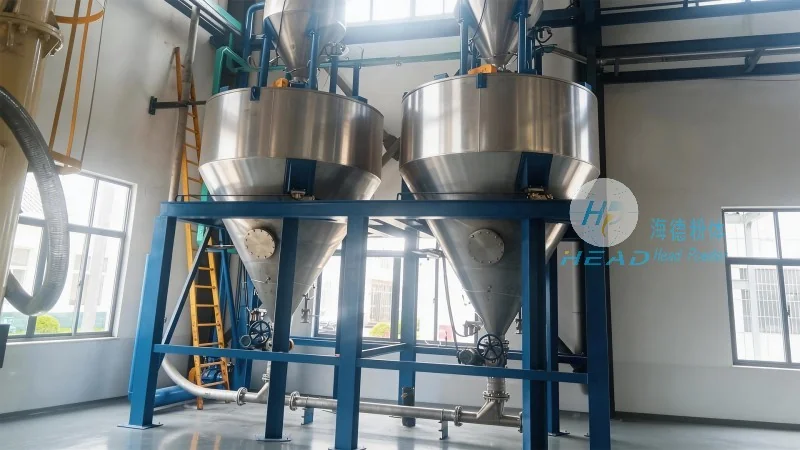
1. Storage Bin (Hopper): The storage bin, or hopper, is the container where the bulk material is stored before it is conveyed. It is designed to hold a large volume of material and is typically made of stainless steel or other corrosion-resistant materials to ensure durability and prevent contamination. The bin may include features such as a cone bottom or a discharge valve to facilitate material release.
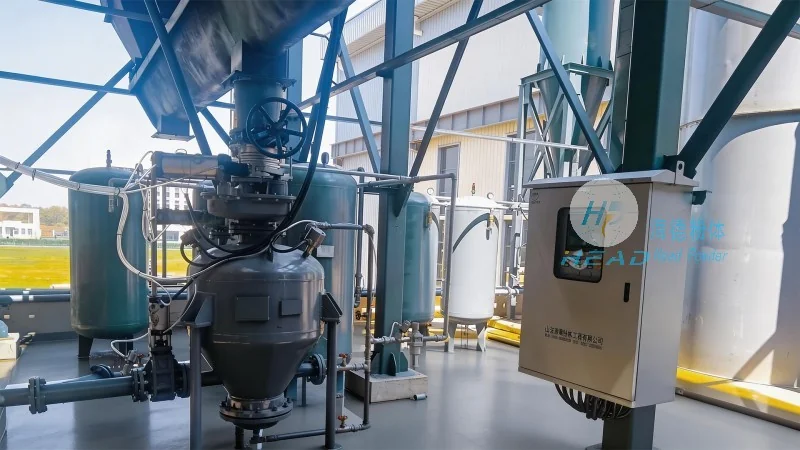
2. Feeder: The feeder is responsible for controlling the flow of material from the storage bin into the conveying line. It ensures a consistent and controlled feed rate, which is critical for maintaining stable pressure and preventing blockages in the system. Common types of feeders include rotary valves, star feeders, and screw feeders, each suited to different material characteristics and flow rates.
3. Air Compressor: The air compressor generates the compressed air or gas required to move the material through the conveying line. The pressure and flow rate of the air are adjustable to match the specific needs of the material being conveyed. High-pressure compressors are often used for long-distance or high-capacity applications, while low-pressure systems are suitable for shorter distances or lighter loads.
4. Conveying Line: The conveying line is a network of pipes that transports the material from the feeder to the receiver or processing unit. The line is typically made of stainless steel or other materials that can withstand the pressure and abrasiveness of the conveyed material. The design of the line, including the diameter and length, is critical for maintaining efficient flow and minimizing pressure drop.
5. Receiver (or Process Unit): The receiver is the final component of the system where the material is deposited after being conveyed. It may be a storage bin, a processing vessel, or a packaging machine, depending on the application. The receiver is designed to handle the material safely and efficiently, often with features such as a discharge valve or a level indicator.
Design Principles and Considerations for Pneumatic Conveying Systems
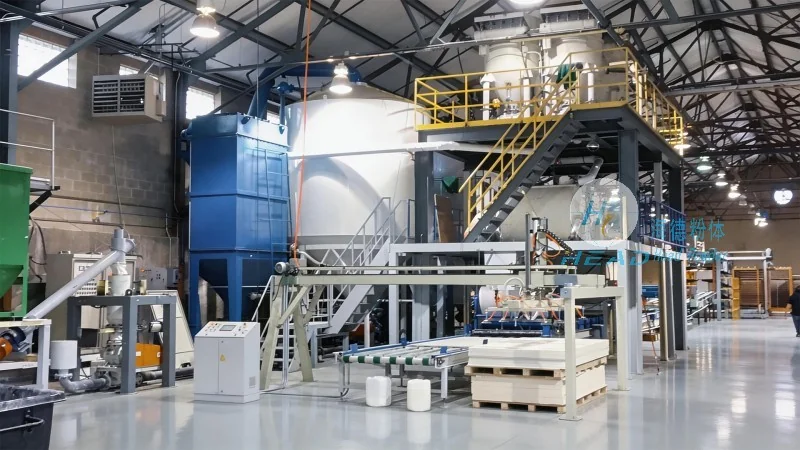
The design of a powder bin material pneumatic conveying system involves several key principles and considerations to ensure optimal performance and reliability. These include:
1. Material Characteristics: The properties of the material being conveyed, such as particle size, density, moisture content, and flowability, significantly impact the system design. For example, fine powders may require higher air velocities to prevent clogging, while larger particles may need lower velocities to avoid excessive wear on the system components.
2. Conveying Method: Pneumatic conveying systems can be classified into two main types: pressure and vacuum. Pressure systems use compressed air to push the material through the line, while vacuum systems use a vacuum to pull the material. The choice between the two depends on factors such as the distance between the storage bin and the receiver, the material's flowability, and the system's capacity requirements.
3. System Capacity and Flow Rate: The capacity of the system, measured in terms of material flow rate (e.g., tons per hour), is determined by the size of the feeder, the air compressor, and the conveying line. The flow rate must be sufficient to meet the operational demands of the process while maintaining stable pressure and preventing blockages.
4. Pressure Drop and Energy Efficiency: The pressure drop in the conveying line is a critical factor that affects the energy consumption of the system. It is influenced by the length of the line, the diameter of the pipes, and the material's properties. Designers aim to minimize pressure drop by optimizing the line design and using appropriate components to ensure energy efficiency and cost-effectiveness.
5. System Safety and Maintenance: Safety is a paramount consideration in the design of pneumatic conveying systems, especially when handling materials that may be hazardous or explosive. The system includes features such as pressure relief valves, explosion-proof components, and proper grounding to prevent accidents. Regular maintenance is also essential to ensure the system operates efficiently and reliably over time.
Applications and Benefits of Powder Bin Material Pneumatic Conveying Systems
Powder bin material pneumatic conveying systems are widely used in various industries due to their versatility and efficiency. Some common applications include:
1. Pharmaceutical Industry: In pharmaceutical manufacturing, pneumatic conveying is used to transport raw materials, such as powders and granules, to processing equipment. The system ensures a clean and hygienic environment, minimizing the risk of contamination and ensuring product quality.
2. Food Processing: The food industry utilizes pneumatic conveying to transport ingredients like flour, sugar, and spices. The system is designed to maintain food safety standards, with features such as stainless steel components and easy cleaning.
3. Chemical Industry: Chemical manufacturers use pneumatic conveying to handle a wide range of materials, from fine powders to granules. The system is robust and can handle abrasive and corrosive materials, ensuring long-term durability.
4. Mineral Processing: In mining and mineral processing, pneumatic conveying is used to transport raw materials from storage bins to processing plants. The system is efficient and can handle large volumes of material over long distances.
Overall, the benefits of using a powder bin material pneumatic conveying system include improved material handling efficiency, reduced labor costs, minimized product contamination, and enhanced safety. The system is also flexible and can be easily integrated into existing industrial processes, making it a popular choice for many applications.
Conclusion and Company Overview
Understanding the design principles and components of a powder bin material pneumatic conveying system is essential for optimizing material flow and ensuring operational efficiency in industrial settings. The system offers a reliable and flexible solution for transporting dry bulk materials, with applications spanning multiple industries. As a leading provider in this field, Shandong HeadPowder Engineering Co., Ltd. specializes in designing and manufacturing high-quality pneumatic conveying systems tailored to the specific needs of clients. With a focus on innovation, durability, and customer satisfaction, the company has established itself as a trusted partner in the industry, delivering solutions that enhance productivity and safety for its clients. Based in Shandong, China, HeadPowder Engineering Co., Ltd. leverages its expertise and experience to provide comprehensive material handling solutions that meet the evolving demands of modern industrial operations.