

High-Pressure Pulse Material Pneumatic Conveying System: What It Is and Its Design Principles
High-pressure pulse material pneumatic conveying systems represent a sophisticated approach to material handling, particularly for industries requiring efficient and reliable transport of bulk materials over long distances or within complex processing environments. This technology is engineered to address the challenges of transporting powders, granules, and other particulate materials with precision and control, ensuring minimal product degradation and optimal system performance.
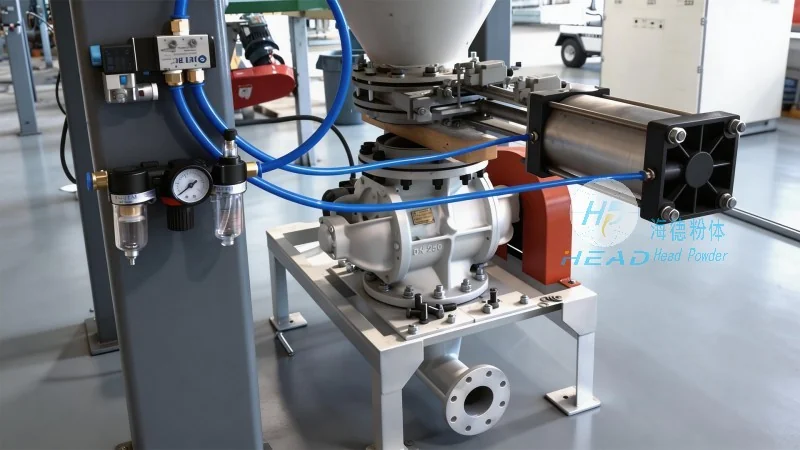
Understanding the Core Concept of High-Pressure Pulse Material Pneumatic Conveying
At its essence, a high-pressure pulse material pneumatic conveying system utilizes compressed air or other gases to transport solid materials through a pipeline network. Unlike traditional low-pressure systems, high-pressure variants operate at elevated pressures, typically ranging from 5 to 15 bar, which enables the efficient movement of materials even in the presence of long horizontal runs, vertical lifts, or complex system configurations. The system’s design is built around the principle of creating a high-velocity, high-pressure pulse that propels material particles through the conveying line, ensuring consistent flow and reduced risk of blockages or material degradation.
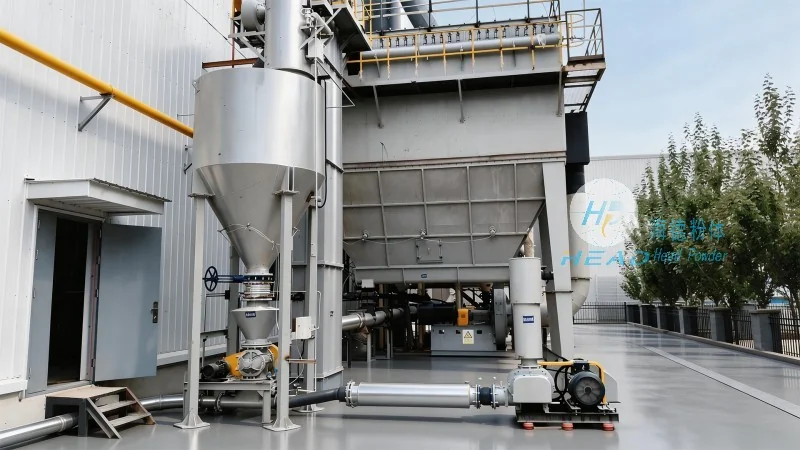
Key Design Principles Underpinning High-Pressure Pulse Systems
The design of a high-pressure pulse material pneumatic conveying system is guided by several critical principles that ensure optimal performance and reliability. One of the primary principles is the use of a high-pressure air source, which provides the necessary energy to overcome the resistance of the material and the pipeline. This is often achieved through the integration of a robust air compressor system, capable of maintaining consistent pressure levels throughout the conveying process. Additionally, the system incorporates a pulse control mechanism, which regulates the frequency and duration of the air pulses to maintain a steady flow of material. This control is essential for preventing material buildup and ensuring uniform delivery to the destination point.
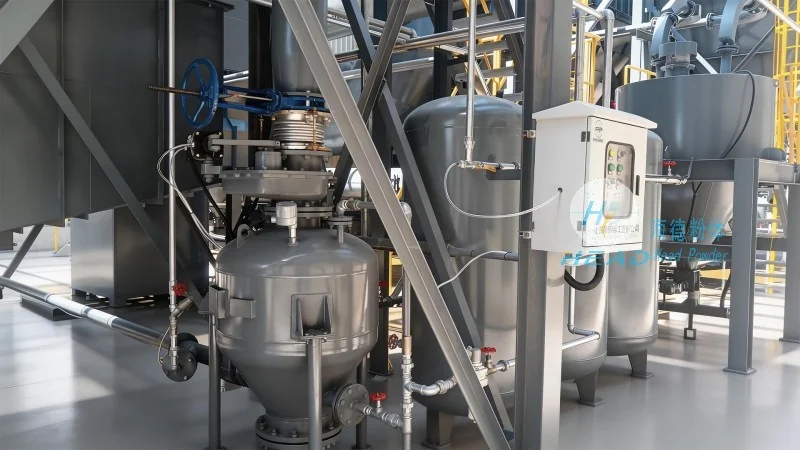
Components and Functional Architecture of the System
The high-pressure pulse material pneumatic conveying system comprises several key components, each playing a vital role in the overall operation. The primary components include a high-pressure air compressor, a pulse control valve, a material feeder, a conveying pipeline, and a receiver or discharge unit. The air compressor generates the high-pressure air, which is then directed through the pulse control valve to create the necessary pressure pulses. The material feeder, such as a rotary valve or a screw feeder, introduces the material into the pipeline at a controlled rate, ensuring that the material is mixed with the air in the correct proportion. The conveying pipeline, typically made of stainless steel or other corrosion-resistant materials, transports the material and air mixture to the receiver, where the material is separated from the air and collected. The receiver may include a dust collection system to ensure environmental compliance and material recovery.
Advantages and Applications in Industrial Settings
High-pressure pulse material pneumatic conveying systems offer numerous advantages over traditional material handling methods, making them ideal for a wide range of industrial applications. These systems provide superior control over material flow, allowing for precise dosing and delivery of materials, which is critical in processes such as pharmaceutical manufacturing, food processing, and chemical production. The high-pressure operation also enables the transport of materials over longer distances and through complex system layouts, reducing the need for multiple transfer points and minimizing the risk of material contamination. Furthermore, the system’s ability to handle a variety of materials, including abrasive or sensitive powders, makes it a versatile solution for diverse industrial needs. Companies like Shandong HeadPowder Engineering Co., Ltd., based in China, specialize in designing and manufacturing such systems, leveraging advanced engineering and manufacturing capabilities to deliver customized solutions tailored to specific industry requirements.
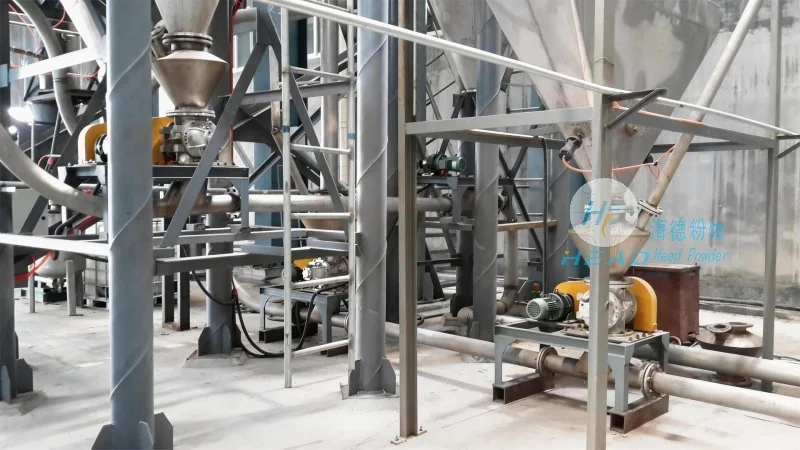
Design Considerations for Optimal System Performance
When designing a high-pressure pulse material pneumatic conveying system, several factors must be considered to ensure optimal performance and longevity. The selection of the appropriate air compressor capacity is crucial, as it must be capable of maintaining the required pressure levels while providing sufficient airflow to handle the material load. The pulse control system must be calibrated to match the material characteristics, such as particle size, density, and flowability, to ensure consistent operation. Additionally, the pipeline diameter and length must be carefully determined to minimize pressure drop and energy consumption. The use of corrosion-resistant materials for the pipeline and components is essential, especially when handling corrosive or abrasive materials, to prevent system degradation and ensure long-term reliability. Proper maintenance and monitoring of the system components, including regular inspection of the air compressor, pulse control valve, and material feeder, are also critical to maintaining system efficiency and preventing unexpected failures.