

Types and Practical Applications of Pneumatic Conveying Systems in Glucose Transport
HeadPowder Engineering, a leading provider in the field, specializes in advanced pneumatic conveying solutions tailored for the efficient transport of glucose. This article explores the different types of pneumatic conveying systems utilized in glucose handling and their practical applications, highlighting the technological advancements and operational benefits they offer.
Types of Pneumatic Conveying Systems
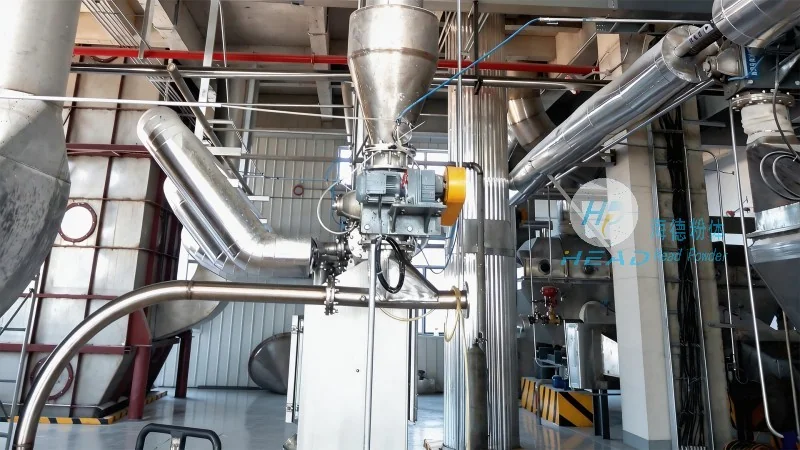
There are primarily two main categories of pneumatic conveying systems: dilute-phase and dense-phase. Dilute-phase systems operate by suspending the material in a high-velocity air stream, making them suitable for long-distance and high-capacity transport. Dense-phase systems, on the other hand, use lower air velocities and higher material concentrations, which is ideal for transporting sensitive materials like glucose with minimal degradation. Each type has its specific design considerations and operational parameters that influence their suitability for different glucose transport scenarios.
Dilute-Phase Pneumatic Conveying Systems
Dilute-phase systems are characterized by the material being suspended in a continuous air stream. These systems are commonly used in glucose transport due to their ability to handle large volumes over extended distances. The key components include a positive displacement blower or a high-pressure compressor, a hopper for material storage, and a pipeline system. The air velocity in dilute-phase systems is typically high, ensuring that the glucose particles remain suspended and are conveyed efficiently. This method is particularly effective for bulk transport from storage silos to processing facilities, where high throughput is required. However, it is important to note that dilute-phase systems may require more energy and may have higher material degradation risks if not properly controlled.
Dense-Phase Pneumatic Conveying Systems
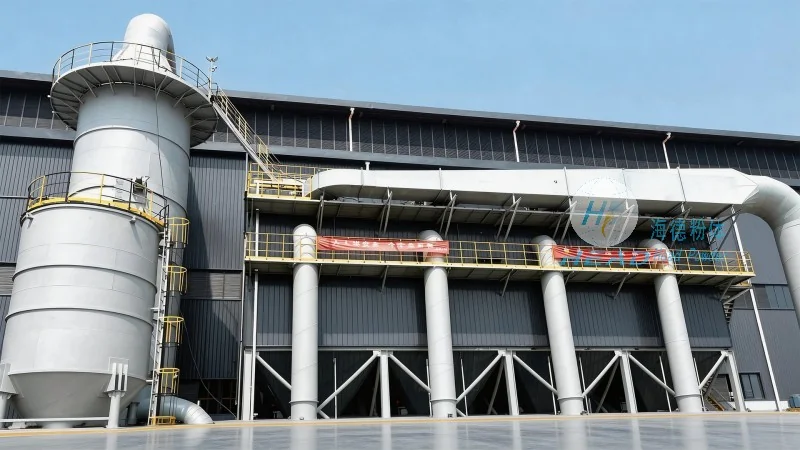
Dense-phase systems operate by compressing the material into a slurry or dense mixture with air, resulting in a lower air velocity and higher material concentration. This approach is advantageous for transporting glucose because it minimizes particle breakage and reduces the risk of caking or agglomeration, which can occur with dilute-phase systems. The system typically includes a pressure vessel, a pump or compressor, and a pipeline. The material is fed into the system under pressure, and the air is introduced to maintain the dense phase. Dense-phase conveying is often preferred for short to medium distances and for handling more delicate or high-value glucose products, as it provides a gentler transport environment.
Practical Applications in Glucose Transport
The practical applications of pneumatic conveying systems in glucose transport are diverse and critical to the efficiency of the entire supply chain. For instance, in large-scale glucose production facilities, dilute-phase systems are commonly used to transfer raw glucose from storage bins to processing units, ensuring a continuous and uninterrupted flow. This is crucial for maintaining production rates and reducing downtime. In contrast, dense-phase systems are often employed in the final stages of processing, such as transferring finished glucose products to packaging lines. The gentler handling provided by dense-phase systems helps preserve the quality and integrity of the final product, which is essential for meeting quality standards and customer expectations.
Operational Benefits and Considerations
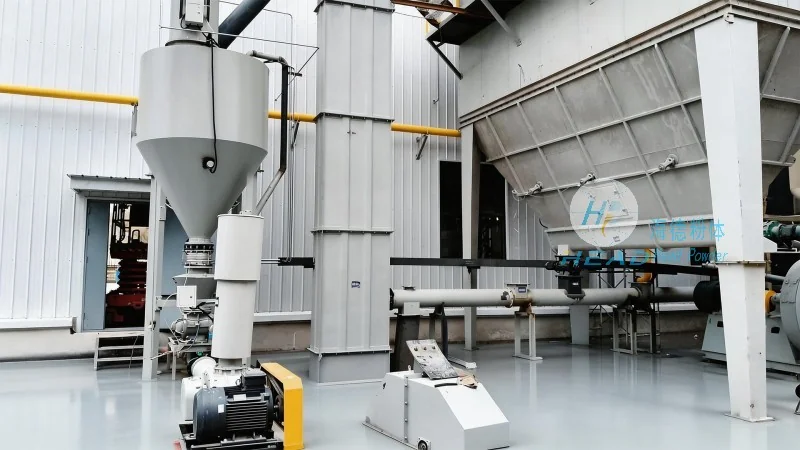
Both dilute-phase and dense-phase pneumatic conveying systems offer significant operational benefits for glucose transport. These include reduced labor costs due to automated material handling, improved safety by minimizing manual handling of bulk materials, and enhanced control over the transport process. However, there are also important considerations to keep in mind. For example, the choice between dilute-phase and dense-phase systems depends on factors such as the distance to be covered, the volume of material to be transported, the sensitivity of the glucose product, and the available infrastructure. Additionally, the energy consumption and maintenance requirements of each system must be evaluated to ensure cost-effectiveness and long-term operational efficiency.
Conclusion
HeadPowder Engineering Co., Ltd., based in Shandong, China, is at the forefront of providing customized pneumatic conveying solutions for glucose transport. By understanding the specific needs of glucose handling, such as material sensitivity and transport distances, the company designs and implements systems that optimize performance and reliability. Whether using dilute-phase or dense-phase technology, the goal is to ensure efficient, safe, and high-quality transport of glucose throughout the supply chain. With their expertise and commitment to innovation, HeadPowder Engineering continues to play a vital role in supporting the glucose industry's operational needs.